


1. Mahatma Gandhi's Sombre Fast
While Delhi erupted in celebration, the man known as the Father of the Nation was conspicuously absent. Mahatma Gandhi spent August 15, 1947, in Calcutta (now Kolkata), not celebrating, but fasting and praying for peace. Heartbroken by the violence of Partition,
he chose to be in a riot-torn area, working to heal the communal wounds dividing Hindus and Muslims. For him, the day was one of sorrow as much as joy, a stark contrast to the jubilant mood in the capital.
2. The Red Fort Tradition Began a Day Late
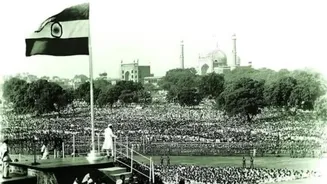
The annual tradition of the Prime Minister hoisting the national flag from the ramparts of the Red Fort is a centrepiece of modern Independence Day celebrations. However, this iconic event did not happen on August 15, 1947. The first flag hoisting at India Gate took place that evening, but Jawaharlal Nehru first raised the flag at the Red Fort on August 16, 1947, delivering his first address from there a day after independence was officially declared.
3. A Shehnai Greets the Dawn
The first voice to greet the new nation was not a politician’s, but a musician’s. At the personal invitation of Jawaharlal Nehru, Ustad Bismillah Khan performed from the Red Fort on the morning of August 15. He played Raag Kaafi on his shehnai, an instrument associated with auspicious beginnings. This symbolic musical welcome, broadcast by All India Radio, set a cultural and emotional tone for the historic day, though it is often overshadowed by the political ceremonies.
4. No Official National Anthem
Though Rabindranath Tagore's 'Jana Gana Mana' was sung during the celebrations, it was not yet India's official national anthem. The Constituent Assembly only adopted it as such on January 24, 1950. Similarly, 'Vande Mataram' was a powerful cry of the freedom struggle but did not have official status. On its very first day as a free nation, India celebrated without an officially designated anthem.
5. A Surprise Rainbow at India Gate
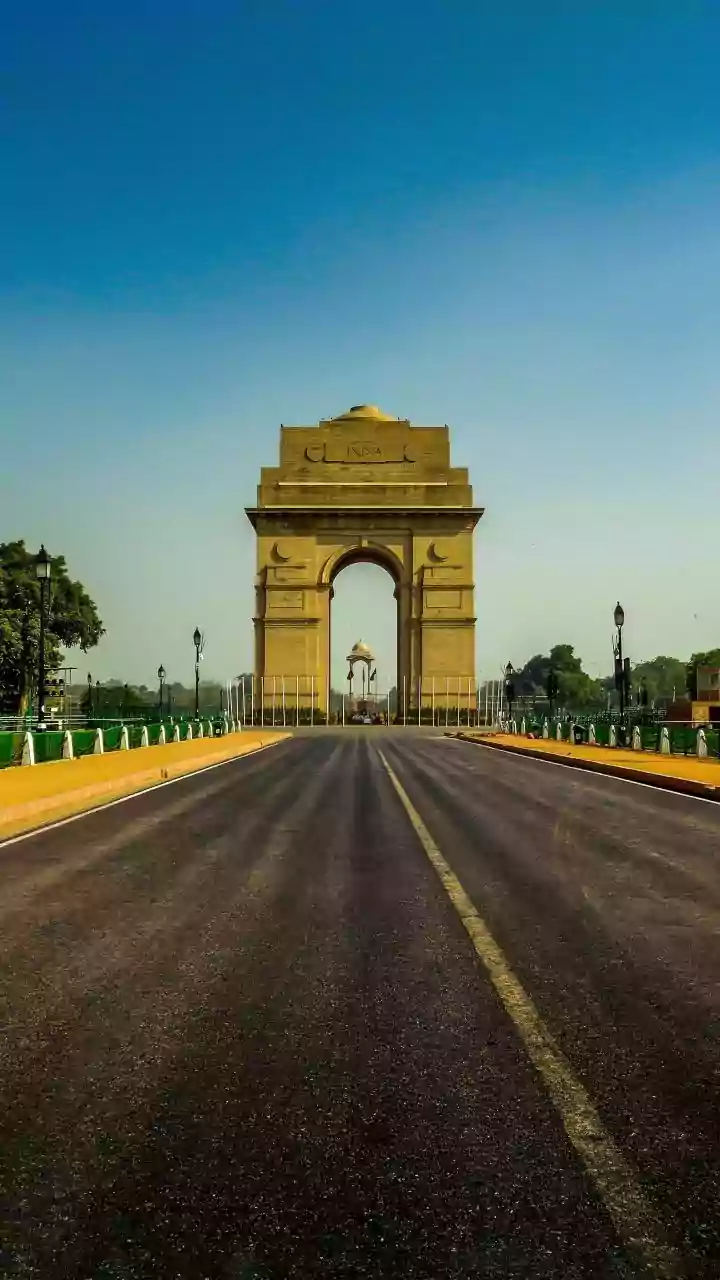
The first public flag salutation was held in the evening of August 15 at Princes Park, near India Gate. According to some accounts, as Prime Minister Nehru unfurled the tricolour against the sky, a rainbow suddenly appeared on the horizon. Witnesses reported that its colours seemed to mirror those of the new flag, a startling and beautiful coincidence that added to the magical atmosphere of the moment for the massive crowds that had gathered.
6. Cheers for the Last Viceroy
In a surprising turn of events, the last British Viceroy, Lord Mountbatten, was greeted with loud and enthusiastic cheers from the Indian crowds in Delhi. Cries of “Mountbatten Zindabad!” (Long live Mountbatten!) were heard as his carriage moved through the city. The outpouring of goodwill was so great that a planned ceremonial lowering of the Union Jack was quietly cancelled, as Nehru felt it might mar the happy atmosphere of the day.
7. The Boundary Lines Remained a Secret
Even as India celebrated its freedom, millions in Punjab and Bengal did not know which country they officially belonged to. The final report of the Boundary Commission, known as the Radcliffe Line, which demarcated the borders between India and Pakistan, was not made public until August 17, 1947. This meant that for two full days, people lived in a state of extreme uncertainty, celebrating independence while unsure of their national fate.
8. The First Stamps Came Months Later
Commemorative postage stamps are standard for major national events, but the turmoil of Partition delayed India’s first ones. The Indian Post and Telegraph Department was unable to issue a stamp on August 15. The first stamp of independent India, featuring the Ashoka Lion Capital, was released in December 1947, while the one depicting the national flag with the slogan 'Jai Hind' was issued on November 21, 1947.
9. Sri Aurobindo's Birthday Coincidence
For the revolutionary philosopher Sri Aurobindo, the date held a deeply personal significance. August 15 was his own birthday. When asked by All India Radio for a message, he noted the coincidence, viewing it not as an accident but as a “sanction and seal of the Divine Force” for his life's work toward India's freedom. His broadcast was aired on August 14, linking his spiritual vision to the nation's political birth.
10. The First Flag Hoisted... in Australia
History's footnotes are full of curiosities, and here is a prime example: the first official unfurling of the national flag of a free India didn't happen in Delhi. Due to the time difference, the ceremony took place hours earlier in Canberra, Australia. At 12:00 PM local time (7:30 AM in India), the Indian High Commissioner, Sir Raghunath Paranjpye, hoisted the tricolour at his residence, marking the first time it was officially raised to represent the newly independent nation.