



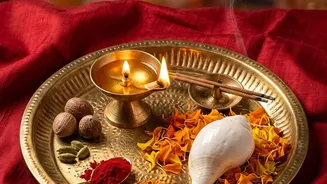
An Offering of Faith
First and foremost, Bhoger Khichuri is 'bhog'—a devotional food offering made to the goddess Durga before being distributed to devotees. This spiritual context is the primary source of its appeal and dictates how it is prepared. The khichuri is 'niramish'
or Sattvic, meaning it is cooked without onions or garlic. According to Ayurvedic principles, these ingredients are considered 'rajasic' and 'tamasic', believed to increase passion and agitation, making them unsuitable for food intended to promote spiritual clarity and peace. This restriction doesn't lead to a bland dish; instead, it allows other subtle, aromatic flavours to come to the forefront. The food is meant to nourish the soul as much as the body, creating a direct connection between the divine and the devotee.
The Soul of the Dish: Key Ingredients
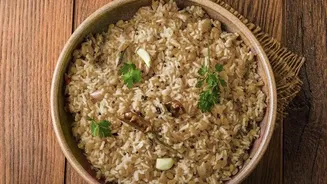
The magic of Bhoger Khichuri lies in its specific, high-quality ingredients. The star is Gobindobhog rice, an aromatic, short-grain variety from West Bengal. This rice is prized for its natural buttery flavour and sweet fragrance, which forms the dish's base character. It's paired with 'sona moong dal' (yellow lentils) that are dry-roasted before cooking. This crucial step imparts a deep, nutty aroma that is a signature of the dish. Together, the rice and dal create a creamy, comforting texture. The seasoning is also distinct, relying on ginger, cumin, bay leaves, cinnamon, cardamom, and a generous amount of ghee (clarified butter) to create a warm, fragrant, and deeply satisfying flavour profile.
The Community Cauldron
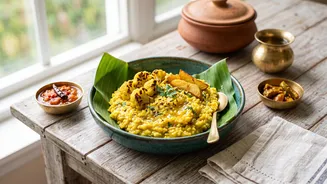
Beyond its ingredients, the appeal of Bhoger Khichuri is deeply tied to the community. During Durga Puja, it is cooked in enormous cauldrons, or 'degs', at the pandals (temporary structures housing the idols). The preparation is a collective effort, with volunteers working together to chop vegetables, stir the pot, and serve the thousands of devotees who line up. This act of community cooking and sharing transforms the meal from a simple dish into a powerful symbol of fellowship and celebration. The experience of eating hot khichuri from a 'shalpata' (sal leaf) plate, surrounded by the festive crowd, is a core memory for many who celebrate Durga Puja.
A Symphony of Flavours and Textures
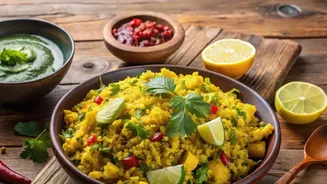
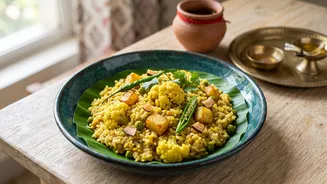
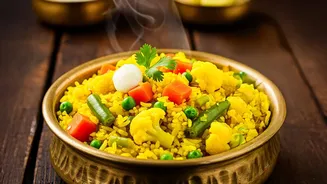
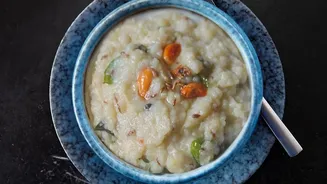
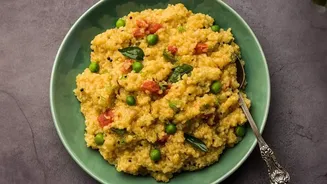
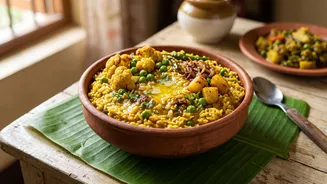
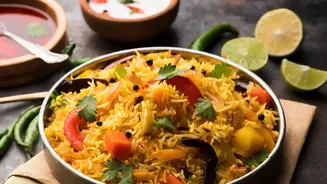
While deceptively simple, Bhoger Khichuri is a complex interplay of tastes and textures. The Gobindobhog rice and moong dal meld into a rich, porridge-like consistency, punctuated by chunks of seasonal vegetables like potatoes, cauliflower, and green peas. A hint of sugar is often added to balance the savoury and spicy notes, a hallmark of Bengali cuisine. The final flourish is a generous drizzle of ghee, which adds richness and carries the aroma of the spices. It’s not meant to be a light meal; it’s a hearty, indulgent preparation designed to be satisfying. This balance of sweet, savoury, and aromatic elements makes every spoonful a delight.
The Perfect Companions
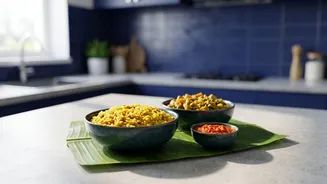
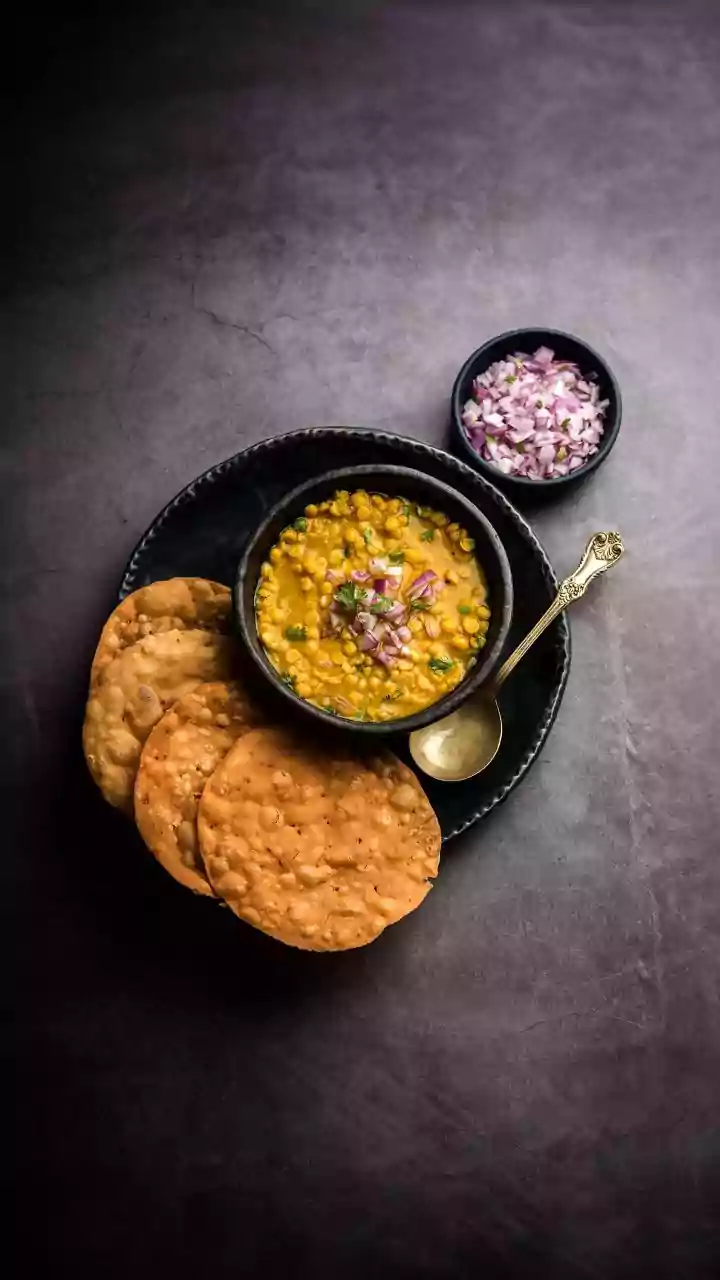
No Bhoger Khichuri experience is complete without its traditional accompaniments. The khichuri is almost always served with 'labra', a semi-dry mixed vegetable curry that is sweet, spicy, and tangy. Another classic pairing is 'beguni' (thin slices of eggplant dipped in batter and deep-fried) or other types of 'bhaja' (fritters). A sweet and tangy tomato chutney often completes the platter, its acidity cutting through the richness of the khichuri and fried sides. Together, this combination creates a perfectly balanced and unforgettable festive meal, where each component enhances the others.