





The Hidden Risks in Your Indoor Garden
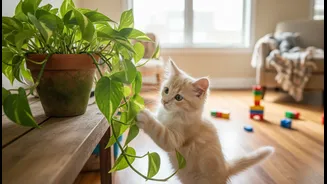
The joy of a thriving indoor garden can quickly turn to panic if a child or pet ingests part of a toxic plant. The danger lies in various compounds that can cause reactions ranging from mild discomfort to severe illness. For many popular houseplants,
the leaves and stems contain tiny, needle-like calcium oxalate crystals. When chewed, these crystals can cause immediate pain, irritation, swelling of the mouth and throat, drooling, and vomiting. Other plants contain more systemic toxins that, when absorbed, can affect the heart, kidneys, or nervous system, with symptoms sometimes appearing hours or even days after ingestion. Because children and pets have smaller bodies, they are far more susceptible to poisoning from ingesting a smaller amount of a toxic plant.
Common Culprits: Popular Yet Perilous Plants
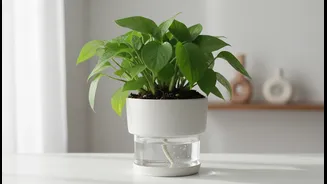
Many of the most common and easy-to-care-for houseplants available in India are unfortunately toxic. Philodendrons and Pothos (Money Plant), loved for their trailing vines, contain calcium oxalate crystals. Similarly, Dieffenbachia (Dumb Cane), Peace Lilies, and Snake Plants can cause painful oral irritation and gastrointestinal upset if chewed. The Sago Palm, a popular and attractive plant, is extremely dangerous, with all parts being highly toxic, especially to dogs; ingestion can lead to severe liver damage and can be fatal. Lilies are particularly toxic to cats, with even small amounts potentially causing kidney failure. Other common plants to be cautious with include English Ivy, Aloe Vera, and Jade Plants.
Recognising the Signs of Poisoning
Knowing what to look for is the first step in a quick response. In pets, common signs of plant poisoning include excessive drooling, vomiting, diarrhea, lethargy, and loss of appetite. More severe symptoms can include difficulty breathing, seizures, or muscle tremors. In children, symptoms may include skin rashes or irritation around the mouth, stomach pain, or vomiting after potential contact with a plant. If you see your pet or child eat any part of a plant, or if they exhibit these symptoms, it's crucial to act fast. Identify the plant if possible, but do not delay in seeking professional help. Contacting a veterinarian or a poison control centre can provide immediate, life-saving advice.
Smart Placement and Prevention Strategies
You don't have to give up on your love for plants. The simplest solution is to place any potentially toxic plants completely out of reach. Think high shelves, the tops of bookcases, or using macramé-style hanging planters. For floor plants, you can create a physical barrier. Some people find success by covering the soil with burlap, decorative stones, or even tin foil to deter pets from digging or using the pot as a litter box. You can also make plants less appealing by spraying the leaves with a diluted, pet-safe repellent like a citrus solution, as many cats dislike the smell. Ultimately, creating plant-free zones where children and pets play most often can be a simple and effective strategy.
A Guide to Safe and Beautiful Alternatives
The best strategy for a worry-free green home is to choose non-toxic plants from the start. Thankfully, there are many beautiful and safe options available. The Spider Plant and Boston Fern are classic, easy-to-grow choices that are perfectly safe for all members of the family. For those who love unique foliage, the Prayer Plant and Rattlesnake Plant offer stunning patterns and are non-toxic. African Violets offer a splash of colour with their fuzzy leaves and bright flowers and are considered kid-friendly. Other great options include a variety of Peperomia, the Bird's Nest Fern, and many orchids, allowing you to fill your home with greenery without the risk.