



Why Core Stability Matters
Before we dive into the exercises, let's talk about why a strong core is so important. Your core isn't just about six-pack abs; it's a complex system of muscles that stabilizes your spine and pelvis. A strong core is the foundation for almost every movement
you make, from everyday tasks like carrying groceries and climbing stairs to more athletic pursuits. Building core stability can dramatically improve your balance and posture, reduce the risk of back injuries, and enhance your overall functional fitness. Think of it as the central link connecting your upper and lower body, ensuring everything works together efficiently.
The Foundation: Forearm Plank
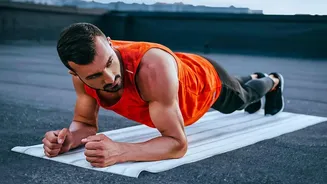
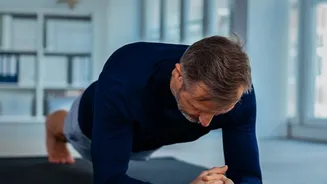
This is the classic starting point and a fantastic exercise for targeting the deep core muscles. Because your forearms are on the ground, it provides more stability and is often easier on the wrists than a high plank, making it ideal for beginners. To get started, lie on your stomach and place your forearms on the floor with your elbows directly under your shoulders. Lift your hips so your body forms a straight line from your head to your heels. Engage your abs and squeeze your glutes. Avoid letting your hips sag or pushing your butt too high in the air. Look at the floor a few inches in front of you to keep your neck in a neutral position. Start by holding for 15-30 seconds, focusing on perfect form.
Level Up: High Plank (Straight-Arm)
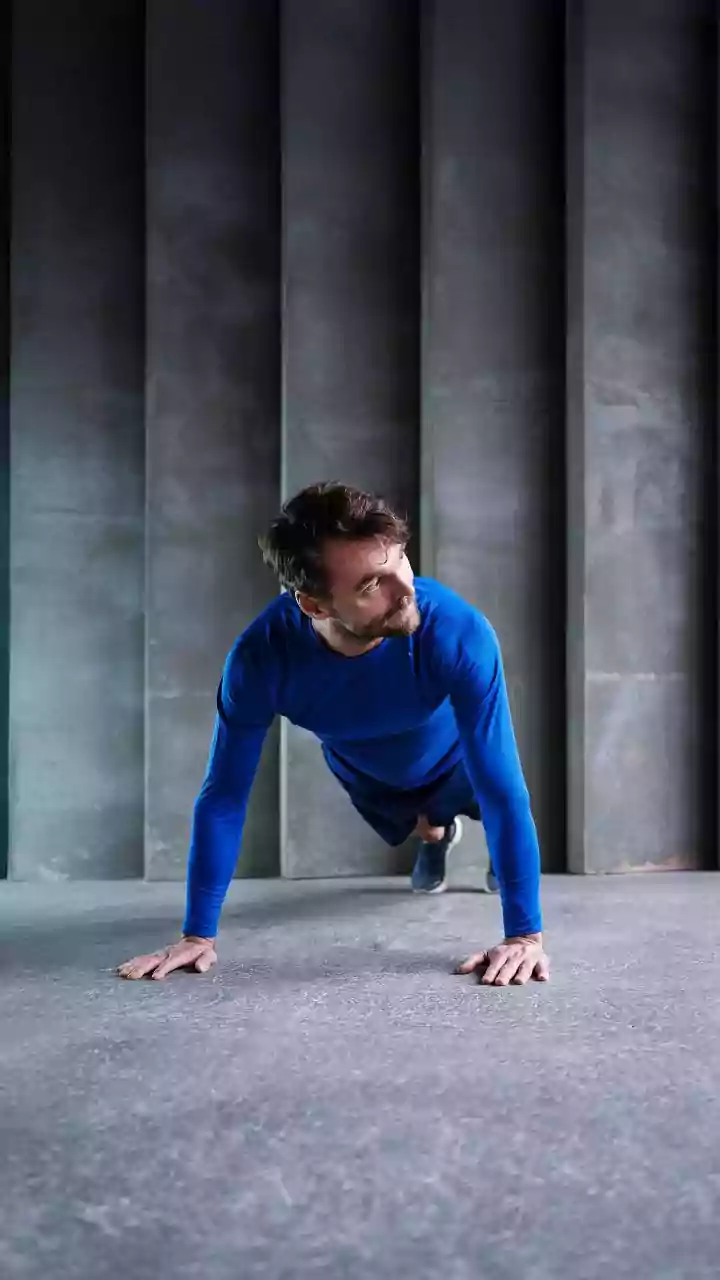
Once you're comfortable with the forearm plank, you can progress to the high plank. This variation looks like the top of a push-up and brings more of your upper body into the action, engaging the shoulders, chest, and arms. Begin on all fours with your hands directly under your shoulders. Extend your legs back one at a time, balancing on your toes. Your body should form that same straight line from head to heels. Common mistakes include arching the back or letting your hips dip, which can happen if your core isn't fully engaged. The high plank is a great foundation for other exercises like push-ups and mountain climbers.
Target Your Sides: Side Plank
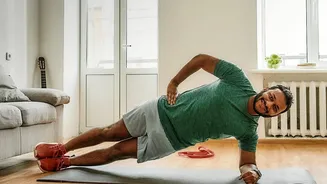
Many people focus only on the front of their abs, but the muscles along your sides, called the obliques, are crucial for rotational strength and protecting your spine. The side plank is one of the best exercises to target them. To perform a basic side plank, lie on your side and prop yourself up on one forearm, with the elbow directly beneath your shoulder. Stack your feet on top of each other and lift your hips off the floor until your body is in a straight line. You should feel the muscles on the underside of your torso working hard. This move strengthens your obliques, glutes, and shoulders all at once and improves your balance. If a full side plank is too challenging, start by keeping your bottom knee on the floor for support.
Don't Forget the Back: Reverse Plank
To build truly 'bulletproof' stability, you need to work the entire core, including the back of your body. The reverse plank is an often-overlooked but highly effective exercise for strengthening the posterior chain—your glutes, hamstrings, and lower back. Start by sitting on the floor with your legs extended in front of you. Place your hands on the floor slightly behind your hips. Lift your hips toward the ceiling, pressing through your hands and heels, until your body forms a straight line from your shoulders to your ankles. Squeeze your glutes and keep your core tight to prevent your hips from dropping. This move helps improve posture by counteracting the effects of sitting for long periods.