





Rethinking the Old Protein Playbook
The long-standing Recommended Dietary Allowance (RDA) of 0.8 grams of protein per kilogram of body weight was established as a baseline to prevent deficiency in the average, healthy adult. For a 68-kilogram individual, this amounts to about 54 grams of protein daily.
While this figure has been a nutritional touchstone for decades, emerging science increasingly frames it as a minimum for sedentary individuals, rather than an optimal target for the diverse needs of the entire population. Many experts now argue that this guideline doesn't adequately account for the demands of an active lifestyle or the unique physiological changes that occur with aging, leading many to unknowingly under-consume this vital macronutrient.
What the Latest Science Reveals
A comprehensive review of over 350 studies, published in July 2026, has brought this conversation into sharp focus. The findings challenge the pervasive “more is always better” message surrounding protein. For the large portion of the population that is relatively sedentary, researchers suggest that consuming protein far in excess of what's needed may have negative health consequences, potentially activating pathways linked to age-related diseases. This doesn’t mean protein is bad; rather, it highlights that the benefits are highly dependent on context. The review strongly affirms that for other groups, such as athletes and older adults, higher protein intake is not just beneficial, but essential.
Fuelling an Active Lifestyle
For those who are physically active, the 0.8 g/kg guideline is simply not enough. Exercise, whether it's endurance running or strength training, creates a demand for amino acids to repair and build muscle tissue. The scientific consensus supports a significantly higher intake for active individuals. General recommendations for most people who exercise regularly fall between 1.2 and 2.0 g/kg of body weight. This range can be further personalized: endurance athletes often thrive on 1.2 to 1.8 g/kg to support recovery, while strength and power athletes may need 1.6 to 2.2 g/kg to maximize muscle growth and strength gains. This increased intake helps improve performance, reduce fatigue, and ensure the body can adapt effectively to training.
The Priority for Older Adults
Aging brings a critical shift in protein needs due to a condition called sarcopenia—the progressive loss of muscle mass and strength. This decline can lead to frailty, a higher risk of falls, and a loss of independence. To combat this, a strong body of evidence recommends that healthy adults over 65 increase their protein intake to a range of 1.0 to 1.2 g/kg daily. Those with chronic illnesses may need even more, up to 1.5 g/kg. This is partly due to "anabolic resistance," a phenomenon where the aging body becomes less efficient at using protein to build muscle, meaning more is needed to get the same effect. Combining this higher protein intake with resistance exercise is considered a powerful strategy for maintaining strength and vitality in later years.
Beyond Grams: Quality and Timing Matter
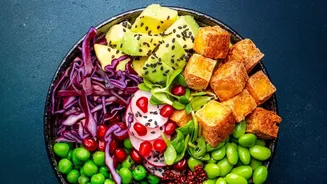
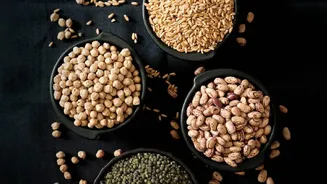
Simply hitting a daily gram count is only part of the story. How and when you consume protein can significantly impact its effectiveness. Research suggests that spreading protein intake evenly throughout the day is more effective for muscle synthesis than consuming the majority in one large meal. Aiming for 20-30 grams of high-quality protein with each meal is a practical and effective strategy. This approach is beneficial for everyone, from athletes looking to optimize recovery to older adults seeking to preserve muscle. Furthermore, the source matters. While animal products like meat, eggs, and dairy are complete proteins, a well-planned vegetarian or vegan diet incorporating sources like lentils, chickpeas, tofu, and quinoa can also effectively meet protein needs, making it a relevant consideration for diverse Indian dietary patterns.