






The Progenitors of Indian Avocado
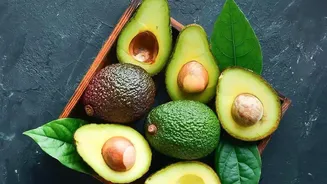
The history of avocados in India is not one of ancient cultivation but of modern introduction. The fruit was first brought to the country in the early 20th century, with American missionaries and other enthusiasts planting seedlings from Sri Lanka and elsewhere.
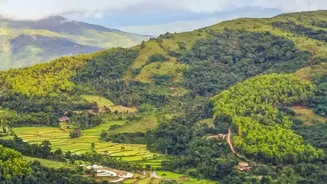
These early trees were planted in climatically suitable pockets like the hill stations of southern India—including Coorg, Kodaikanal, and parts of Kerala and Tamil Nadu—and in the eastern Himalayan state of Sikkim. Many of these early plantings were in mission compounds or botanical gardens, intended more as botanical curiosities than commercial crops. For decades, the fruit, often called 'butter fruit' in local parlance, remained a niche item, grown in homesteads for family consumption. It is in these regions, particularly Sikkim, that some of India's oldest living avocado trees can be found, successfully growing at altitudes between 800 and 1,600 metres.
From 'Dog Fruit' to Superfood
For a long time, the avocado struggled to find its place in the Indian palate, which often prefers sweet fruits. In some parts of Kerala, fallen avocados were once dismissively called “dog fruit” because dogs would eat them off the ground. However, a dramatic shift has occurred over the last decade. A surge in health consciousness, exposure to global cuisines, and the rise of urban food culture have transformed the avocado's image from an obscure novelty to a sought-after superfood. Demand has been growing by 25-30% annually in recent years, driven primarily by millennials and Gen Z consumers in major cities like Mumbai, Delhi, and Bangalore. This rising demand, visible in everything from cafe menus to grocery delivery apps, has created a significant opportunity for both importers and local farmers.
India's Emerging Avocado Belts
While imports, mainly from Tanzania, Peru, and Kenya, still dominate the market, domestic cultivation is rapidly gaining momentum. The traditional avocado-growing regions in the south remain central, with Karnataka, Tamil Nadu, and Kerala leading production. Farmers in these areas, particularly in coffee-growing regions like Coorg and Chikkamagaluru, are increasingly intercropping avocados with their traditional crops to diversify income and hedge against climate unpredictability. Beyond the south, cultivation is expanding in Maharashtra and the northeastern states, especially Sikkim, which has long proven its suitability for certain varieties. New research and private sector initiatives are pushing the boundaries, with trials even showing success for the popular Hass variety in places like Hyderabad under the right conditions.
The Hurdles to Hass and Beyond
Despite the boom, Indian avocado farmers face several challenges. One of the biggest is the dominance of the imported Hass variety, which is preferred in the premium market for its creamy texture and thick skin but is challenging to grow in many parts of India. Most local production currently consists of green-skinned varieties grown from seedlings, which leads to inconsistency in quality and yield. Avocados are also sensitive to soil conditions, requiring well-drained soil and intolerance for waterlogging or frost, which limits viable cultivation areas. Furthermore, the trees have a long gestation period, meaning farmers must wait several years for a return on their investment. Developing a consistent supply of high-quality, locally grown avocados that can compete with imports remains a key focus for the industry.
The Future is Green Gold
The future of avocado cultivation in India looks promising. Experts predict that within the next decade, India could transition from being a import-dependent consumer to a significant producer. Government bodies and research institutes are actively supporting this shift by releasing new high-yielding varieties like 'Arka Supreme' and providing subsidies for nurseries and infrastructure. As farmers gain more expertise and adopt better planting materials and practices, the quality and quantity of Indian avocados are set to improve. With domestic consumption projected to rise significantly, the push to grow this 'green gold' locally is not just about meeting demand but also about creating a lucrative new chapter for Indian agriculture.