

A Second Look at Life’s Building Blocks
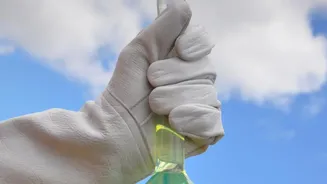
The latest buzz comes from a laboratory, not a telescope. In a study published in early September 2026, scientists at the Massachusetts Institute of Technology (MIT) made a surprising discovery. They found that peptides—short chains of amino acids, which
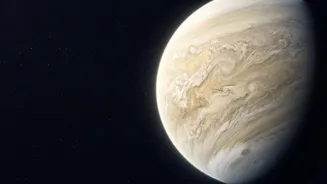
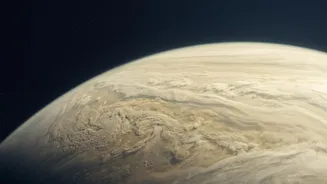
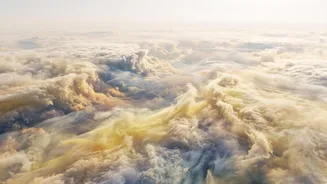
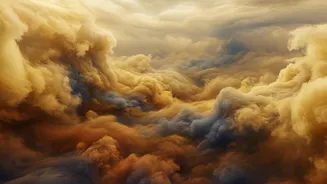
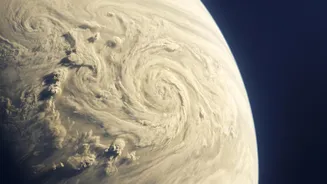
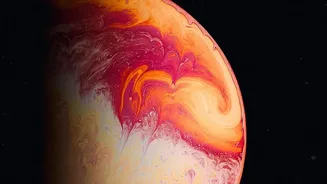
are the fundamental building blocks of proteins—can survive and even maintain their structure in highly concentrated sulfuric acid. This is significant because Venus’s clouds are composed primarily of this exact substance, an environment long thought to be utterly destructive to the molecules necessary for life. The MIT experiments showed that these peptides could fold into stable, three-dimensional shapes, a critical property for them to perform biological functions. This finding doesn’t prove life exists on Venus, but it challenges the long-held assumption that the planet's toxic clouds are a chemical dead end. It suggests the basic ingredients for life could persist where we least expect them.
The Lingering Mystery of Phosphine
This new lab research builds on a mystery that began in 2020 with the potential detection of phosphine gas in Venus's atmosphere. On Earth, phosphine is overwhelmingly associated with biological processes, produced by microbes in oxygen-free environments. The initial claim was controversial and heavily debated, with some follow-up studies failing to find the gas. However, subsequent observations have repeatedly recovered the signal, suggesting it might be real, though its concentration and origin remain fiercely contested. Some researchers propose the phosphine levels fluctuate, perhaps being destroyed by sunlight during the Venusian day. While no non-biological process has been shown to produce the amount of phosphine initially claimed, the scientific community remains divided. The ongoing debate keeps the phosphine question alive, fueling the search for other chemical clues.
Redefining the Search for Life
Together, the lab results on peptides and the persistent phosphine signal are forcing a shift in astrobiology. For decades, the search for extraterrestrial life has focused on finding Earth-like worlds with liquid water. The new Venus research suggests we may need to broaden our horizons. Scientists are now considering that life's chemistry could operate in alien environments, like the sulfuric acid droplets in Venus’s clouds. The key insight from the MIT study was that the near-total absence of water in the concentrated acid actually protects peptide bonds from breaking down. This turns our Earth-centric view on its head: a substance (water) essential for life here could be a destructive agent elsewhere, and its absence could allow life’s building blocks to survive in what we consider a hostile solvent. This forces us to ask: what other 'habitable' environments have we overlooked simply because they don't look like Earth?
A New Era of Venus Exploration
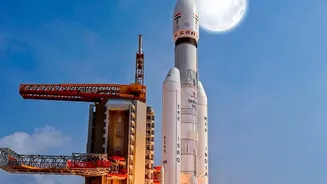
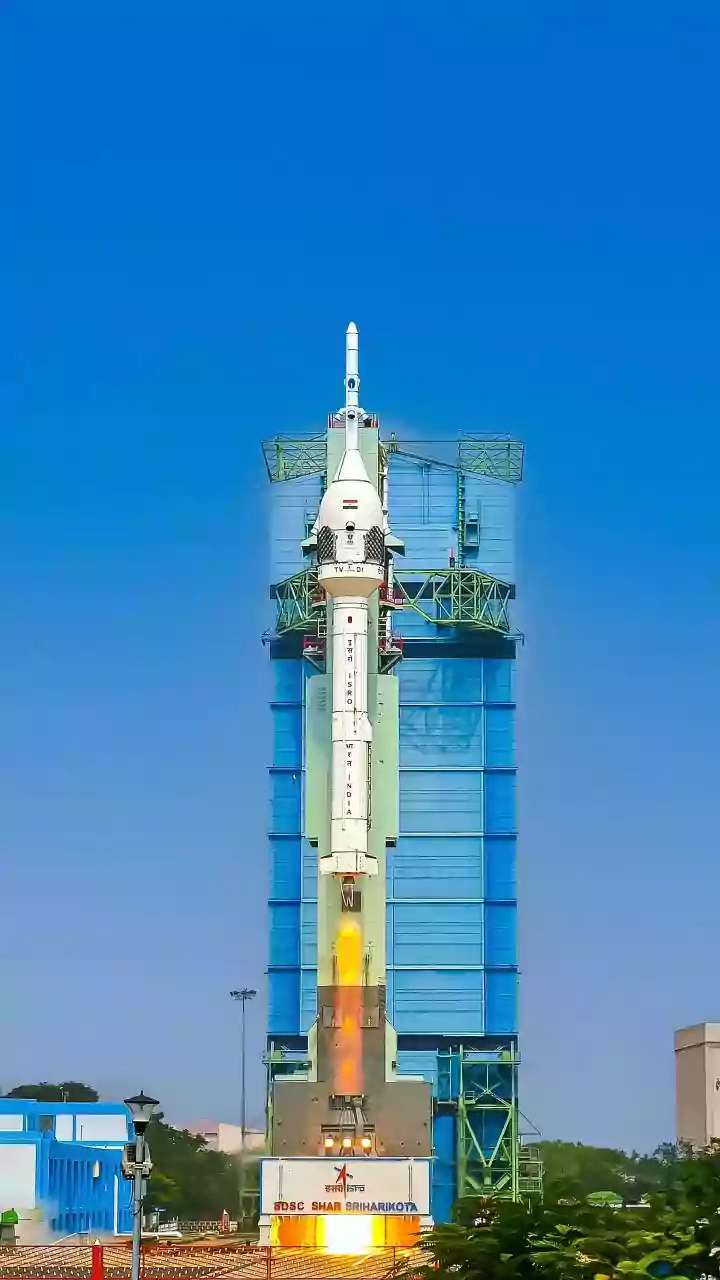
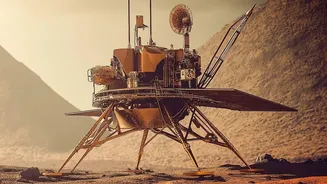
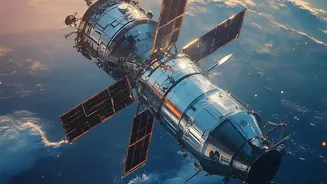
The renewed focus on Venus isn't just theoretical; it’s backed by a new fleet of missions. After decades of relative neglect, several space agencies are turning their attention back to our planetary neighbour. NASA has two major missions planned, DAVINCI and VERITAS, scheduled to launch around the end of the decade to study the planet’s atmosphere and geology in unprecedented detail. The European Space Agency's EnVision mission is also slated for the 2030s. Even the private sector is getting involved. Rocket Lab is partnering with MIT on the Venus Life Finder mission, which could launch as early as 2026 to send a small probe directly into the clouds to search for organic molecules. India's ISRO is also planning its own mission, Shukrayaan, for later this decade. This flurry of activity ensures that the questions raised by recent findings won't remain unanswered for long.