
The Science of the Season
The period from late spring to early autumn is not just popular by chance; it's dictated by alpine weather science. This window generally offers the most stable and favourable conditions for aerial activities. The weather is milder and clearer, with longer
daylight hours that extend the potential for exploration. While winter flights offer stark, beautiful views of snow-covered peaks, the summer months provide greater predictability and comfort. Mornings are particularly prized for their clear, calm air before the day's heat begins to build, which can create turbulence and afternoon thunderstorms. This meteorological sweet spot is crucial for both safety and the sheer enjoyment of the panoramic vistas.
A Landscape in Bloom
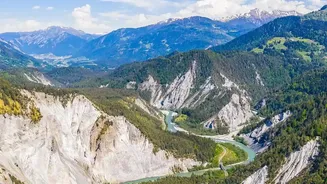
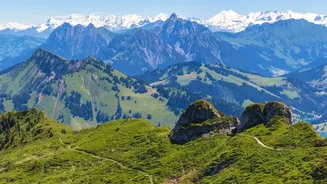
Beyond the stable weather, the May to September period brings a breathtaking visual transformation to the Alps. The winter snows melt away, revealing lush, green valleys and vibrant alpine meadows bursting with wildflowers. This explosion of colour provides a stunning contrast to the lingering snow on the highest peaks and the deep blue of the mountain lakes. From a helicopter or the harness of a paraglider, the landscape becomes a living tapestry of greens, whites, and blues. This is the Alps in its most lively and verdant state, offering a completely different, and arguably more dynamic, visual feast than the monochrome beauty of winter.
Helicopter Tours: The Ultimate Panorama
For those seeking comfort and a guaranteed front-row seat to the Alps' greatest hits, helicopter tours are an unparalleled option. Available year-round but best enjoyed in summer, these flights offer a unique perspective on iconic peaks like the Matterhorn, Eiger, Mönch, and Jungfrau. Operators across Switzerland, France, and Italy provide a range of tours, from short 15-minute scenic flights over glaciers to longer excursions that circle the highest summits. The summer season ensures clearer views and the ability to fly closer to dramatic ice falls and deep crevasses, making for unforgettable photographic opportunities and a true appreciation of the mountains' scale.
Paragliding: Riding the Summer Air
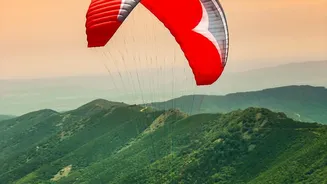
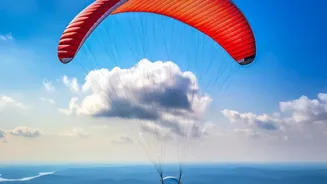
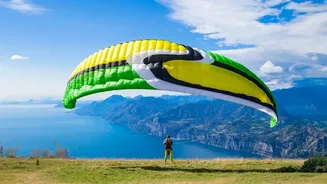
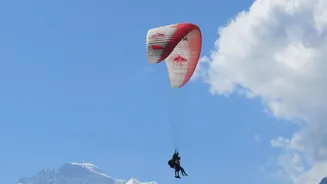
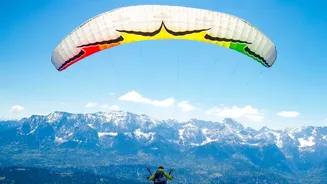
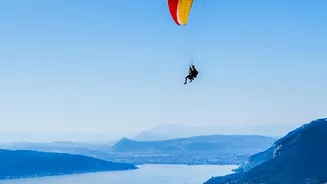
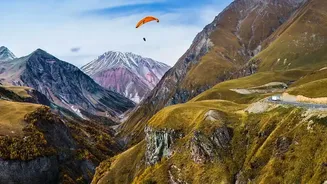
For the more adventurous, the summer months are the prime season for paragliding and hang gliding. This is when the sun's warmth creates strong thermal updrafts—rising columns of warm air—that allow pilots to gain altitude and stay aloft for extended periods. The thermal season generally runs from late April through September, with conditions peaking between June and August. These months offer the highest cloud bases and longest days, ideal for cross-country flights over stunning landscapes. Popular hubs like Interlaken in Switzerland and Chamonix in France become hives of activity as thrill-seekers take to the skies for a silent, bird-like flight above the valleys.
Hot Air Ballooning: A Serene Ascent
While many associate hot air ballooning with winter festivals, when the cold air provides better lift, summer offers its own unique magic. Summer balloon flights typically happen in the very early morning or just before sunset, when the winds are at their calmest and the light is soft and golden. This gentle, floating experience provides a peaceful and profoundly beautiful way to see the mountains. Gliding silently at 2,000 to 3,000 meters, you can appreciate the vastness of the landscape in quiet contemplation. It’s a less adrenaline-fueled but no less memorable way to experience the Alps from a divine perspective.