

The Underrated Breakfast Hero
Despite its name, buckwheat is not related to wheat at all. It's a gluten-free seed from a flowering plant, making it a fantastic option for those with gluten sensitivities. Often considered a superfood, buckwheat is packed with nutrients. It's a great
source of high-quality plant protein, dietary fiber, and essential minerals like magnesium and copper. This impressive nutritional profile contributes to better digestion, heart health, and can help you feel full and satisfied for longer. You'll find it in two main forms: raw buckwheat groats, which are milder in flavour, and toasted groats, known as kasha, which have a much richer, nuttier taste. Both are wonderful, but kasha lends a particularly delicious, earthy depth to breakfast dishes.
A Warm and Comforting Porridge
One of the simplest and most rewarding ways to enjoy buckwheat is as a warm breakfast porridge. Cooking buckwheat groats is as easy as cooking rice. For a basic porridge, you'll generally use a ratio of one part buckwheat to two parts liquid. Simply bring water or your milk of choice to a boil in a saucepan, add the rinsed buckwheat groats, reduce the heat, and simmer. For a creamier, softer texture perfect for porridge, let it cook for about 15-20 minutes until the grains are tender and have absorbed most of the liquid. You can toast raw groats in a dry pan for a few minutes before cooking to unlock that nutty kasha flavour at home.
Perfectly Paired with Peaches
The earthy notes of buckwheat are a perfect match for the bright sweetness of peaches. While the porridge simmers, you can prepare the fruit. For an extra layer of flavour, gently sauté sliced fresh or frozen peaches in a separate pan with a touch of coconut oil or butter. A sprinkle of cinnamon and a drizzle of maple syrup or honey will caramelise the peaches slightly, creating a warm, jammy topping that beautifully complements the hearty porridge. Once the buckwheat is cooked to your desired consistency, simply spoon it into a bowl and top generously with the warm peaches. For added texture, consider a sprinkle of nuts or seeds.
Flipping for Buckwheat Pancakes
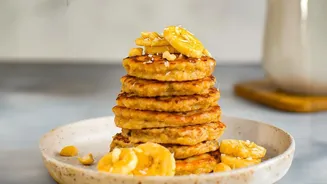
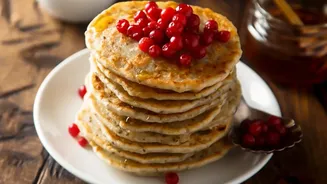
Buckwheat's versatility extends beyond porridge. In its flour form, it creates pancakes with a wonderfully complex, nutty flavour and a tender, slightly heartier texture than those made with plain flour. Buckwheat flour is naturally gluten-free, which is a bonus for many, but its delicious taste is the main attraction. When combined with buttermilk, eggs, and a leavening agent like baking powder, buckwheat flour produces a batter that cooks up into surprisingly light and fluffy pancakes. It's a simple swap that elevates a breakfast classic into something more memorable and nutritious.
A Simple Pancake Recipe
To make your own buckwheat pancakes, start by whisking together one cup of buckwheat flour, a teaspoon of baking powder, a pinch of salt, and a tablespoon of sugar in a bowl. In a separate bowl, whisk one large egg, one cup of buttermilk or milk of your choice, and a splash of vanilla extract. Pour the wet ingredients into the dry and stir until just combined; a few lumps are perfectly fine. Let the batter rest for about five minutes. Heat a lightly oiled griddle or non-stick pan over medium heat and pour the batter to form pancakes. Cook for a few minutes per side, until golden brown and bubbly. Serve them warm, topped with butter, maple syrup, and of course, more of those delicious sautéed peaches.