


The Post-Monsoon Agricultural Rush
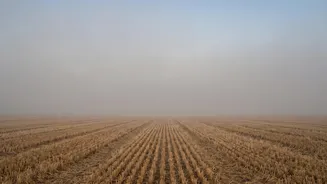
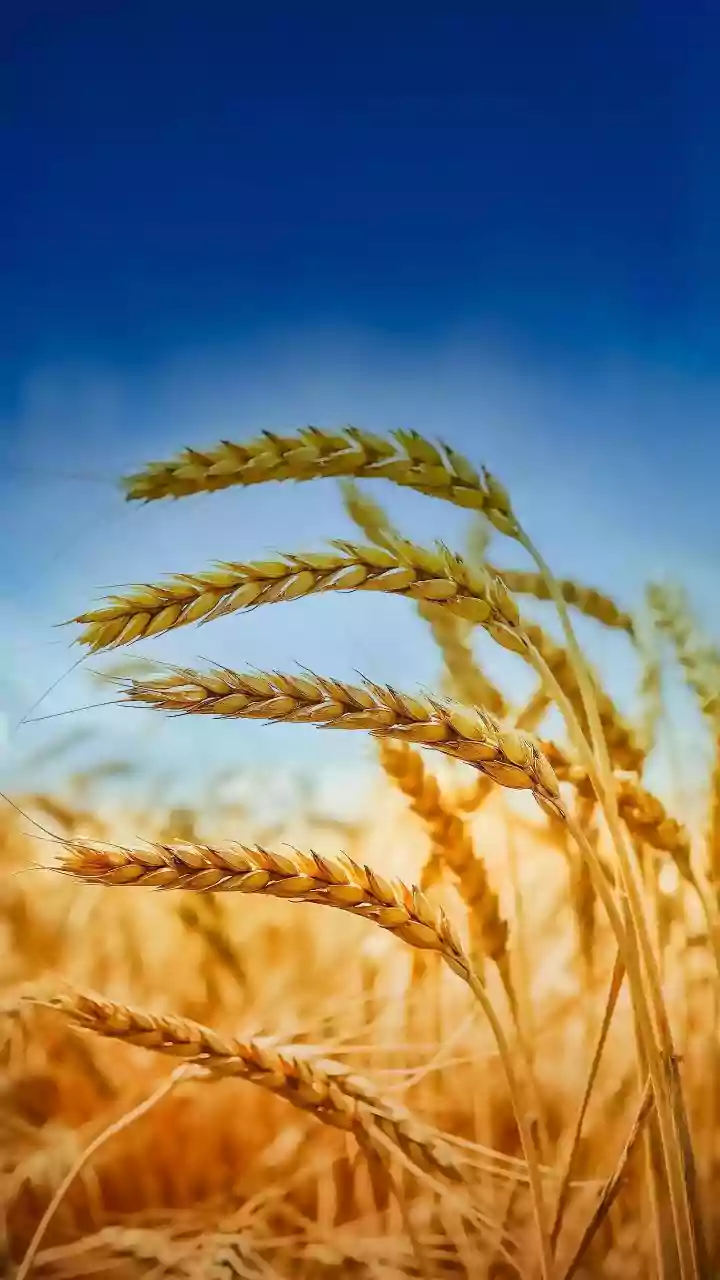
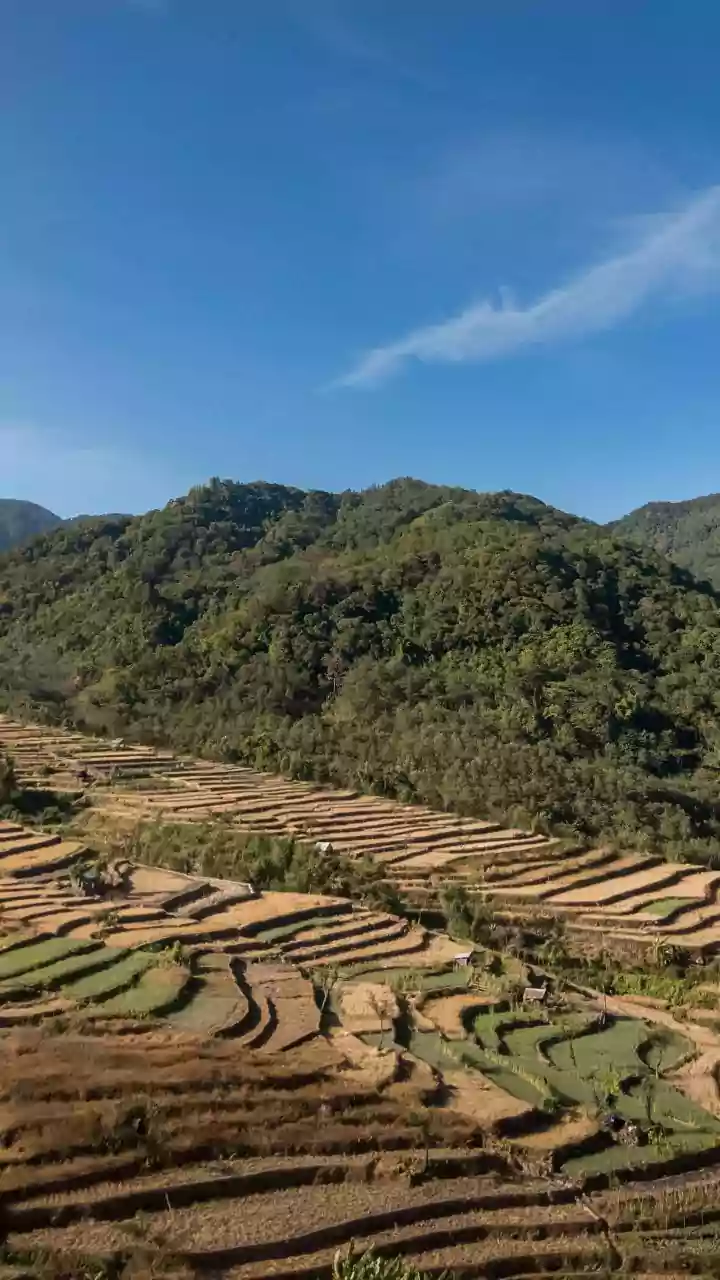
One of the most significant contributors to the October pollution spike is agricultural activity in neighbouring states like Punjab and Haryana. After harvesting the paddy (rice) crop, farmers have a very short window to clear their fields to sow the next
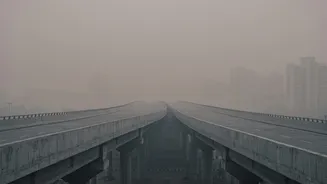
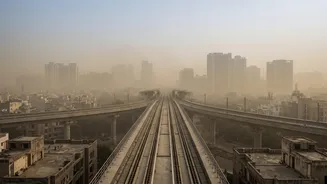
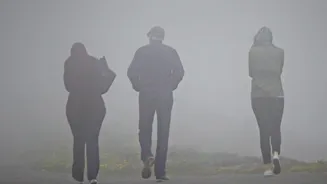
crop, which is typically wheat. The quickest and cheapest method to get rid of the leftover crop residue, or 'parali', is to set it on fire. This practice, known as stubble burning, releases enormous plumes of smoke containing particulate matter (PM2.5 and PM10), carbon monoxide, and other toxic gases into the atmosphere. During October and November, prevailing north-westerly winds carry this smoke directly towards the landlocked National Capital Region, blanketing it in a thick smog. Studies have shown that stubble burning can be responsible for a dramatic increase in particulate matter, contributing significantly to Delhi's pollution load during this specific period.
The Atmosphere Puts a Lid On It
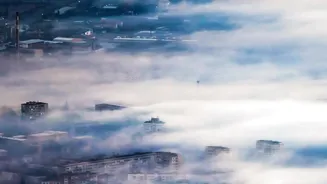
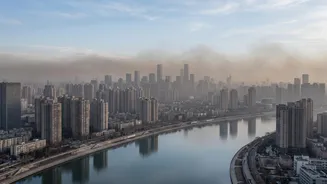
October also marks a crucial shift in weather patterns that transforms the region into a 'gas chamber'. As the monsoon recedes, wind speeds drop significantly. The hot, rising air of summer, which helps disperse pollutants, is replaced by cooler, denser air that stays closer to the ground. This leads to a phenomenon called 'temperature inversion'. Normally, air is warmer near the ground and gets cooler with altitude. In an inversion, a layer of warmer air sits on top of a layer of cooler air near the surface, acting like a lid. This atmospheric lid traps pollutants from all sources—vehicle exhaust, industrial emissions, and farm fires—preventing them from dispersing vertically. This trapping effect means that the pollution generated both locally and regionally accumulates at breathing level, causing the sharp spike in the Air Quality Index (AQI).
Delhi’s Own Pollution Cocktail
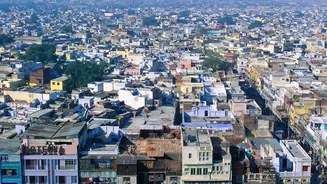
While farm fires and meteorology are major seasonal drivers, it's crucial to remember that Delhi-NCR has a high baseline of pollution year-round. These local sources are always present but their impact becomes dangerously magnified when trapped by the October weather conditions. Major contributors include vehicular emissions, which account for a substantial percentage of PM2.5 pollution. Dust from rampant construction and demolition activities, along with road dust, constantly adds to the particulate load. Industrial emissions from factories and thermal power plants within and around the region also play a significant role. When the dispersing effect of summer winds and rain vanishes, this constant stream of local pollution has nowhere to go and concentrations soar.
The Festive Factor
The timing of major festivals often coincides with this already precarious period. The lead-up to and celebration of Diwali, which frequently falls in late October or November, can add another severe pollution spike. Despite bans and restrictions, the widespread bursting of firecrackers releases immense amounts of harmful chemicals and fine particulate matter in a very short period. This sudden injection of pollutants can cause the AQI to jump from 'very poor' to 'severe' or 'hazardous' levels overnight, compounding the effects of farm fires and vehicle exhaust. The combination of smoke from firecrackers with the existing smog creates a toxic mix that poses acute health risks to millions.