






Know Your Food Sources
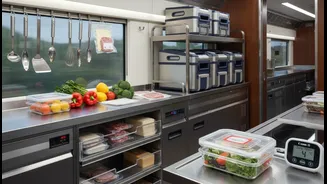
On any long-distance train, you generally have four food options: the onboard pantry car, station vendors, e-catering services, and food you’ve packed from home. Understanding the pros and cons of each is the first step. While incidents of poor hygiene
have raised concerns, both Indian Railways and the Food Safety and Standards Authority of India (FSSAI) have been increasing oversight. Measures include mandatory FSSAI certification for catering units, surprise inspections, and deploying supervisors to monitor hygiene. For the traveller, this means a mixed landscape of options that requires a discerning eye.
Pantry Car and Station Savvy
Pantry car food can be a gamble, but you can improve your odds. Opt for meals that are freshly prepared and served hot, as the heat helps kill bacteria. Simple, balanced meals like dal, rice, and lightly cooked vegetables are generally easier on the stomach during a long journey compared to very oily or spicy dishes. At stations, look for vendors with high customer turnover, which suggests fresher food. Sealed packaged items like biscuits, chips, and bottled water from reputable brands like Rail Neer are always a safer bet. Some stations are FSSAI-certified as "Eat Right Stations," indicating higher hygiene standards.
The E-Catering Revolution
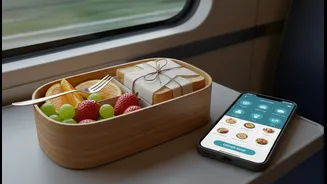
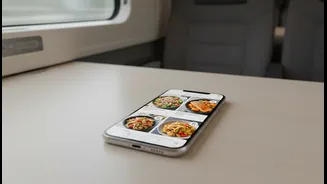
E-catering has changed the game, allowing passengers to order meals from partner restaurants delivered directly to their seats. This provides access to a wider variety of trusted, FSSAI-approved eateries. To use this service, you should only use the official IRCTC E-Catering website or its "Food on Track" app. IRCTC has recently cracked down on unauthorised apps and websites that illegally use its branding, warning that these pose health and data security risks. When ordering, you can enter your PNR number to see which restaurants are available at upcoming stations. It's wise to check restaurant ratings and reviews before placing an order.
Your Ultimate Safety Net: Food from Home
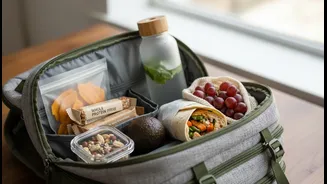
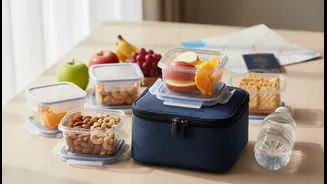
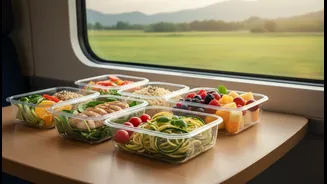
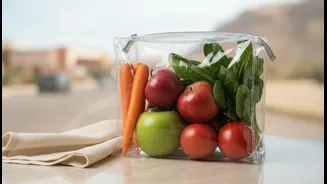
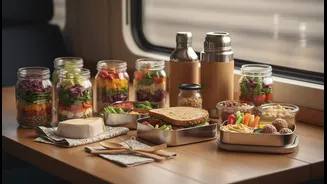
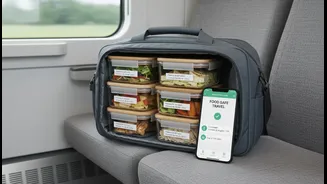
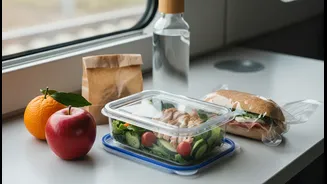
Packing your own food remains the most reliable way to control quality and hygiene. For long journeys, focus on items with a long shelf life and low moisture content to prevent spoilage. Classics like thepla, dry stuffed parathas, and pulao are excellent choices for the first day of travel. Other great options include dry fruits, nuts, energy bars, and homemade snacks like roasted chickpeas. For a 30-40 hour journey, plan for one day of home-cooked food and then switch to reliable e-catering or carefully selected station options. Always pack food in airtight containers and carry essentials like hand sanitiser and wet wipes to maintain hygiene before eating.