






The Humidity Problem
Composting is a living process driven by microorganisms that need a balanced environment of air, water, carbon, and nitrogen. During periods of high humidity, like the Indian monsoon, the air is already saturated with moisture. This dramatically slows
down the evaporation of water from your compost pile. Food scraps, which are naturally high in water (often 80-90%), add even more liquid to the system. When this moisture can't escape, the pile can quickly become waterlogged, creating conditions that are hostile to the helpful aerobic bacteria you want to encourage.
The Trouble with Large Batches
It can be tempting to collect kitchen waste for several days and dump it into the composter all at once. However, during humid weather, this is one of the biggest mistakes you can make. A large, dense clump of wet waste, like vegetable peels and leftover food, compacts under its own weight. This squeezes out the air pockets that are essential for aerobic decomposition. Without oxygen, a different set of microbes, called anaerobic bacteria, takes over. This anaerobic decomposition is slow, inefficient, and produces foul-smelling gases like hydrogen sulfide (rotten eggs) and ammonia. This is what causes the dreaded compost stink and creates a slimy, black sludge instead of rich, earthy compost.
Small Batches: The Simple Solution
Adding your wet waste in smaller, more frequent batches directly counteracts these problems. A smaller amount of new material is less likely to become compacted and allows air to circulate more freely. The existing population of microbes in your bin can process a smaller addition of food more efficiently, breaking it down before it has a chance to rot anaerobically. Think of it as feeding a fire: you add logs one by one to keep it burning hot, rather than smothering it with a huge pile of damp wood. This method helps maintain the aerobic state required for fast, odour-free composting.
Balancing with 'Browns' is Critical
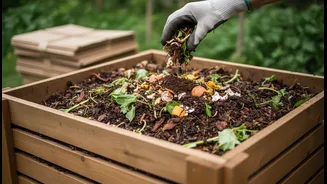
Adding wet waste ('greens') in small batches is only half the solution. The other crucial element is adding a sufficient amount of dry, carbon-rich 'brown' materials every single time. These include things like dried leaves, sawdust, shredded newspaper or cardboard, and cocopeat. During the monsoon, browns are your best friend. They serve two vital purposes: they absorb the excess moisture from the wet waste, and they create structure and air pockets within the pile, preventing compaction. A good rule of thumb is to add two to three parts of brown material for every one part of green material by volume. If you add a small bowl of kitchen scraps, add two to three similar-sized bowls of dry material and mix it in.
Monsoon Composting Best Practices
To ensure success during the humid months, combine the small-batch strategy with these essential tips. First, ensure your compost bin is protected from direct rain, either with a secure lid or by placing it in a sheltered area. Good drainage is also key, so make sure any holes at the bottom of your bin are not blocked. Turn or 'fluff' your pile with a rake or pitchfork every few days. This introduces much-needed oxygen and helps distribute moisture and heat evenly. Before the monsoon arrives, it's wise to stockpile a large bag of dry leaves or shredded cardboard so you have a ready supply of brown material when everything outside is damp.