



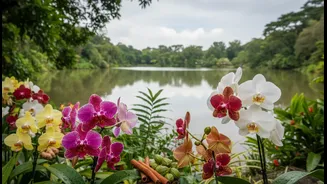


Singapore's Heartland National Garden
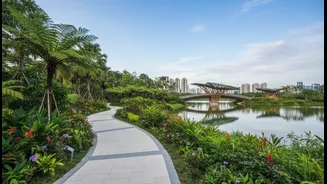
Spanning a massive 90 hectares, Jurong Lake Gardens is Singapore’s third national garden and the first to be established in a residential area. It is a deliberate move away from concentrating iconic green spaces in the central business district. The gardens
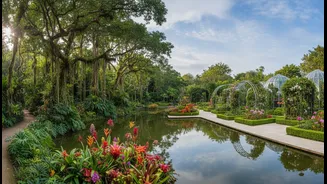
are composed of the recently revamped Chinese and Japanese Gardens, which preserve cultural heritage with stunning pagodas and tranquil landscapes, and the newer Lakeside Garden, which focuses on nature, community, and play. This isn't just another park; it’s a destination designed to bring world-class nature and recreation to the doorstep of hundreds of thousands of residents in the island's western region.
From Industrial Backdrop to Natural Oasis
The history of the area is one of remarkable transformation. The gardens are built around Jurong Lake, which was formed in the 1970s by damming a river to create a water source for the surrounding industrial estate. The original Chinese and Japanese Gardens were developed shortly after to bring a touch of green to the industrious zone. The decision in 2014 to integrate these existing parks and develop the surrounding area into a full-fledged national garden marked a major shift. It signaled an evolution in thinking: green spaces are not just for beautification but are essential infrastructure for community well-being and environmental resilience.
The 'City in Nature' Blueprint in Action
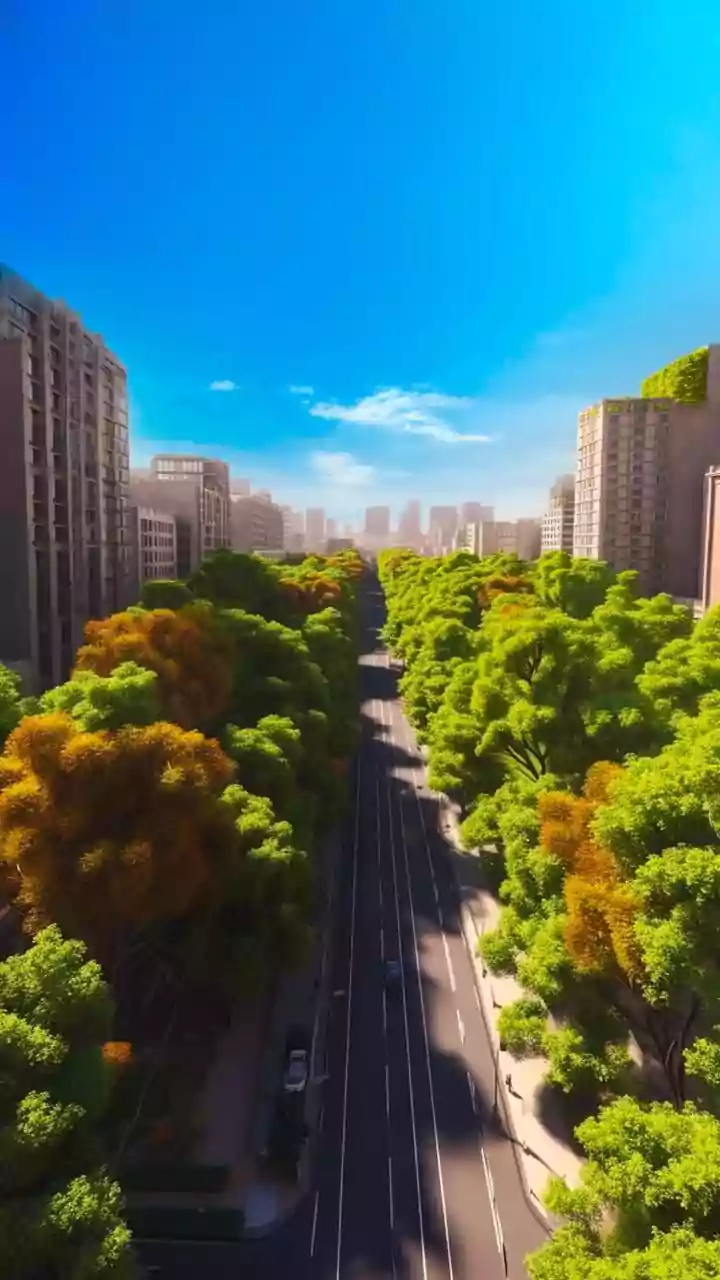
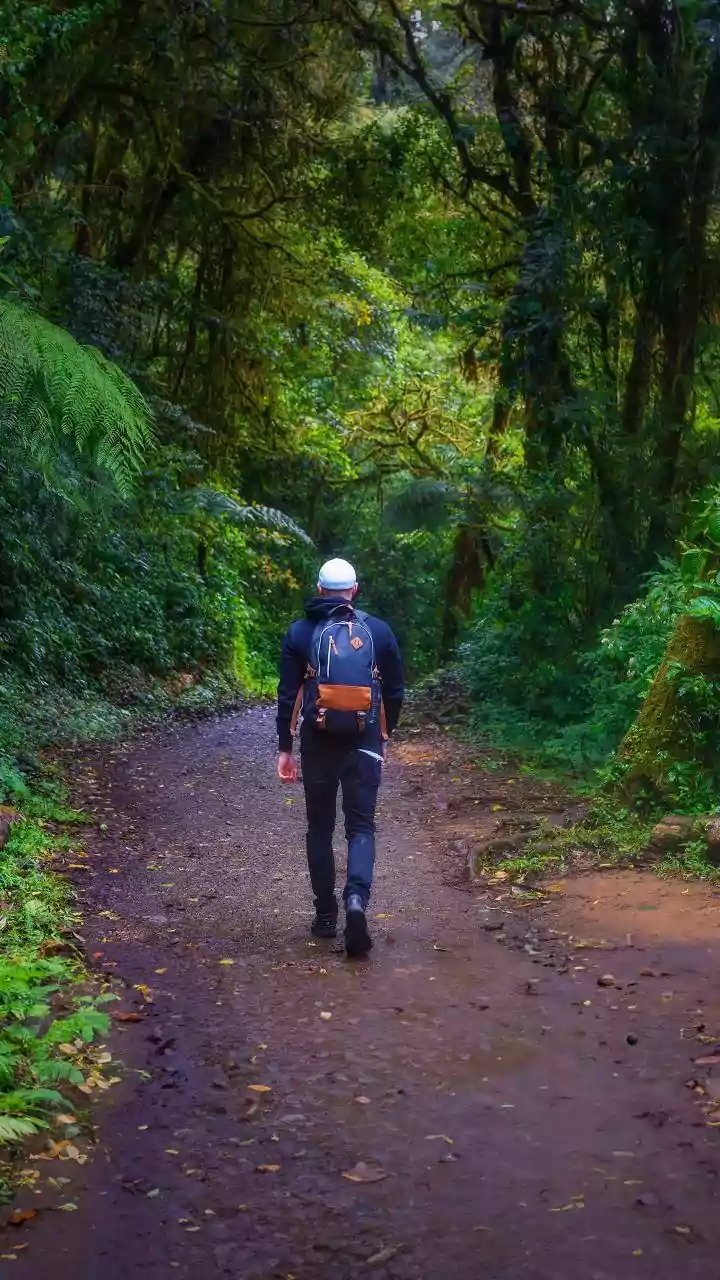
Jurong Lake Gardens is a living example of Singapore's 'City in Nature' strategy. This national vision aims to move beyond being a 'Garden City' to weaving nature more deeply into the urban fabric. Instead of containing nature within parks, the goal is to create a seamless network of green corridors, naturalised parks, and skyrise greenery that brings wildlife closer and enhances daily life. At Jurong Lake Gardens, this is evident in the restored freshwater swamp forests and wetlands, which can be explored via boardwalks, allowing visitors to spot native birds and other wildlife. The plan also aims for every household to be within a 10-minute walk of a park, a goal that decentralised gardens like this help achieve.
Designed for People and Play
Beyond its ecological functions, the garden is profoundly people-centric. It boasts the largest nature-themed playground in the heartlands, Forest Ramble, where children can mimic the movements of native animals. For those seeking tranquility, the vast collection of water lilies and serene walking paths in the Japanese Garden offer a peaceful escape. It connects directly to the island-wide Park Connector Network, allowing cyclists and joggers to travel for kilometres. It’s a space designed for active use, hosting everything from community gardening and water sports to quiet contemplation, reflecting a modern understanding of parks as social and recreational hubs that boost public health.
The Green Heart of a Future CBD
The significance of Jurong Lake Gardens extends far into the future. It serves as the green anchor for the Jurong Lake District (JLD), which is set to become the largest business district outside of the central area. As the JLD develops over the next two decades with new offices, homes, and transport links, the gardens will function as its 'blue and green' lung. This strategy of co-locating a major commercial hub with a massive nature retreat is a core part of Singapore's decentralisation plan. It aims to create vibrant, sustainable, and car-lite regional centres where people can live, work, and play, reducing the reliance on the central city and improving overall quality of life.