


Spot the Difference: Appearance and Texture
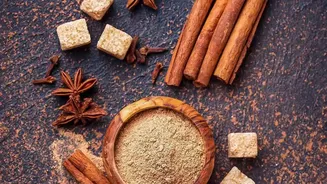
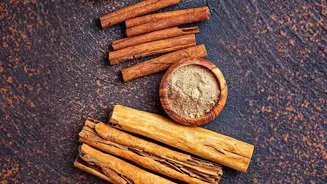
The most telling difference lies in the form of the cinnamon stick, or quill. Ceylon cinnamon, often called 'true cinnamon', has many thin, soft layers of bark rolled together like a delicate cigar. These sticks are tan-brown, fragile, and crumble easily.
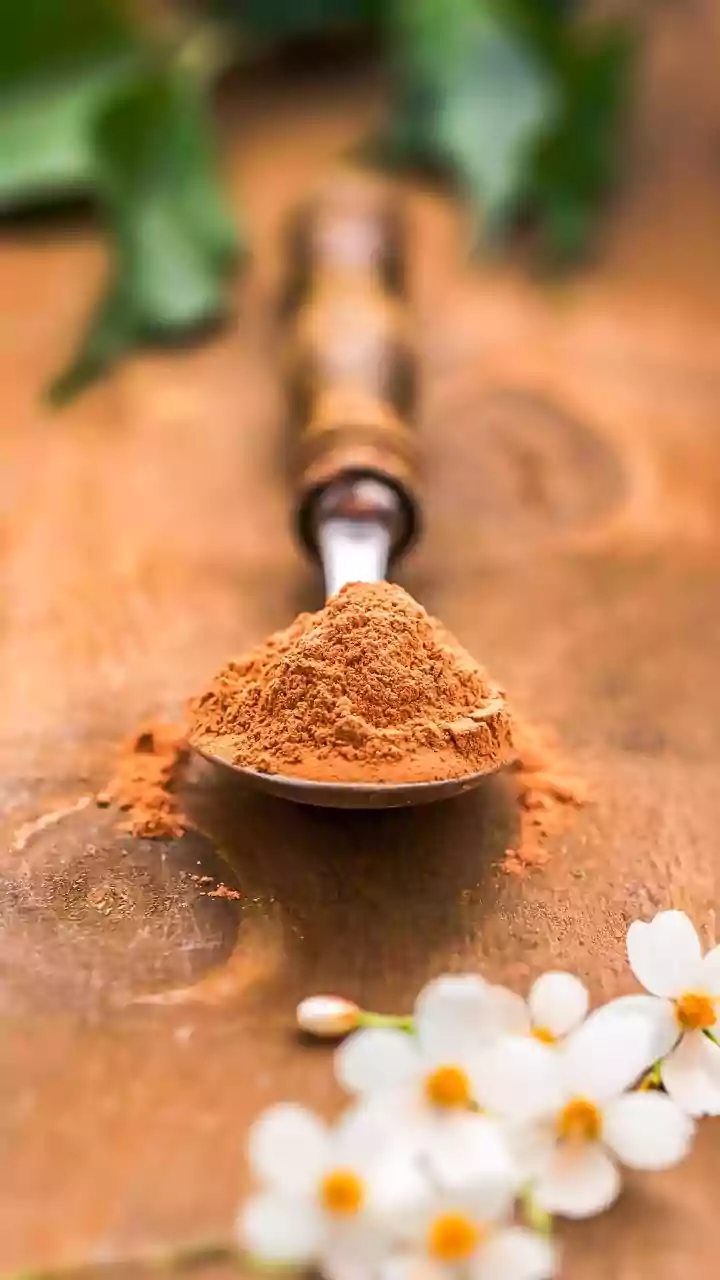
Cassia cinnamon, the more common and cheaper variety, is what you'll typically find in supermarkets. Its stick is made of a single, thick, and woody layer of bark that is much harder and has a hollow tube-like appearance. The colour is a darker, reddish-brown. While they look very different as sticks, it's nearly impossible to tell them apart once ground into powder.
A Tale of Two Flavours
The taste profiles of these two spices are worlds apart. Ceylon cinnamon, native to Sri Lanka and Southern India, possesses a delicate, mildly sweet, and complex flavour with subtle floral or citrus notes. This makes it a favourite for desserts, baked goods, and beverages where it can enhance other flavours without overpowering them. Cassia, which primarily comes from China and Indonesia, has a much stronger, spicier, and more pungent flavour. This robust punch is due to a higher concentration of the essential oil cinnamaldehyde, making it suitable for rich, savoury dishes like curries where a bold spice note is desired.
The Coumarin Question: A Health Perspective
Perhaps the most critical difference is the content of a natural compound called coumarin. Cassia cinnamon contains significantly high levels of coumarin, sometimes up to 1% of its weight. In large or regular doses, coumarin has been linked to potential liver damage in sensitive individuals. Ceylon cinnamon, on the other hand, contains only trace amounts, often cited as being 250 times lower than Cassia. This makes Ceylon the much safer choice for daily consumption or for those who use cinnamon frequently for its potential health benefits, such as blood sugar management. For occasional use in cooking, the amount of coumarin in Cassia is generally not a concern for most people.
Price, Origin, and What's in Your Pantry
Ceylon cinnamon's labour-intensive harvesting process, where the delicate inner bark is hand-peeled and rolled, makes it a premium spice. Consequently, it is much more expensive and harder to find. It is usually sold at specialty spice shops or online and will be clearly labelled as 'Ceylon Cinnamon' or 'Cinnamomum verum'. Cassia is cheaper to produce and is the dominant variety in the global market. If your spice jar simply says 'cinnamon' or 'dalchini', it is almost certainly Cassia. In India, while the term 'dalchini' can refer to both, the widely available and commonly used spice in everyday cooking is typically Cassia.
Which One Should You Choose?
The choice between Ceylon and Cassia depends entirely on your needs. For a bold, spicy kick in hearty curries or masalas, the inexpensive and robust Cassia works perfectly well when used in moderation. For desserts, delicate beverages, or if you plan to use cinnamon daily as a health supplement, investing in Ceylon cinnamon is the smarter and safer option. Its subtle sweetness enhances food without overwhelming it, and its low coumarin content removes any health worries associated with regular intake. Ultimately, knowing the difference allows you to be a more informed consumer in both the kitchen and for your well-being.