
The New Pantry Essentials
Step into a modern urban Indian kitchen, and you might be surprised by what you find. Alongside jars of homemade achaars and tins of asafoetida, it's increasingly common to see a tub of Korean kimchi, a packet of Japanese miso paste, and a bottle of extra
virgin olive oil. Once considered exotic or purely for 'continental' dishes, these ingredients are now being seamlessly woven into the fabric of everyday Indian cooking. This shift represents more than just a passing trend; it signals a new confidence in Indian cuisine, one that is open to borrowing, adapting, and innovating without losing its soul. It’s a culinary landscape where a dal can be finished with a spoonful of miso for umami depth, or a simple paratha can be stuffed with spicy kimchi.
Miso: The Umami Infusion
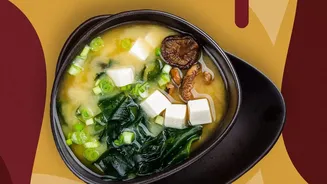
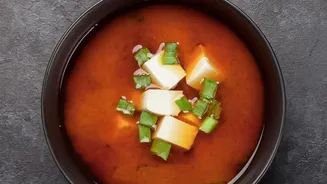
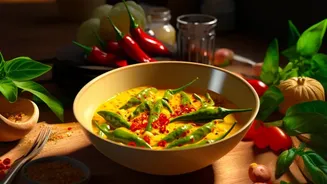
Miso, the fermented soybean paste from Japan, is prized for its complex, salty, and deeply savoury flavour known as umami. Indian chefs and home cooks are discovering that this flavour profile beautifully complements traditional Indian spices. A teaspoon of miso can be stirred into a tomato chutney to give it a richer, more robust taste or added to a coconut-based curry to create layers of flavour without overpowering the dish. Some are even experimenting with miso-masala khichdi and miso-infused rasam, where the paste adds a subtle, earthy background note that enhances the overall experience. The key is to use it not as a replacement, but as a flavour enhancer, much like a pinch of a potent spice. As it should not be boiled to preserve its probiotic benefits, it's often stirred in at the end of cooking.
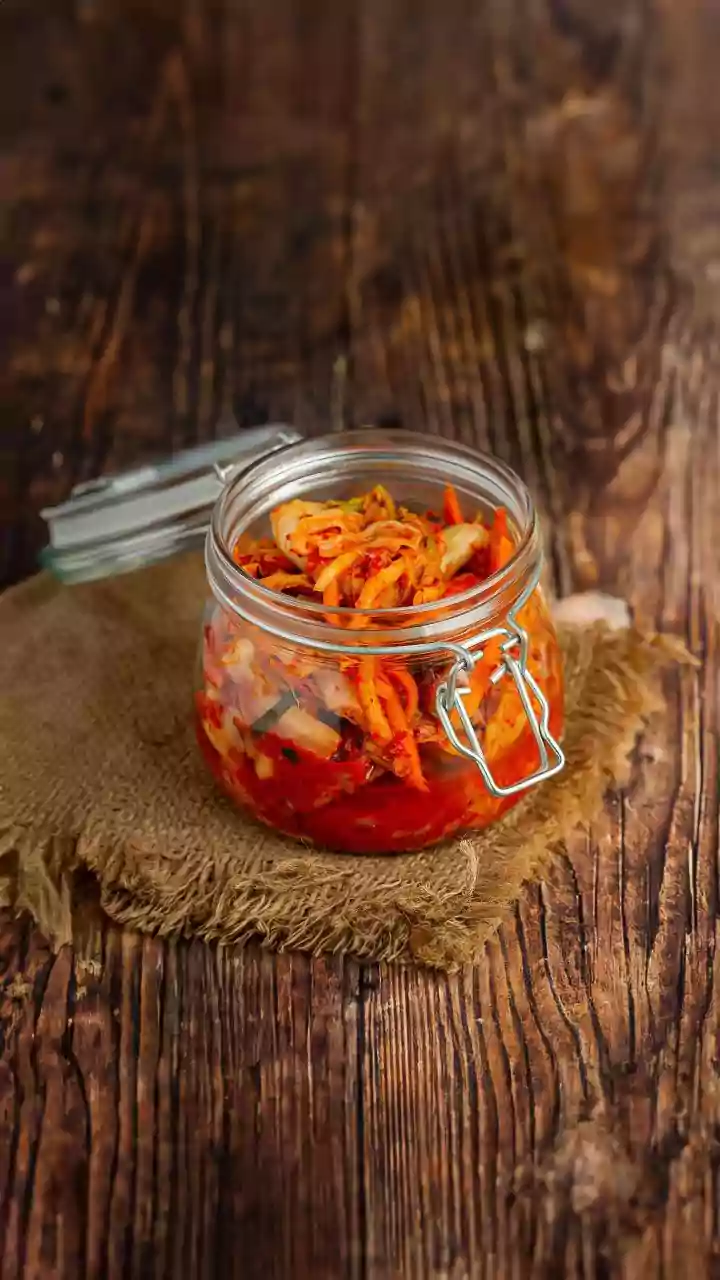
Kimchi: A Fermented, Fiery Kick
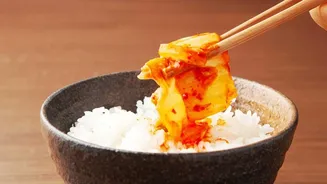
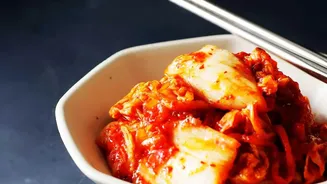
Kimchi, the fiery fermented cabbage from Korea, is finding a natural home in a country that has a deep-rooted love for pickles and fermented foods. The Indian palate is well-acquainted with the spicy, sour, and pungent notes that kimchi delivers. This has made its integration into Indian dishes feel almost intuitive. It's being used as a side, much like a traditional pickle, to accompany dal and rice. But its use goes far beyond that. Finely chopped kimchi is being added to uttapam batter, used as a filling for grilled sandwiches, and stirred into fried rice for a one-ingredient shortcut to spice and tang. Its acidity and crunch can cut through the richness of a curry or add a surprising twist to a simple potato stir-fry.
Olive Oil: Beyond a Simple Drizzle
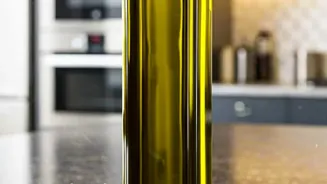
For years, olive oil in India was primarily associated with salads and pasta. Many believed its distinct flavour was unsuited for the high-heat cooking methods and complex spice blends of Indian food. That perception has completely changed. With a greater understanding of its different grades, olive oil is now a staple cooking medium. Refined olive oil, with its higher smoke point and neutral flavour, is being used for everything from making tadkas for dals to sautéing vegetables for curries. Meanwhile, extra virgin olive oil is used as a finishing oil, drizzled over raitas or steamed rice for a final flourish of flavour. This shift is driven by health consciousness, as olive oil is rich in heart-healthy fats, but also by a realization that the right kind of olive oil complements, rather than clashes with, Indian spices.
Why Now? The Forces Driving the Change
This culinary crossover is being fueled by several factors. Increased global travel and media exposure have made Indians more familiar with and curious about international flavours. At the same time, there's a growing wellness movement, with a focus on the health benefits of fermented foods like kimchi and miso, and healthier fats like olive oil. The market for fermented foods and beverages in India is growing rapidly, with a projected value of USD 43.5 Billion by 2034. Furthermore, a new generation of Indian chefs and home cooks feels empowered to experiment. They are not just blindly following recipes but are deconstructing flavours and techniques, confident in their ability to integrate new ingredients in a way that feels both exciting and authentic to their Indian roots.