





The Fuel Inside the Peel
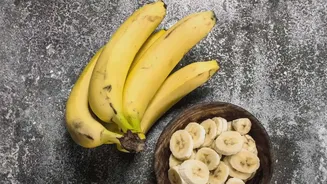
The main reason bananas are so popular before exercise is their carbohydrate content. A medium banana packs around 27 grams of carbs, which are the body's primary fuel source. These carbs are easily digestible, especially in a ripe banana, meaning your
body can quickly convert them into glucose for an energy boost without feeling weighed down. The fiber in bananas also helps slow down the absorption of sugar into the bloodstream, providing a more sustained release of energy rather than a sharp spike and crash. This makes them particularly useful for endurance activities like running or cycling, where you need fuel to last.
Perfect Timing for Peak Performance
When you eat your banana matters. For the best results, most experts suggest consuming it 30 to 60 minutes before you start your workout. This window gives your body enough time to digest the carbs and make that energy available to your muscles. Eating it too close to a high-intensity session might cause discomfort for some people, as your body diverts blood from digestion to your working muscles. If you're pairing the banana with something that digests more slowly, like peanut butter, it's a good idea to eat it a bit earlier, around 60 to 90 minutes beforehand. This combination of fast-acting carbs from the banana and slower-releasing energy from the fat and protein in the nut butter can provide more sustained fuel.
The Potassium Question: Cramp Killer or Myth?
For years, athletes have eaten bananas to prevent muscle cramps, crediting the fruit's high potassium content. Potassium is an essential electrolyte that plays a role in muscle function and contractions. And while low potassium levels can cause cramping, the idea that a pre-workout banana will magically ward off exercise-associated cramps is largely a myth. Research has shown that exercise-induced cramps are more closely linked to neuromuscular fatigue than to a significant loss of electrolytes like potassium. Studies on athletes in endurance events found no significant link between their electrolyte levels and whether they experienced cramps. While the potassium in a banana contributes to your overall daily needs, it's unlikely to have an immediate preventative effect on cramps during that specific workout.
Are There Any Downsides?
For most people, a pre-workout banana is a great choice. However, because they are high in carbohydrates and natural sugars, they might not be the ideal snack for someone on a very low-carb or ketogenic diet. Additionally, if your workout is very light or short, you might not need the extra fuel from a banana at all. Some people also find that eating a very ripe banana on an empty stomach can cause a quick rise in blood sugar, followed by a slight dip in energy later if the exercise isn't intense enough to use that glucose immediately. As with any food, it's about listening to your body and seeing what makes you feel best.
Beyond the Banana: Great Alternatives
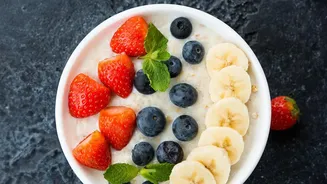
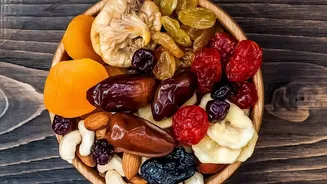
If you're not a fan of bananas or just want to mix things up, there are plenty of other excellent pre-workout snacks. The goal is to get some easily digestible carbohydrates for energy. Good options include a small bowl of oatmeal with berries, a few dates, apple slices with a little nut butter, or a piece of whole-grain toast. Greek yogurt with fruit is another fantastic choice, offering a mix of carbs and protein. The key is to choose something that gives you energy without making you feel overly full or causing digestive issues during your workout.