
More Than a Metal: Gold's Cultural Weight
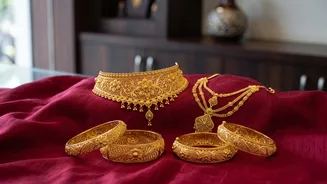
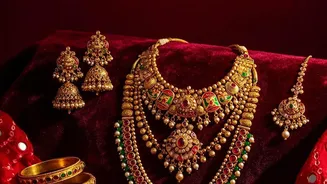
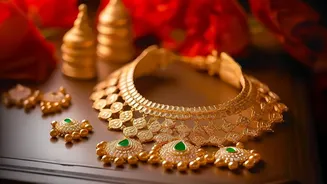
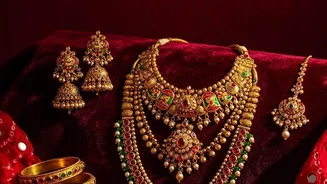
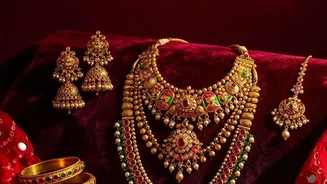
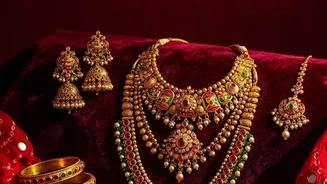
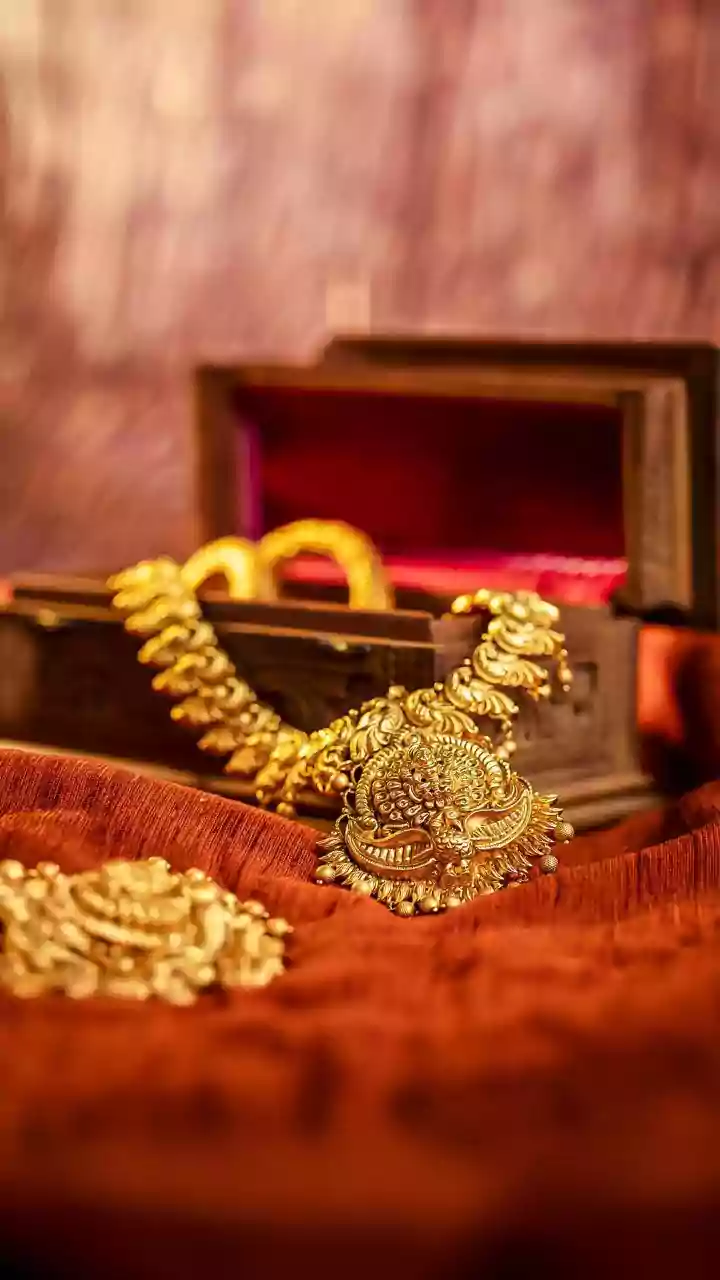
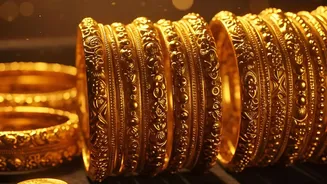
In Indian weddings, gold is far more than mere adornment. It is a sacred symbol of prosperity, purity, and divine blessings from Goddess Lakshmi. It represents 'stridhan'—a woman's personal wealth and financial security as she begins her new life. Historically,
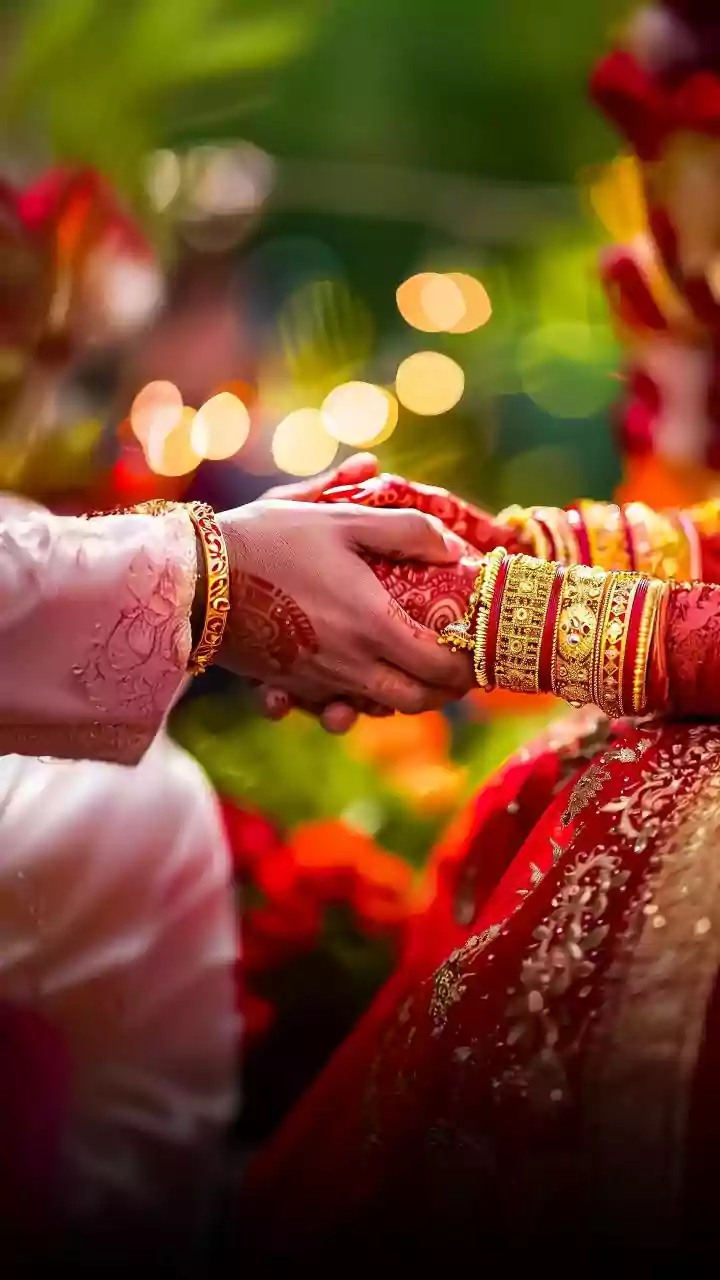
gold was a way to provide a daughter with her inheritance, offering a safety net in times of need. This tradition is woven into the very fabric of the wedding ceremony, from the gold mangalsutra tied by the groom to the bangles and earrings gifted by family. Each piece carries emotional weight and family heritage, often passed down through generations. This deep cultural significance is why, even when prices surge, demand for gold doesn't disappear; it simply adapts. Weddings are estimated to drive about half of India's annual gold demand.
The Budget Balancing Act
For wedding buyers, especially in the mid-segment, fluctuating gold rates have a direct and immediate impact on financial planning. A sudden price spike can force families to recalibrate their entire wedding budget. With gold prices reaching historic highs in recent years, many are faced with a tough choice: compromise on the quantity of gold or reallocate funds from other wedding expenses like venues and catering. According to industry experts, this has led to a noticeable shift in consumer behaviour. While families are spending a similar amount of money, the actual weight of gold purchased has decreased. This trend of buying 'lighter, smarter, and earlier' has become the new norm for many who want to honour tradition without derailing their finances.
Silver: The Essential Supporting Role
While gold often takes the spotlight, silver plays a crucial and expansive role in Indian weddings. It is the metal of choice for a wide array of gifts, from intricate lamps and utensils for the new couple's home to coins and small ornaments for guests. Silver jewellery, such as anklets (payals) and toe rings, is also an integral part of the bridal ensemble in many communities. Its relative affordability allows for generosity in gifting without the immense financial pressure of gold. However, silver is not immune to market volatility, and its price also influences wedding budgets. Rising silver costs can affect the scale of gifting and the number of silver items exchanged during ceremonies, making its price another key factor for families to monitor.
Smart Buying: Timing and Strategy
Navigating the gold market requires a strategic approach. While auspicious days like Akshaya Tritiya and Dhanteras are culturally significant for buying gold, they often coincide with peak demand and higher prices. For value-conscious buyers, the 'off-season' months, typically from April to June or July to September, can be a better time to purchase. During these periods, lower demand may lead to more stable prices and better negotiation power on making charges. Experts suggest planning jewellery purchases at least two to four months before the wedding. This provides a window to track prices, avoid the last-minute rush, and make informed decisions. Many families also adopt a gradual accumulation strategy, buying small amounts of gold regularly to average out the cost over time, a method that removes the stress of trying to time the market perfectly.
Understanding What You Buy
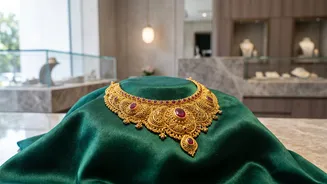
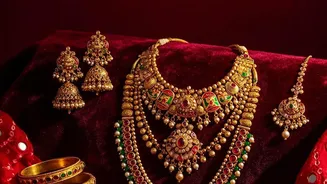
Beyond tracking the daily rate, understanding the components of jewellery pricing is essential. The final cost isn't just the price of gold per gram. It includes making charges, GST, and the cost of any embedded stones. Making charges, which cover the labour involved, can vary significantly depending on the intricacy of the design and can have a bigger impact on the final price than minor gold rate fluctuations. It's also vital to check for purity. 24-karat gold is the purest form, but it's too soft for intricate jewellery. 22-karat gold is the standard for most traditional wedding pieces, offering a balance of purity and durability. Always look for hallmarking, which certifies the purity of the metal. Being an informed buyer means looking beyond the sticker price to understand the true value of your purchase.