
Unpacking the 'Rocket Revolution'
World Space Week, observed annually from October 4 to 10, commemorates key milestones: the launch of Sputnik 1 and the signing of the Outer Space Treaty. For 2026, the World Space Week Association and the UN Office for Outer Space Affairs have chosen
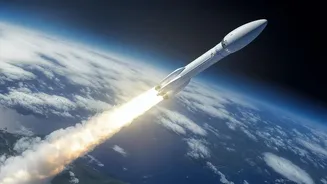
'Rocket Revolution' as the theme. This theme celebrates the dramatic transformation in how we access space. For decades, launching anything into orbit was the exclusive domain of a few powerful governments with massive budgets. Now, the landscape is changing at an incredible pace, driven by a new generation of technologies and players. The 'revolution' isn't just about building bigger rockets; it's about making them smarter, cheaper, and more accessible. This includes the rise of reusable boosters, the entry of commercial companies, and the development of new launch systems by universities and emerging space nations.
The Unchanging Law of Physics
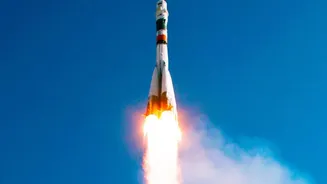
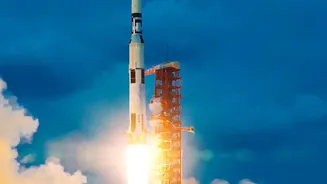
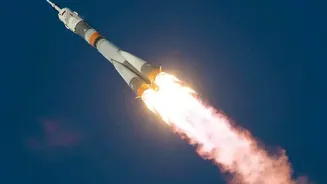
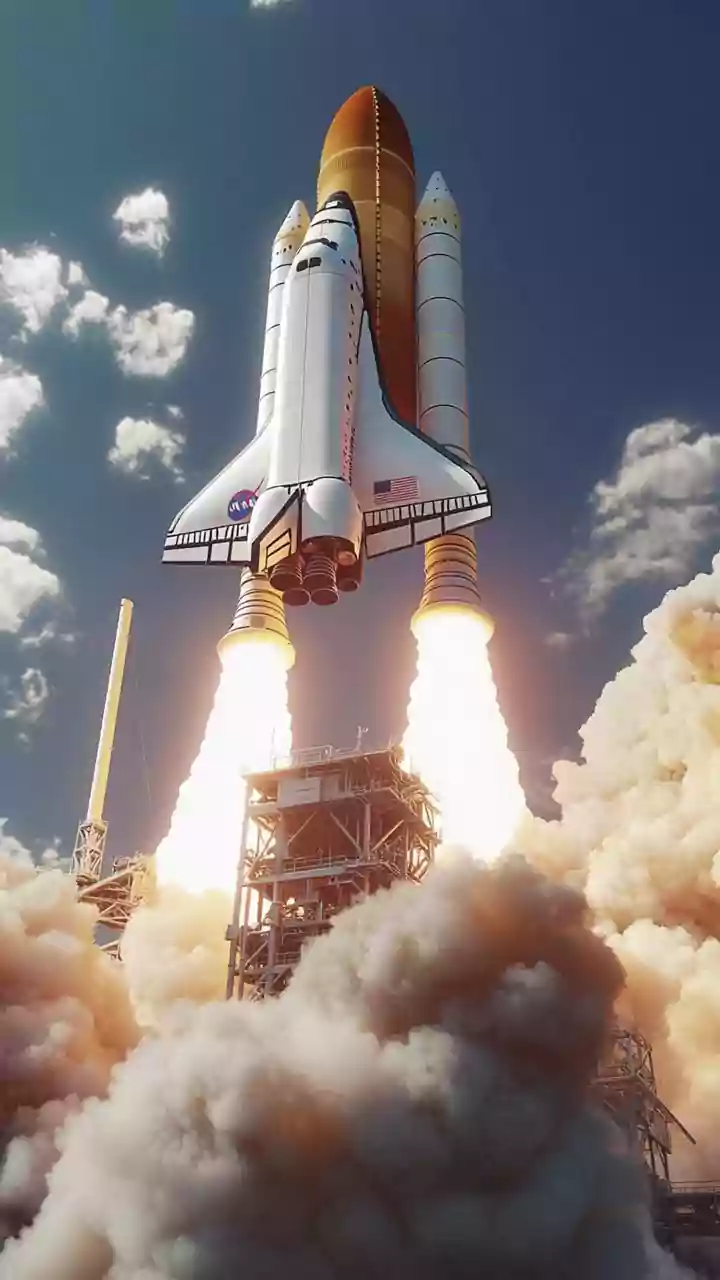
Despite incredible advances in satellite technology, robotics, and life support, one fundamental challenge has never changed: escaping Earth's gravity. A launch vehicle remains the only practical way to propel a spacecraft to the velocity needed to enter orbit—roughly 28,000 km per hour. There are no anti-gravity engines or space elevators from science fiction to lift our payloads. Every satellite that provides our GPS navigation, every probe sent to explore another planet, and every astronaut heading to a space station starts their journey on the top of a controlled chemical explosion. Rockets are the foundational tool of space exploration, the essential first step upon which every other ambition is built. Without a reliable and powerful launch vehicle, even the most sophisticated spacecraft is just an expensive piece of hardware stuck on the ground.
Driving Down Costs, Opening Up Space
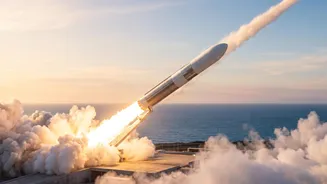
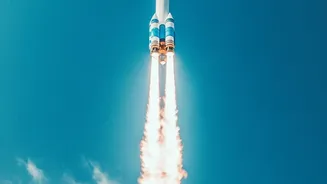
The core of the 'Rocket Revolution' is economics. For most of the space age, rockets were single-use machines, making them incredibly expensive. This created a high barrier to entry. The true game-changer has been reusability. By developing rockets whose most expensive components can land themselves and be flown again, companies have fundamentally rewritten the cost equation of space access. This dramatic drop in launch costs has stimulated the entire space ecosystem. It suddenly makes new business models viable, from large satellite constellations providing global internet to private companies planning their own space stations. Cheaper, more frequent launches mean more opportunities for science, commerce, and exploration, democratising access to a domain that was once reserved for superpowers.
An Indian Perspective: Powering National Ambitions
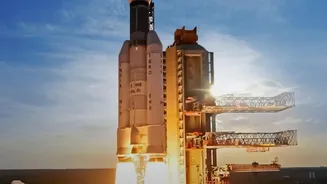
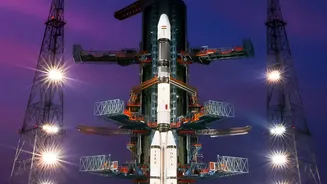
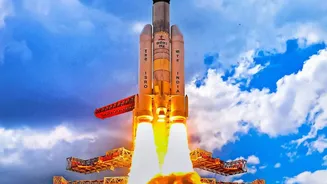
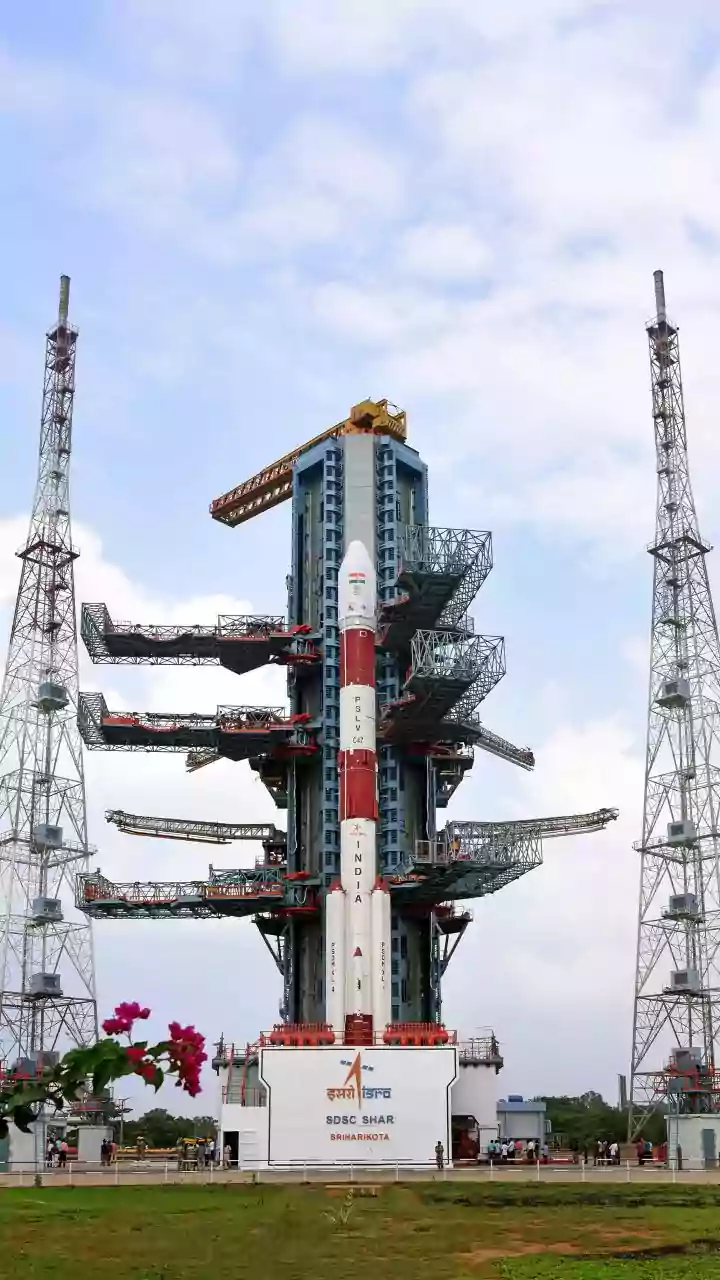
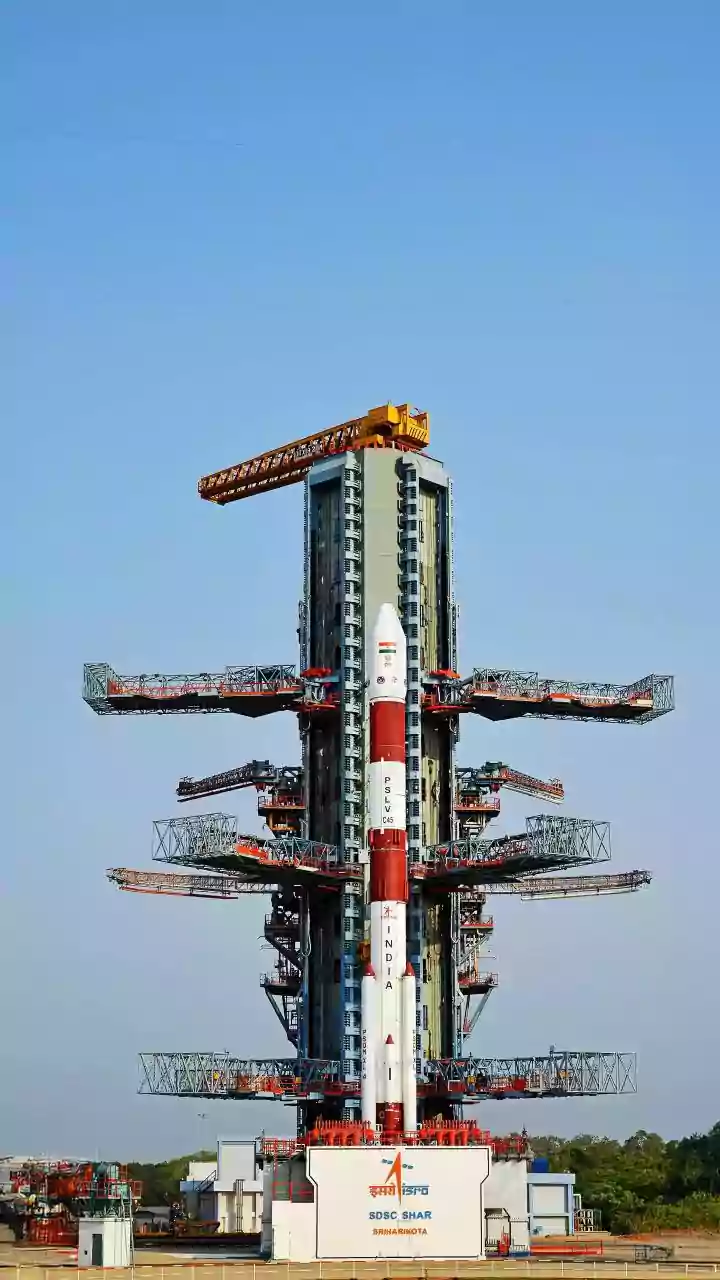
The 'Rocket Revolution' theme resonates strongly with India's own space journey. The Indian Space Research Organisation (ISRO) has long understood that self-reliance in launch capability is key to becoming a major space power. India's own workhorse rockets, like the PSLV and LVM3, are the backbone of its space program, enabling everything from the Chandrayaan moon missions to commercial satellite launches for other countries. Events for World Space Week 2026 are being organised across the country, with ISRO scientists giving lectures to students to inspire the next generation. As India looks towards ambitious future projects, including the Gaganyaan human spaceflight mission, the continued development and refinement of its launch vehicles will be more critical than ever. The global rocket revolution is not just a trend to watch, but a domain where India is an active and crucial participant.