






More Than Just a Pin on the Map
Every year, global media company Time Out compiles a list of the world's most exciting neighbourhoods, spotlighting places celebrated for their food, culture, community spirit, and independent businesses. For 2026, alongside hubs in Seoul, Rome, and Tokyo,
Delhi's very own Humayunpur has made the cut, securing the 16th spot. The ranking isn't just a win for Delhi; it's a specific celebration of a unique cultural pocket. The headline-making news is a chance to clarify what makes this neighbourhood special. Many Delhiites mentally group Humayunpur with the wider, more affluent Safdarjung Enclave, but the two are distinct. Humayunpur is an urban village, historically home to a Jat community, that has evolved dramatically over the decades. The Time Out recognition highlights the specific identity that has blossomed within its narrow, bustling lanes.
The Making of a Cultural Hub
Humayunpur’s journey to becoming a 'cool' destination is a story of migration and community. The area, once farmland, began to transform in the latter half of the 20th century. Over the years, it became a preferred locality for students and workers moving to Delhi from India's North-Eastern states like Nagaland, Manipur, and Assam, drawn by its relatively affordable rent and strong community network. This influx infused the neighbourhood with a new energy. Instead of being absorbed into the surrounding South Delhi landscape, Humayunpur cultivated its own distinct character, rooted in the traditions, flavours, and entrepreneurial spirit of its new residents. This organic growth is precisely what Time Out celebrated, noting that the area's appeal grew not from a planned tourist strategy but from the everyday life of the people who live and work there.
A Culinary Tour of the North-East and Beyond
At the heart of Humayunpur's appeal is its incredible food scene. With over 50 kitchens packed into its winding alleys, the neighbourhood offers a culinary map of North-Eastern and East Asian cuisine that is unparalleled in the city. Here, you can find authentic Naga thalis featuring fermented bamboo shoot and the pungent kick of axone (fermented soybean), a flavour profile vastly different from mainstream Delhi fare. Restaurants serve comforting bowls of Tibetan thukpa, spicy Manipuri eromba, and delicate momos. The food scene is a living, breathing entity, constantly evolving with new additions like Korean ramen and bibimbap, seafood boils, and Vietnamese kitchens. Grocery stores here are treasure troves, stocked with hard-to-find ingredients like Bhut Jolokia chillies and authentic Korean noodles, allowing visitors to take a piece of Humayunpur’s flavour home with them.
Beyond the Food: Fashion, Art, and Vibe
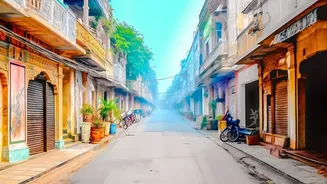
While food is the main draw, the culture of Humayunpur extends to its vibrant street style and independent businesses. The neighbourhood is a hotspot for thrift stores, independent fashion boutiques selling unique streetwear, and shops offering Korean skincare and K-pop merchandise. This retail scene is complemented by tattoo studios, karaoke venues, and quirky photo booths, all contributing to a youthful and creative atmosphere. It’s a place where you can spend an entire day, moving from a lunch of regional delicacies to an afternoon of browsing handcrafted jewellery and ending with a coffee at a trendy cafe. The vibe is a fascinating juxtaposition: the old-world charm of an urban village, with its close-knit buildings and tangled overhead wires, meets a modern, rebellious, and artistic energy.