





The Foundation: Sugar and Egg Whites
At the heart of any tuile recipe are two core components: sugar and egg whites. Unlike many cookies that rely on whole eggs, tuiles use only the whites. This is a crucial distinction. Egg whites, which are mostly water and protein, create the signature
light, airy, and crisp texture. Yolks, with their higher fat content, would result in a richer, softer cookie — the opposite of what a delicate tuile should be. Granulated or caster sugar provides the sweetness and, importantly, helps the batter spread thinly during baking. The high sugar content caramelizes in the oven, contributing to both the cookie's crispness and its beautiful golden-brown color.
The Richness and Spread: Melted Butter
While egg whites keep the cookie light, unsalted butter provides essential flavor and richness. In a tuile recipe, the butter is melted and cooled before being incorporated into the batter. This liquid fat helps the batter spread into a wafer-thin layer on the baking sheet, which is key to achieving the cookie's characteristic delicate structure. Using unsalted butter allows you to control the salt content, ensuring the buttery flavor shines through without being overpowering. The butter also contributes to the golden hue and the satisfying snap of the finished product.
The Structure: All-Purpose Flour
A small amount of all-purpose flour provides the necessary structure to hold the cookie together. Tuile batter has a very low flour content compared to other cookies, which is another reason they are so light and thin. The flour acts as a binding agent, giving just enough body to prevent the cookie from falling apart, but not so much that it becomes heavy or cakey. Sifting the flour before adding it to the batter helps ensure a smooth, lump-free consistency, which is vital for a batter that needs to be spread evenly and thinly.
The Star of the Show: Sliced Almonds
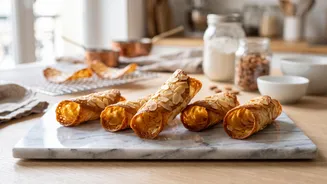
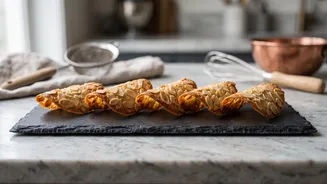
While a basic tuile can be made without nuts, almond tuiles are a beloved classic. Sliced almonds are the perfect choice for this cookie. Their thin, flat shape integrates seamlessly into the delicate batter, ensuring you get nutty flavor and texture in every bite without creating bulky lumps. Many recipes call for blanched, skinless almonds for a more uniform and elegant appearance. As the cookies bake, the almonds toast, releasing a wonderfully fragrant aroma and deepening their nutty flavor, which perfectly complements the caramelized sugar and browned butter.
The Finishing Touches: Flavor Extracts and Salt
To elevate the flavor, a few simple additions make a world of difference. A pinch of salt is a baker's secret weapon; it doesn't make the cookies salty, but rather balances the sweetness and enhances all the other flavors, from the butter to the almonds. Vanilla extract is a common addition, lending a subtle warmth and aroma. For an extra boost of nutty flavor that truly celebrates the star ingredient, a small amount of almond extract is often included, making the cookie's almond profile even more pronounced and delicious.