





Weaving Stories in Threads
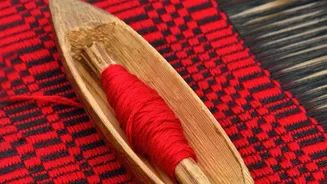
The craft most synonymous with Nagaland is its handwoven textiles, particularly the iconic shawls. These are not mere garments but canvases that narrate tales of tribal identity, social standing, and achievement. Each of the state's more than 16 major
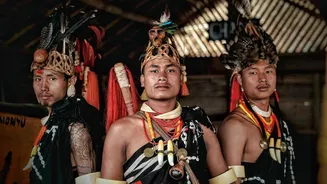
tribes has its own distinctive patterns, colours, and motifs, making every shawl a marker of heritage. The Ao community's 'Tsungkotepsu' or warrior shawl, for instance, was traditionally reserved for warriors who had shown great bravery. Its striking red and black base is adorned with symbols like the mithun (a wild bison) representing wealth, and tigers or elephants signifying strength. Similarly, Angami shawls use clean lines and bold bands of red, yellow, and black to convey social information with an understated elegance. Woven by women on traditional backstrap looms, these textiles are a living, breathing part of Naga culture.
The Art of Wood and Bamboo
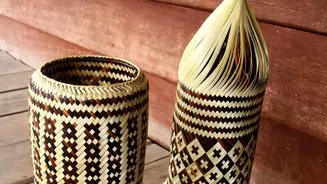
Beyond textiles, Nagaland's artisans are masters of woodcarving and bamboo craft. Woodcarving, traditionally a male domain, is prominent among tribes like the Konyak and Phom. Using simple tools, craftsmen create everything from household items like mugs and spoons to massive village gates and house pillars, often decorated with motifs of hornbills, elephants, and human figures. Bamboo and cane, found in abundance, are transformed into a staggering array of functional and beautiful objects. The Angami tribe is particularly known for its skilled basketry, creating durable baskets for carrying goods and agricultural produce. These natural fibres are also used to make everything from furniture and mats to fish traps and musical instruments, showcasing a deep connection to the land and its resources.
The Soul of Naga Cuisine
Naga food is a bold and flavourful adventure, deeply rooted in local ingredients and traditional preservation methods like smoking, drying, and fermenting. The cuisine is defined by a few key ingredients that give it a unique and powerful character. Bamboo shoots, whether fresh, dried, or fermented, lend a distinct aroma and sourness to many dishes. Perhaps the most famous ingredient is 'axone' or 'akhuni', a fermented soybean product with a strong, pungent aroma and a deep umami flavour. It's a staple used to enrich stews and chutneys, especially with smoked pork. Another key component is 'anishi', which are fermented taro leaves used by the Ao tribe to add flavour to pork dishes. And no Naga meal is complete without a kick from the legendary Naga King Chilli, one of the hottest chillies in the world.
A Feast for the Adventurous Palate
To truly experience Nagaland, one must dive into its signature dishes. Smoked pork is a cornerstone of the cuisine, often cooked in a hearty stew with bamboo shoots or axone for a rich, smoky, and savoury flavour. 'Galho', the Naga version of khichdi, is a comforting, soupy mix of rice and vegetables, often enriched with smoked pork fat. For a lighter but equally traditional meal, 'Hinkejvu' is a simple boiled stew made with colocasia, cabbage, and mustard leaves, seasoned with just a pinch of salt to let the natural vegetable flavours shine. Another fascinating preparation is fish cooked inside a hollow bamboo tube, which steams the fish and infuses it with a subtle, woody aroma. To accompany these meals, locals enjoy 'Zutho', a traditional fermented rice beer with a fruity aroma and sour taste.
Where to Experience it All
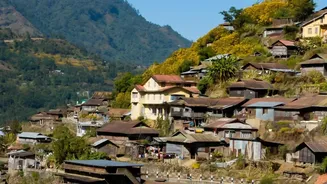
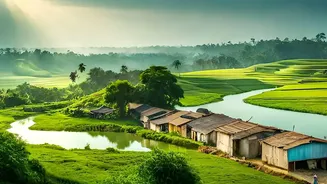
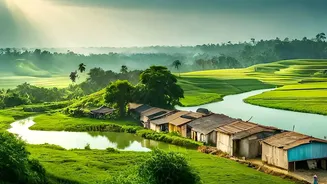
To immerse yourself in Naga culture, head to the capital city, Kohima, a hub where tradition meets modernity. Explore its local markets for crafts and food. Nearby, the village of Khonoma, known as Asia's first 'green village', offers a look into sustainable living and Angami culture. For a concentrated dose of culture, nothing beats the Hornbill Festival, held every year from December 1st to 10th at the Kisama Heritage Village near Kohima. Dubbed the 'Festival of Festivals', it brings all of Nagaland's tribes together for a spectacular showcase of folk dances, indigenous games, food fairs, and craft exhibitions. Here, you can wander through traditional tribal huts ('morungs'), buy crafts directly from artisans, and sample a wide array of Naga dishes all in one place.