






Amazon is embarking on a landmark initiative to electrify its middle-mile logistics in India, starting with heavy-duty electric trucks. This move signals a major shift toward sustainable e-commerce and could reshape the future of freight in the nation.
A Greener Route for E-Commerce
Amazon India is taking a significant step in its journey toward sustainability by integrating all-electric heavy-duty trucks into its logistics network. This initiative, part of the company's global commitment to achieve net-zero carbon emissions by 2040, marks a pivotal moment for India's freight industry. The company has begun deploying these trucks for transporting customer packages between its fulfillment centers and sortation hubs. The initial phase has seen these powerful electric vehicles hit the roads in the Delhi-NCR region, with ambitious plans to expand their operations across a critical commercial artery.
Why This 'Golden Triangle'?
The planned expansion focuses on the Delhi-Bengaluru-Chennai corridor, a route that forms a 'golden triangle' for Indian commerce. This corridor connects the country's northern heartland with its southern technology and manufacturing hubs, handling a massive volume of goods. Electrifying this route is a strategic decision. It targets the busiest and most carbon-intensive part of the supply chain—the middle mile. By replacing diesel trucks on these long-haul journeys, Amazon aims to make a substantial dent in its carbon footprint while also potentially lowering long-term operational costs as fuel prices continue to be volatile. Success on this corridor would create a blueprint for electrifying other major freight routes across the country.
The Technology Powering the Fleet
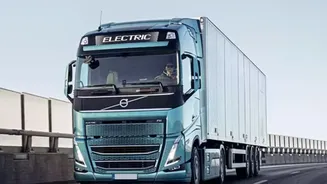
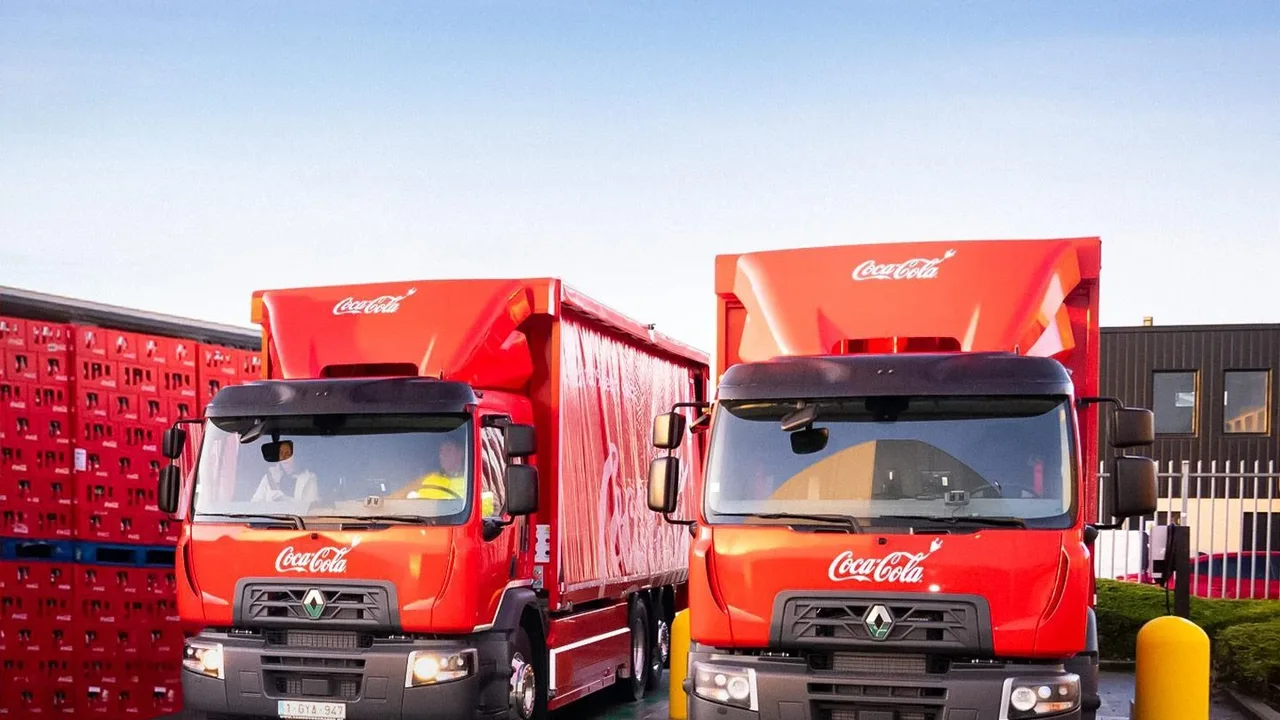
To achieve this, Amazon has partnered with global truck manufacturer Volvo to introduce its heavy-duty FM Electric trucks to India. These are not small delivery vans; they are 44-ton behemoths designed for serious hauling. The trucks have a range of up to 300 kilometers on a single charge, making them suitable for hub-to-hub transportation legs. A single trip with one of these electric trucks can transport approximately 100 cubic meters of cargo. The rollout represents the first commercial deployment of heavy-duty electric trucks of this scale in India, setting a new benchmark for what is possible in sustainable logistics.
Overcoming India's EV Hurdles
The path to a fully electric freight corridor is not without its challenges. The primary obstacle is the limited range of the trucks relative to the vast distances they need to cover. A 300nd kilometer range means that multiple charging stops will be required for a journey from Delhi to Bengaluru. This necessitates the development of a robust and reliable network of highnd power charging stations along the highways, capable of quickly recharging these massive vehicles. Amazon and its partners will need to invest heavily in this infrastructure, addressing issues of grid stability, land acquisition for charging depots, and standardization of charging technology to ensure seamless longhaul operations.
More Than Just Delivering Packages
This initiative's impact extends far beyond Amazon's own operations. By committing to electric freight, the company is sending a powerful signal to the entire Indian logistics market. It can accelerate the development of a broader EV ecosystem, encouraging truck manufacturers, charging infrastructure companies, and policymakers to invest in the future of electric mobility. This move aligns with India's national goals of reducing dependency on fossil fuels and promoting electric vehicles. As one of the largest ecommerce players, Amazon's actions can create a ripple effect, inspiring other companies to explore and adopt greener transportation solutions for their own supply chains.