

Visa Fee vs. Visa Bond: What's the Difference?
Before diving into the timeline, it's essential to understand the distinction between two key costs. A visa application fee, also known as the MRV fee, is a standard, non-refundable payment that every applicant makes to cover the cost of processing their
visa application. It doesn't guarantee approval. A visa bond, on the other hand, is a refundable security deposit. It acts as a financial guarantee that a visitor will adhere to the terms of their visa, specifically that they will depart the United States on time. If the traveller complies, the bond is returned; if they overstay or violate other conditions, the money is forfeited to the US government.
The Origin: A Tool to Combat Overstays
The legal authority for consular officers to require bonds has existed for a long time under the US Immigration and Nationality Act but was rarely used. The idea gained prominence under the Trump administration as a tool to deter visitors from overstaying their authorised period of admission. A first attempt at a visa bond program was made in late 2020, but it was not fully implemented due to the global travel slowdown caused by the COVID-19 pandemic. The stated goal was to create a financial incentive for compliance and hold visitors accountable for departing when required.
The 2025-2026 Pilot Program
The concept was revived and formally launched as a one-year pilot program on August 20, 2025. Initially, the program required certain applicants for B-1 (business) and B-2 (tourist) visas to post a refundable bond of $5,000, $10,000, or $15,000. This program was targeted at nationals from countries with visa overstay rates exceeding 10%. Over the course of the pilot, the list of affected countries grew to 50, with a significant number located in Africa, along with some nations in Asia, the Caribbean, and Latin America. India has not been included on this list.
A Permanent Policy with Higher Stakes
Just before the pilot was set to expire, the US Department of State announced on August 3, 2026, that the visa bond program would be made permanent. Citing a dramatic drop in visa overstays from the targeted countries—from over 45,000 in fiscal year 2024 to fewer than 50 during the pilot's first 10 months—the department deemed the program a success. With the permanent rule, the bond amounts were also increased. The new tiers are set at $10,000, $15,000, or $20,000, with consular officers determining the specific amount for each applicant.
The Impact and What It Means for Travellers
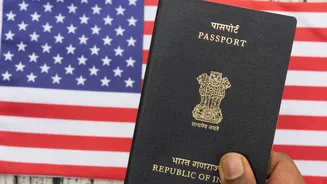
For citizens of the 50 countries currently on the list, the policy represents a significant financial barrier to visiting the US. Data from the pilot program showed that visa issuances to these nations fell by 83%, and nearly half of the applicants who were asked to pay a bond chose not to proceed. For Indian nationals, there is no immediate change; the standard visa application process remains in effect. However, the US government has the authority to add new countries to the list with as little as 15 days' notice, making it a policy to watch for all international travellers. Critics, including the U.S. Travel Association, have warned that broadening the program could have a detrimental effect on the US economy and discourage legitimate tourism.