


The Humble Grain's Big Comeback
For generations, ragi, or finger millet, has been a cornerstone of Indian diets, especially in southern states like Karnataka. Revered for its resilience and ability to thrive in dry conditions, this tiny, reddish-brown grain was the fuel for farmers
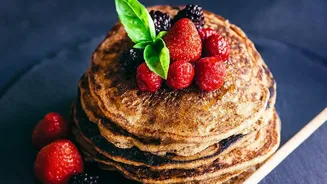
and families long before 'superfood' became a buzzword. While it was traditionally used to make porridge (kali or mudde) and flatbreads (roti), ragi is now making a well-deserved return to modern Indian kitchens. Its revival is powered by a renewed appreciation for local, nutrient-dense ingredients. And what better way to reintroduce this powerhouse than in the form of a universally loved dish: the pancake?
Why Your Breakfast Needs Ragi
Swapping refined flour for ragi is more than just a culinary experiment; it's a significant nutritional upgrade. Ragi stands out as one of the best plant-based sources of calcium, crucial for maintaining strong bones. It's also packed with iron, which helps combat fatigue and anaemia, a common concern. But the benefits don't stop there. The grain is naturally gluten-free, making it an excellent choice for those with gluten sensitivities. Furthermore, ragi is rich in dietary fibre. This fibre aids digestion, helps you feel full for longer (which can support weight management), and has a low glycemic index, meaning it helps regulate blood sugar levels rather than causing sharp spikes.
Crafting the Perfect Ragi Pancake
Making ragi pancakes is surprisingly simple, but a few key principles will ensure you get a soft, enjoyable stack every time. The core of your batter will be ragi flour, a liquid like milk or buttermilk, and a binding agent. A mashed ripe banana is a fantastic natural sweetener and binder, but an egg or a bit of yogurt also works well. To get that desirable fluffiness, a leavening agent like baking powder or a pinch of baking soda is essential. Many recipes suggest combining ragi with a small amount of whole wheat flour (atta) to lighten the texture, as ragi on its own can be dense. For sweetness, you can turn to jaggery, honey, or date paste instead of refined sugar, which complements ragi's natural, earthy flavour.
Tips for Fluffy, Flavourful Results
The secret to great ragi pancakes lies in the technique. First, don't overmix the batter. Once the wet and dry ingredients are just combined, stop mixing. A few lumps are perfectly fine. Letting the batter rest for 5-10 minutes before cooking can also improve the texture, allowing the flour to hydrate. Cook your pancakes on a non-stick tawa or griddle over medium heat. Pour the batter and wait for bubbles to appear on the surface and pop before flipping. This indicates the first side is cooked through. Since ragi flour is dark, the pancakes will naturally have a deep brown colour, so use the bubbles as your primary cue rather than waiting for them to turn 'golden brown'.
Pairings That Complete the Plate
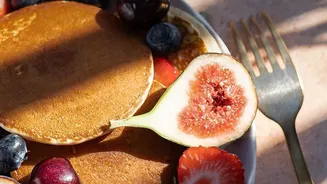
Ragi's slightly nutty, malty taste is a wonderful canvas for a variety of toppings and flavours. Embrace traditional Indian spices by adding a pinch of cardamom or cinnamon powder to the batter. Instead of maple syrup, try a drizzle of liquid jaggery or golden honey. Fresh fruits are a must; sliced bananas, juicy mangoes, or a handful of pomegranate seeds add brightness and freshness. For a bit of crunch, top your stack with toasted almonds or walnuts. Serving them hot with a dollop of ghee is a simple but incredibly satisfying way to enjoy this modern take on a traditional grain.