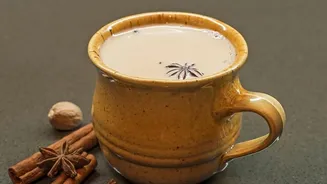







What is Sulaimani Chai?
Unlike the creamy, spice-heavy masala chais common across India, Sulaimani Chai is defined by its elegant simplicity. It is a light, clear black tea, brewed to a perfect shade of amber or deep gold. Served hot and without a drop of milk, its core components
are black tea, hot water, a sweetener like sugar or jaggery, and a final, transformative squeeze of fresh lemon juice. The flavour is a delicate balance of bold tea, gentle sweetness, and a sharp, citrusy tang that cleanses the palate. While the base is simple, regional and personal variations often include fragrant spices like green cardamom, cloves, and cinnamon, and sometimes a sliver of ginger or fresh mint leaves.
A Journey from Arabia to Malabar
The story of Sulaimani Chai is a captivating tale of cultural exchange that stretches back centuries. Its origins are traced to an ancient Arabian beverage called 'ghava,' a warming drink made with dates and black pepper, which was enjoyed during the time of Prophet Mohammed. As Arab traders established strong maritime routes with India's Malabar Coast, they brought this tradition with them. Over generations, this drink was adopted and transformed by the local culture in Kerala. The original dates were often replaced with local sugar, tea leaves were introduced into the brew, and the region's abundant spices were added to the mix. The name itself, 'Sulaimani,' is derived from the Arabic word for 'man of peace,' believed to be a nod to the harmonious relationship between the Arab merchants and the people of Malabar.
The Perfect Post-Meal Digestive
In Kerala, particularly in the Malabar region, Sulaimani Chai holds a special place as the perfect conclusion to a heavy meal. It is famously served after rich, decadent dishes like Malabar biryani. Its lightness and the digestive properties attributed to the ginger, lemon, and spices make it an ideal palate cleanser. At weddings and festive gatherings in the Mappilah Muslim community, no matter how elaborate the feast, there is always room for a small glass of Sulaimani. It’s believed to help settle the stomach, offering a comforting and refreshing finish to a grand culinary experience.
How to Brew the Golden Tea
Making Sulaimani Chai is a straightforward process focused on infusion. It begins with boiling water with lightly crushed whole spices like cardamom pods, cloves, and a small stick of cinnamon to release their aromatic oils. Grated ginger can also be added for extra warmth. After a few minutes of simmering, the heat is turned off, and black tea powder or leaves are added to steep for just a couple of minutes—over-boiling the tea can result in a bitter taste. The tea is then strained into glasses, sweetened to taste, and, crucially, finished with a squeeze of fresh lemon juice just before serving. Some variations also call for dropping a few fresh mint leaves into the glass for an added layer of freshness.
A Cultural Icon
Sulaimani Chai is more than just a recipe; it's a cultural symbol of Malabar's hospitality and layered history. Its popularity was further cemented in modern culture by the acclaimed 2012 Malayalam film 'Ustad Hotel'. In a memorable scene, the grandfather explains that every glass of Sulaimani needs 'a bit of Mohabbat' (love) in it, a sentiment that beautifully captures the drink's essence. This iconic tea, once a simple beverage of traders, has become a cherished ritual, a symbol of friendship, and a liquid narrative of Kerala’s rich, multicultural past.