






The Balcony Rain Paradox
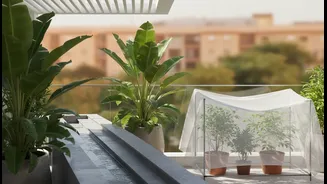
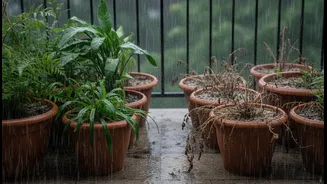
It seems illogical, but it’s a common issue for urban gardeners. Not all pots receive the same amount of rain. A balcony's overhang, combined with wind, creates a 'rain shadow' effect, where plants closer to the building or tucked into corners get very
little water. Meanwhile, those on the exposed edge can be deluged. Dense foliage can also act like an umbrella, shedding water over the sides of the pot and leaving the soil and roots beneath completely dry. The result is a confusing mix of needs that requires a hands-on approach, even when it’s pouring outside.
Beware the Drowning Plant
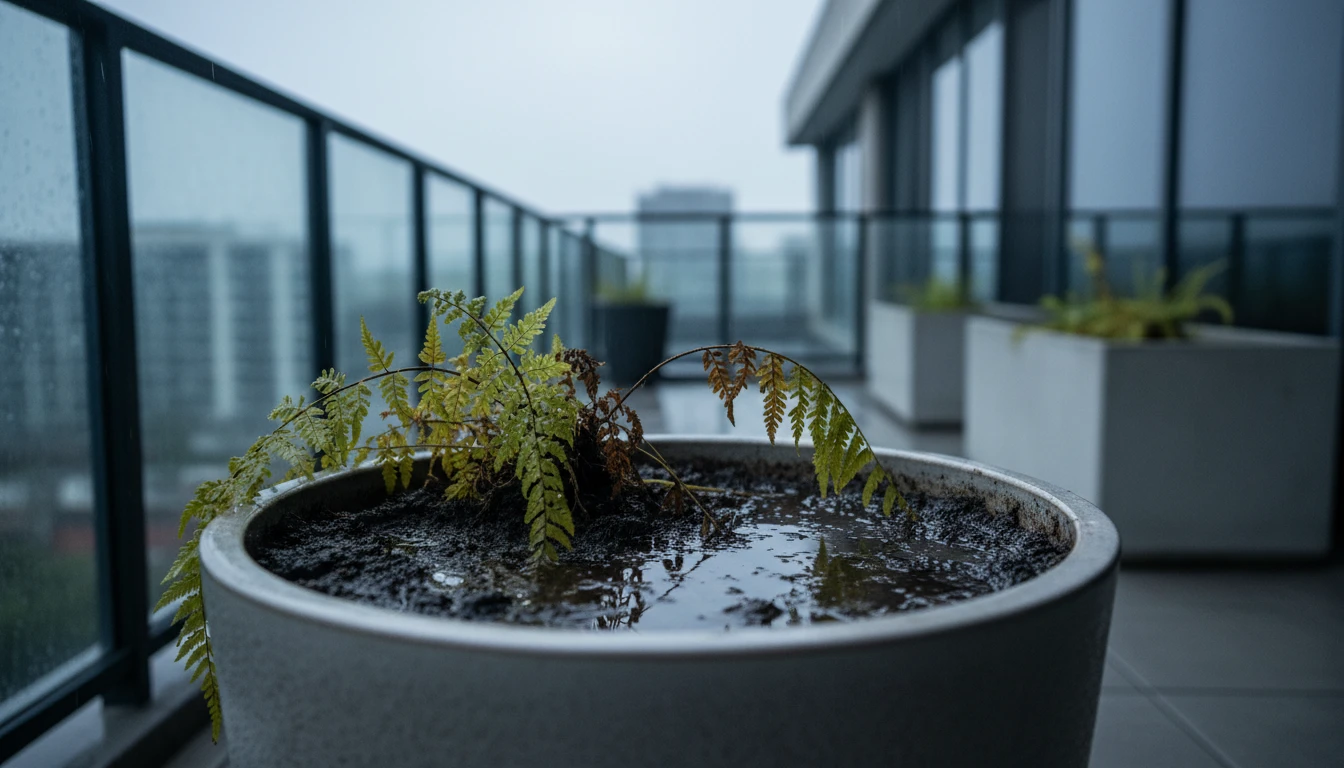
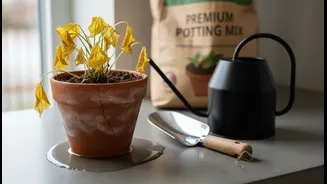
Overwatering is the number one killer of potted plants, and the monsoon makes it dangerously easy. When a pot’s drainage hole is clogged or non-existent, water saturates the soil, suffocating the roots by cutting off their oxygen supply. This leads to root rot, a fungal disease that quickly turns healthy, white roots into a brown or black, mushy mess. The most common signs of an overwatered plant are wilting despite wet soil, and leaves turning yellow or brown and feeling soft, not crispy. You might also notice a musty or foul smell coming from the pot, a sure sign of decay.
Thirsty in a Downpour
On the other end of the spectrum is the pot that remains mysteriously dry. This often happens when the potting mix, especially one high in peat moss, has dried out completely at some point. It becomes hydrophobic, meaning it actively repels water. When it rains, the water simply runs down the gap between the shrunken soil and the pot's inner wall, exiting through the drainage hole without ever soaking the root ball. The pot feels light even after a downpour, and the plant will show classic signs of underwatering, like wilting and crispy brown leaf edges, leaving you wondering what went wrong.
Your Best Tool: The Finger Test
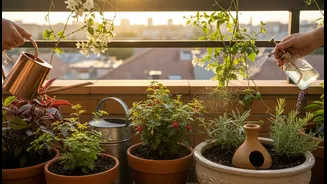
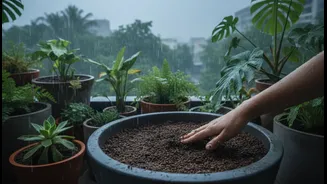
The only way to know for sure what’s happening in each pot is to check. Forget watering on a fixed schedule during the rainy season. Instead, rely on the finger test. Stick your index finger about an inch or two into the soil. If it feels moist, leave it alone. If it feels dry, it needs water, regardless of the weather. This simple, tactile check cuts through all the guesswork and tells you exactly which plants need your attention. For pots that feel hard on top, gently loosening the surface soil can help improve aeration and water absorption.
A Strategy for Drainage
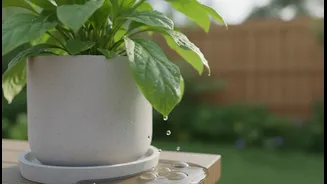
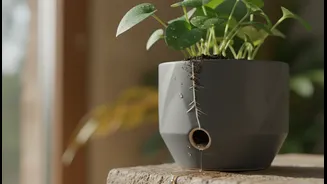
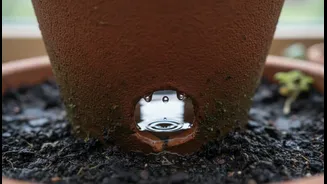
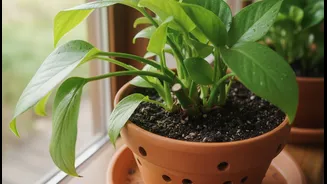
Good drainage is non-negotiable for container gardening, especially during the monsoon. Ensure every pot has at least one, preferably multiple, drainage holes. During periods of heavy rain, it’s wise to remove the saucers that sit under pots, as they collect excess water and keep the roots submerged. A simple but highly effective trick is to elevate your pots using pot feet, bricks, or even simple stones. This small gap allows water to escape freely and increases airflow, dramatically reducing the risk of root rot.
Smarter Potting and Placement
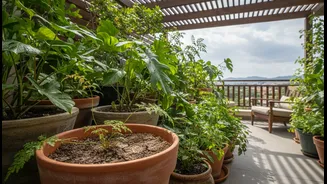
The type of pot you use also matters. Porous materials like terracotta allow soil to dry out faster, making them a safer choice for plants prone to overwatering. Plastic pots retain moisture longer. During the rainy season, consider moving water-sensitive plants to a more sheltered part of the balcony to protect them from constant downpours. Spacing your plants out to improve air circulation can also help leaves and soil dry faster, preventing fungal diseases that thrive in damp, stagnant conditions.