





Crowning the Leader in Tourism
Japan has reclaimed the top position in the World Economic Forum's 2026 Travel & Tourism Development Index, ranking first among 110 economies. This influential report assesses the factors and policies that make a country attractive for travel and tourism
development. After placing third in the 2024 index, Japan climbed back to the top, surpassing the United States and Spain. The ranking isn't just about visitor numbers; it evaluates the underlying conditions that enable a robust and sustainable tourism sector, from infrastructure and safety to cultural resources and environmental policies. Japan's high score is a testament to its long-term investment in creating an exceptional environment for travelers.
World-Class Infrastructure and Safety
A key pillar of Japan's success is its outstanding infrastructure. The country is renowned for its hyper-efficient and punctual public transportation system, most famously the Shinkansen (bullet train), which makes cross-country travel fast and seamless. This network of trains, alongside clean and accessible urban transit systems, allows tourists to navigate the country with remarkable ease. Furthermore, Japan is consistently ranked as one of the world's safest countries. The low crime rates, combined with a general culture of respect and hospitality, known as 'omotenashi,' create a secure and welcoming atmosphere for visitors. This sense of safety and order is a major draw for international tourists, allowing them to explore with peace of mind.
A Treasure Trove of Culture and Nature
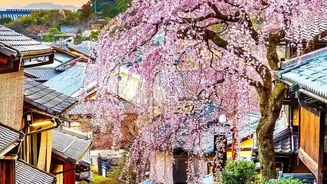
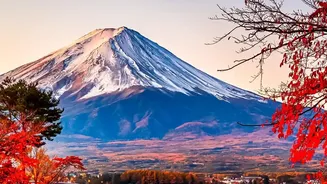
Japan's rich cultural and natural resources are a significant factor in its top ranking. The country boasts an incredible 26 UNESCO World Heritage Sites, ranging from the historic monuments of ancient Kyoto and Nara to the iconic Himeji Castle and the serene shrines of Nikko. This blend of ancient temples, samurai heritage, and feudal castles provides a deep dive into the nation's history. Beyond historical sites, Japan offers a vibrant modern culture, from the pop-culture hubs of Akihabara and Harajuku to world-renowned cuisine. This is complemented by diverse natural landscapes, including the sacred Mount Fuji, the lush forests of Yakushima, and the unspoiled Shiretoko Peninsula, offering a wide array of experiences for every type of traveler.
Strategic Management of Tourism
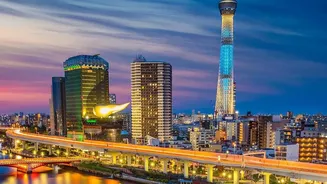
In recent years, Japan has faced the challenge of "overtourism," with visitors flocking to major hubs like Tokyo and Kyoto. However, a key reason for its improved 2026 ranking is its successful strategy to manage this influx. Authorities and tourism bodies have been actively promoting travel to lesser-known regions, encouraging tourists to explore beyond the well-trodden paths. This effort to disperse visitors helps reduce the strain on major cities while spreading the economic benefits of tourism more widely across the country. By developing and promoting attractions in rural areas, Japan is creating a more sustainable and balanced tourism model for the future.
Challenges and the Road Ahead
Despite its top ranking, Japan faces ongoing challenges. While the weak yen has made the country more affordable for many international visitors, there are concerns about price competitiveness and labor shortages in the hospitality industry. Additionally, improving environmental sustainability remains a priority, with efforts underway to reduce emissions and promote eco-friendly practices in tourist areas. The government is also focused on promoting digitalization within the tourism sector to enhance visitor experiences and operational efficiency. By addressing these issues, Japan aims to not only maintain its leading position but also to ensure the long-term health and viability of its tourism industry.