








A Gateway to the Roof of the World
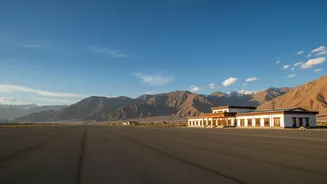
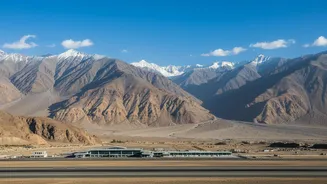
At 3,256 metres (10,682 feet) above sea level, Kushok Bakula Rimpochee Airport in Leh holds the title of India's highest commercial airport. For years, it has served as the primary aerial link to the stunning and strategically vital region of Ladakh.
However, with tourism booming and the region's geopolitical importance growing, the existing infrastructure has been stretched to its limits. The current terminal, while functional, struggles to handle the increasing flow of tourists and military personnel, creating congestion and limiting the number of daily flights. This bottleneck highlighted the urgent need for expansion, paving the way for a transformative project.
What the New Terminal Offers
The upcoming terminal, constructed by the Airports Authority of India (AAI) at a cost of approximately ₹640 crore, is a significant upgrade. Spread across nearly 19,000 square metres, the facility is designed to handle up to 3.5 million passengers annually, a massive jump from the current capacity. During peak hours, it will accommodate 2,000 passengers. Key features include 20 check-in counters, modern in-line baggage handling systems, 15 lifts, 12 escalators, and three aerobridges. Perhaps most crucially, the airport's operational capacity will triple, from handling around 18 flights a day to a potential 54. This will dramatically improve connectivity and reduce travel bottlenecks, especially during the peak tourist season.
Architecture Meets Heritage
The new terminal is not just a concrete structure; it's designed to be a cultural landmark. Its architecture is deeply inspired by Ladakhi traditions and Buddhist philosophy. The design incorporates motifs from local monasteries, stupas, and prayer wheels, offering visitors an authentic glimpse of the region's rich heritage the moment they arrive. Beyond aesthetics, the building is a marvel of sustainable engineering. It is set to be India's first airport powered by a hybrid geothermal and solar energy system. A large-scale geothermal system will provide heating and cooling — a pioneering effort in India — while a 700 kWp rooftop solar plant will generate clean electricity. These features have earned the project a target of a 4-star GRIHA rating for sustainability.
An Engineering Feat at High Altitude
Constructing a large-scale project in Leh presents formidable challenges. The construction window is limited to about six months a year due to the harsh winter, when temperatures can plummet dramatically. The high altitude and extreme climate, with temperatures ranging from freezing lows to summer highs, demand specialised construction techniques and materials. Logistical hurdles, including transporting materials through difficult mountain passes, add another layer of complexity. The project, whose foundation stone was laid in February 2019, has navigated these difficulties and pandemic-related delays to reach its final stages. Recent reviews by officials indicate the project is over 80% complete, with a concerted push to finish the remaining work. The latest official timelines point toward a completion date around August 2026, though officials are pushing for an earlier finish by July 2026.
Boosting Tourism and Strategic Depth
The new terminal's impact will be twofold. For the local economy, which is heavily reliant on tourism, the expanded capacity is a game-changer. Easier access and better facilities will likely lead to a significant increase in tourist footfall, providing a major boost to hotels, tour operators, and local artisans. At the same time, the airport serves a critical strategic purpose. As a dual-use military and civilian airfield, it is essential for troop movement and logistical support for the Indian Armed Forces in a sensitive border area. The expansion, which includes adding four new aircraft bays for a total of six, will enhance the military's operational readiness and logistical capabilities in the high-altitude region.