


The Heart of the Matter: Zumba as Cardio
At its core, traditional Zumba is a high-energy aerobic workout. The entire class is structured around alternating between high-intensity and lower-intensity dance moves, which effectively functions as interval training. This is fantastic for your cardiovascular
system. A landmark study commissioned by the American Council on Exercise (ACE) found that during a typical Zumba class, participants' heart rates reached an average of 80% of their maximum. This falls squarely within the recommended intensity for improving cardiovascular fitness. The study also revealed that participants burned an average of 9.5 calories per minute, totaling around 369 calories in an average class—more than cardio kickboxing or step aerobics. These benefits aren't just numbers; regular participation can lead to a lower resting heart rate, reduced blood pressure, and better cholesterol levels, all contributing to long-term heart health.
The Missing Piece: Why It's Not a Strength Workout
While Zumba engages your legs, glutes, and core, it's primarily a cardio workout focused on endurance, not strength. True strength training requires a principle called progressive overload, which means gradually increasing the resistance your muscles work against. This is what stimulates muscle fibres to repair and grow stronger. Standard Zumba classes, which are bodyweight-based, don't provide the necessary resistance to trigger significant gains in muscle mass or strength. You'll certainly develop some muscular endurance from all those dance moves, but it won't replace a dedicated strength-training regimen. It's important to understand this distinction: cardio strengthens your heart and lungs, while strength training builds and maintains muscle and bone density.
Defining Strength Training's Role
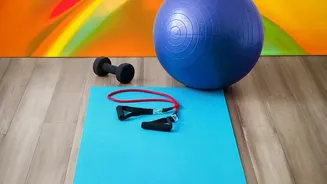
So, what does a proper strength workout look like? It involves using resistance to challenge your muscles. This can come from free weights like dumbbells and barbells, weight machines, resistance bands, or your own bodyweight in exercises like push-ups and squats. The benefits are distinct from cardio and crucial for overall health. Strength training increases your muscle mass, which in turn boosts your resting metabolism, meaning you burn more calories even when you're not exercising. It also improves bone density, which is vital for preventing osteoporosis, and enhances joint stability, reducing the risk of injury in all your activities—including Zumba. This isn't about getting 'bulky'; it’s about building a stronger, more resilient and metabolically active body.
Building a Balanced Fitness Routine
The good news is that you don't have to choose between the joy of Zumba and the benefits of strength training. The two are complementary and create a well-rounded fitness plan. A balanced weekly schedule might include two to three Zumba classes for your cardiovascular health and enjoyment, paired with two dedicated strength training sessions. For example, you could attend Zumba on Mondays and Fridays, and lift weights or do a bodyweight strength circuit on Wednesdays and Sundays. This approach ensures you're strengthening your heart, building and maintaining muscle, and giving your body the variety it needs to prevent plateaus and reduce injury risk. Some Zumba formats, like Zumba Toning or the newer Zumba + Lift, do incorporate light weights or resistance bands, offering a way to blend the two activities.