





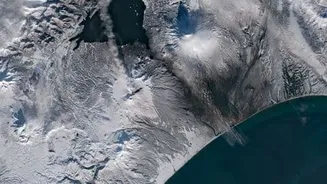
The Child of Krakatau Roars Again
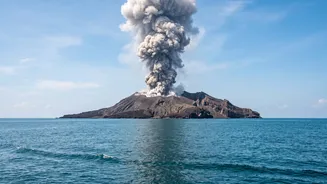
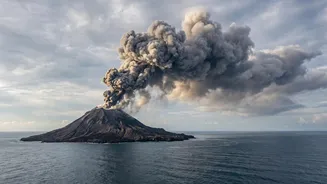
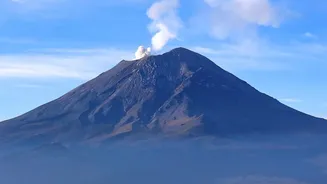
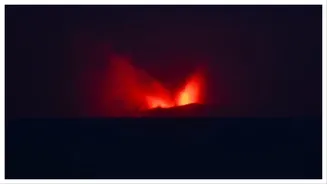
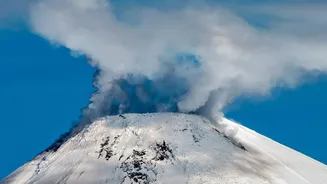
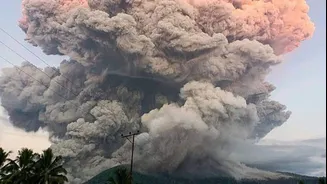
Situated in the Sunda Strait between the islands of Java and Sumatra, Anak Krakatau, or “Child of Krakatau,” began a powerful eruptive phase on Friday, September 4, 2026. The activity, which included lava fountains and a continuous eruption lasting 25
hours, sent plumes of volcanic ash soaring to altitudes of up to 50,000 feet (15,000 meters). Indonesia's Geological Agency had raised the alert status for the volcano to Level III (Alert) back in July and maintained it, recommending a three-kilometer exclusion zone around the active crater. While authorities have stated there is no immediate tsunami risk, the primary and most widespread impact has been on aviation.
A Plume of Chaos for Air Travel
The timing and direction of the ash cloud created a perfect storm for air travel in one of Southeast Asia's busiest corridors. The ash drifted directly over western Java, forcing the temporary closure of at least eight airports, including Jakarta's main hub, Soekarno-Hatta International Airport. By September 8, the disruption had affected an estimated 341,000 passengers and nearly 3,000 domestic and international flights. Airlines such as Singapore Airlines cancelled and rescheduled numerous services, mounting additional relief flights to help stranded customers. The Indonesian government ordered five alternative airports to operate 24 hours a day to help manage the immense backlog of travellers.
Why Ash and Engines Don't Mix
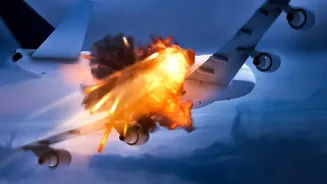
Volcanic ash is not like the soft soot from a fire; it is comprised of tiny, sharp particles of pulverized rock and glass. For a modern jet aircraft, flying through an ash cloud is catastrophic. The abrasive particles can sandblast cockpit windows, damage flight control surfaces, and clog the sensitive pitot tubes that measure airspeed. The most critical danger, however, lies within the engines. Modern jet engines operate at temperatures high enough to melt the ash particles, which then fuse into a glassy coating on vital components like turbine blades and fuel nozzles. This can block airflow, causing the engine to surge and lose power, potentially leading to a complete flame-out.
The Precautionary Principle in Action
The aviation industry learned this lesson the hard way. In 1982, a British Airways Boeing 747 flew into an ash cloud from Mount Galunggung in Indonesia and lost power in all four engines, gliding for 16 minutes before the crew managed to restart them. A similar incident occurred in 1989 with a KLM flight over Alaska. These near-disasters led to the global protocols now in place. Specialized Volcanic Ash Advisory Centres (VAACs) around the world, like the one in Darwin that monitors Indonesia, use satellite data and modelling to track plumes. When a significant ash cloud is detected, the only safe response is avoidance. The widespread flight cancellations, while immensely frustrating for passengers, are a direct application of this non-negotiable safety-first principle.
An Unpredictable Future
Indonesia sits on the Pacific “Ring of Fire,” a region of intense seismic and volcanic activity, making eruptions like this a recurring challenge. While the main eruptive episode from Anak Krakatau has subsided for now, authorities note that the probability of subsequent eruptions remains high. For the aviation industry and the millions who travel through the region, it's a permanent state of vigilance. The recent events highlight the constant tension between our reliance on air travel and the untamable forces of the planet. Advances in detection and communication have made flying safer, but they have not eliminated the disruption caused when a volcano decides to roar.