






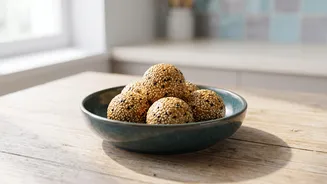
The buzz around 'super seeds' like flax and chia for heart health is undeniable. But a 2025 review highlights a crucial distinction: the science supporting single foods is often weak, pointing to a more powerful truth about our health.
The Science of 'Low Certainty'
The headline refers
to a type of scientific conclusion that is becoming more common in nutrition: 'low certainty' or 'low quality' evidence. While I couldn't locate a single, specific 2025 review matching the headline's exact description, the sentiment reflects a broader consensus in nutritional science. For instance, reviews often find that while individual foods like nuts and seeds show promise, the overall certainty of evidence can be low. This doesn't mean the food is useless; it means the studies available may be small, short-term, inconsistent, or designed in a way that makes it hard to prove a direct cause-and-effect link. The scientific community, including bodies like the American Heart Association, increasingly uses frameworks like GRADE to assess evidence, which often reveals that the dramatic claims made for single 'superfoods' aren't supported by high-certainty proof.
Why One Food Is Not a Magic Fix
Our bodies don't run on isolated ingredients. The focus on a single 'super seed' is an example of nutritional reductionism—the idea that a food's value comes down to one or two star compounds. But health doesn't work that way. We eat meals, not just nutrients. The thousands of compounds in our food interact with each other and our bodies in complex ways. A handful of seeds is part of a larger daily diet that might also include processed snacks, sugary drinks, or fried foods. The effects of the seeds can easily be overshadowed by the rest of the diet. This is why nutritional research has been shifting its focus away from single foods or nutrients and toward the bigger picture.
The Power of the Overall Pattern
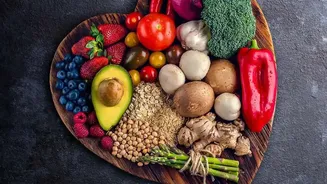
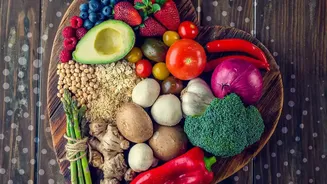
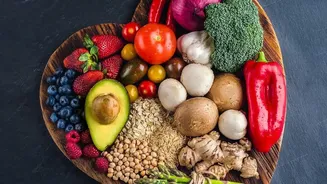
The real key to heart health lies in your overall dietary pattern. This is the consistent, long-term combination of foods you eat. Esteemed health organisations worldwide, including the American Heart Association, now emphasize this approach. Dietary patterns like the Mediterranean diet, the DASH diet, or traditional plant-forward diets consistently show strong links to better cardiovascular outcomes. These patterns aren't about one magic ingredient but about a symphony of beneficial foods: plenty of vegetables, fruits, whole grains, and healthy proteins like legumes, nuts, and fish, while limiting processed foods, excess sugar, and unhealthy fats. The benefits come from the combined, synergistic effect of all these foods working together.
So, What Is the Role of Seeds?
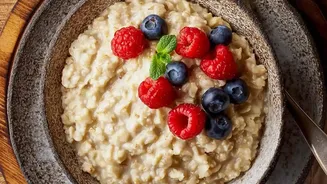
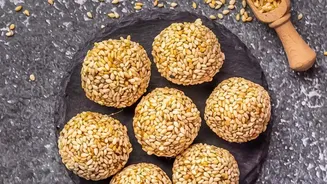
This doesn't mean you should throw out your flax, chia, or pumpkin seeds. They are genuinely nutritious. Seeds are packed with fibre, healthy unsaturated fats, protein, and important micronutrients. Regularly eating nuts and seeds is part of a heart-healthy dietary pattern and is associated with a lower risk of heart disease. The key is to see them as a valuable component of a healthy diet, not as a solo saviour. They are a supporting actor, not the lead star. Adding a spoonful of chia seeds to a bowl of processed cereal won't magically make the meal healthy. But including them in a bowl of oatmeal with fruit, or sprinkled on a vibrant salad, contributes to the overall nutritional quality of your meal.
Building a Heart-Healthy Plate
Instead of chasing the latest superfood trend, focus on building a better plate every day. For a heart-healthy eating pattern that resonates well with Indian dietary habits, prioritize variety. Fill your plate with colourful vegetables and seasonal fruits. Swap refined grains like white rice or maida for whole grains like whole wheat, oats, millets (jowar, bajra, ragi), and brown rice. Emphasize plant-based proteins such as dal, chana, rajma, and soy. Use healthy fats from sources like mustard oil, groundnut oil, nuts, and seeds, while limiting ghee, butter, and processed oils. The goal is not perfection, but a consistent pattern of choosing whole, minimally processed foods over ultra-processed options that are often high in salt, sugar, and unhealthy fats.