




A Land of Heritage and Flavour
Karaikudi is the unofficial capital of the Chettinad region, an area historically home to the Nattukottai Chettiars, a prosperous banking and merchant community. Their travels across Southeast Asia in the 19th and 20th centuries did more than build immense
wealth; they created a unique cultural fusion. This legacy is visible in the palatial mansions with Burmese teak pillars and Belgian glass, and more importantly, it lives on in the kitchen. Chettinad cuisine is a direct reflection of this history—a masterful blend of local South Indian staples with spices and influences from places like Burma, Malaysia, and Vietnam. It’s a cuisine born from trade, travel, and a deep appreciation for bold, complex flavours.
The Anatomy of Chettinad Flavour
What makes Chettinad food so distinctive is not just heat, but layers of aroma and taste. The secret lies in the spice blends, or masalas, which are traditionally made fresh for each dish by dry-roasting and stone-grinding whole spices. Key players include black peppercorns (the original source of heat before chillies became common), star anise, cinnamon, cloves, and fennel seeds. But the soul of many Chettinad dishes comes from two unique ingredients: kalpasi, or black stone flower, a lichen that imparts a smoky, earthy depth, and marathi moggu, or kapok buds, which add a peppery, floral note. Tamarind provides tang, while generous amounts of shallots and garlic build a sweet, pungent base.
More Than Just Chicken Chettinad
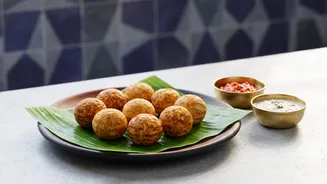
While Chicken Chettinad is the region's most famous ambassador, the cuisine is incredibly diverse. For non-vegetarians, there's Mutton Chukka Varuval, a dry-fried dish where tender mutton pieces are coated in a thick, peppery masala. Seafood also features prominently, with dishes like Eral Thokku (a spicy prawn masala) and tangy Meen Kuzhambu (fish curry). The vegetarian spread is equally robust and flavourful. Dishes like Kuzhi Paniyaram—soft, fluffy rice batter balls cooked in a special mould—can be sweet or savoury. Vendakkai Mandi, an okra curry made with tamarind and rice water, offers a unique rustic taste, while Urulai Varuval presents potatoes roasted to perfection with a spicy coating.
Bringing Chettinad into Your Kitchen
Recreating Chettinad flavours at home is a rewarding journey that hinges on a few core principles. First, invest in whole spices and toast them yourself. Dry-roasting spices like coriander seeds, cumin, fennel, and peppercorns before grinding them awakens their essential oils and is the single most important step for achieving an authentic aroma. Don't be shy with pepper; it provides a deep, lingering warmth that is different from the sharp heat of chillies. Use gingelly (sesame) oil for tempering to get that characteristic nutty flavour. Finally, embrace the process. Chettinad cooking is often about slow simmering, allowing the meat or vegetables to absorb the complex flavours of the masala fully. Patience ensures the gravy becomes rich and the main ingredient is perfectly tender.