




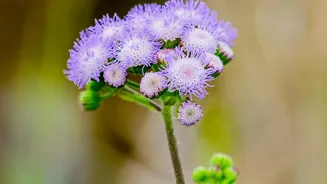
A Once-in-a-Dozen-Years Marvel
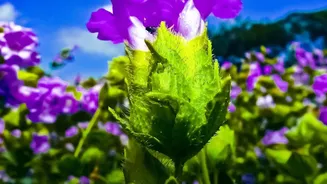
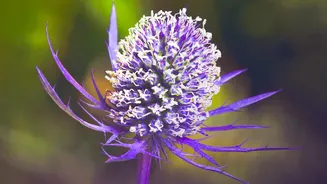
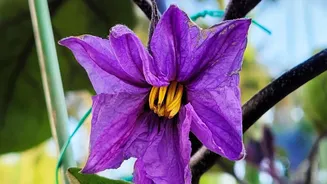
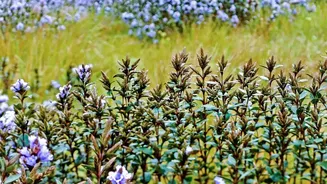
The Neelakurinji, or Strobilanthes kunthiana, is a shrub that has one of the most fascinating life cycles in the botanical world. For 11 years, it grows quietly in the shola grasslands, almost unnoticeable. Then, in the 12th year, something magical happens.
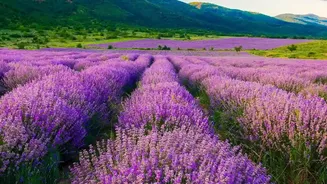
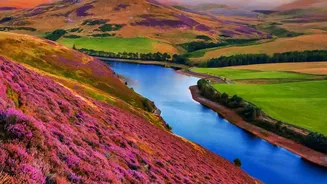
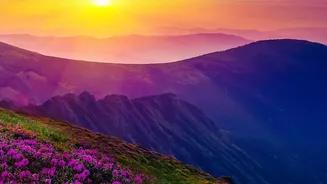
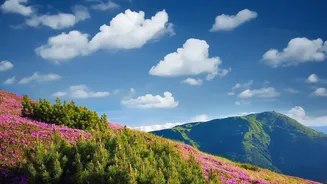
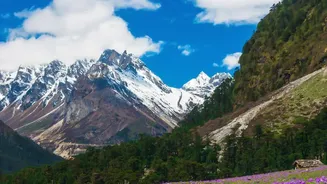
Triggered by an internal clock, entire populations of the plant burst into flower simultaneously, a phenomenon known as gregarious flowering or masting. From August to October, the rolling hills of regions like Munnar in Kerala are transformed into a breathtaking landscape of vibrant blue and purple hues. This synchronized bloom is so profound that it gave the Nilgiri Mountains, which means 'Blue Mountains', their name. After this spectacular display, the plants die, having dispersed their seeds to begin the long cycle all over again.
The Science of Survival
This 12-year cycle isn't just a quirk of nature; it's a brilliant evolutionary survival strategy. By flowering all at once after a long interval, the plant effectively overwhelms predators like birds and insects that feed on its seeds. During the long vegetative period, predator populations cannot rely on the plant for food and therefore remain small. When the bloom finally occurs, it produces such a massive quantity of seeds that the few predators around are quickly satiated, ensuring that millions of seeds survive to germinate and secure the next generation. This process, known as predator satiation, is a powerful defence mechanism. The plant is also what botanists call monocarpic, meaning it flowers, sets seeds, and dies just once in its lifetime.
Where to Witness the Bloom
The prime location to witness this natural wonder is Munnar in Kerala, particularly within the Eravikulam National Park, a UNESCO World Heritage site. This park is not only a sanctuary for the Neelakurinji but also home to the endangered Nilgiri Tahr, an endemic mountain goat. Other key viewing spots in the region include Rajamala, Kovilur, and Top Station on the Kerala-Tamil Nadu border. While the most famous bloom is the 12-year cycle of Strobilanthes kunthiana, there are about 46 species of Strobilanthes in India, each with its own flowering cycle, ranging from one to 16 years. This means smaller, localized blooms can sometimes be spotted in different parts of the Western Ghats, including in Karnataka and Tamil Nadu, in other years.
A Strictly Protected Treasure
The very thing that makes the Neelakurinji famous—its beauty—also puts it at risk. The influx of tourists during a bloom year poses a significant threat to its fragile ecosystem. To combat this, the plant is now a protected species. In 2023, the Ministry of Environment, Forest and Climate Change listed Neelakurinji under Schedule III of the Wildlife (Protection) Act, 1972. This makes it illegal to uproot or destroy the plant, with penalties including a fine of ₹25,000 and imprisonment for up to three years. Visitors are strictly forbidden from plucking the flowers or straying from designated paths. Conservation efforts are crucial, as the plant's habitat has been shrinking due to the expansion of tea plantations and the spread of invasive species. The plant is now officially listed as 'Vulnerable' on the IUCN Red List.
Cultural and Ecological Significance
The Neelakurinji is more than just a pretty flower; it is deeply woven into the local culture and ecology. For the indigenous Paliyan tribe of Tamil Nadu, the bloom has historically served as a natural calendar to calculate their age. The mass flowering is also a vital event for the local ecosystem. It provides an abundant source of nectar for honeybees, leading to the production of 'Kurinji honey', a rare and prized local delicacy known for its purported medicinal properties. The plant also helps prevent soil erosion in the grasslands. Its presence is considered an indicator of the health of the Shola ecosystem, a unique montane grassland environment found only in the Western Ghats.
Planning for the Next Great Bloom
The last major Neelakurinji mass bloom occurred in 2018. Following its 12-year cycle, the next grand spectacle is anticipated in 2030. For those hoping to witness this unforgettable event, planning is key. Given the immense interest from tourists, photographers, and nature lovers from around the world, booking accommodation and travel well in advance is essential. During the season, authorities often implement measures to manage traffic and tourist flow to protect the delicate environment. While 2030 may seem far away, the wait is part of what makes the experience so special. It’s a powerful reminder that some of nature's greatest shows operate on their own timeless schedule, rewarding those who are patient enough to wait.