




A Sweet Case of Mistaken Identity
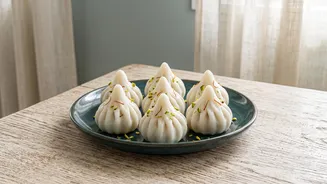
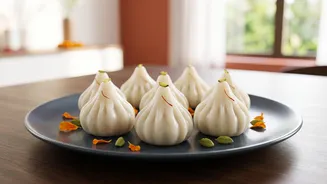
At first glance, you could be forgiven for mistaking one for the other. A picture of a delicately pleated, perfectly shaped sweet makes the rounds on social media, and for any Indian, the immediate thought is 'modak'. The resemblance is striking—the tapered
top, the ridged sides, the promise of a sweet filling within. This visual twin is a type of traditional Japanese confection known as 'wagashi'. Specifically, the modak-like shape is often seen in 'namagashi' or 'nerikiri', which are artistic sweets made to reflect the beauty of the seasons. One particular design, the 'kiku' or chrysanthemum, is intricately crafted with delicate petals that create a pleated look almost identical to that of a modak mould. It's this shared aesthetic that has sparked curiosity and conversation among food enthusiasts online, bridging two distinct culinary cultures through a simple, elegant shape.
Meet Wagashi: The Art of Japanese Sweets
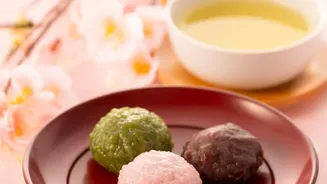
The Japanese sweet in question belongs to the world of wagashi, which are traditional confections often served with tea. Unlike Western desserts, wagashi are known for their subtle sweetness and focus on natural ingredients. The ones shaped like modaks are typically a form of 'namagashi', a category of 'wet sweets' with a higher moisture content, meant to be eaten fresh. These are not merely desserts but edible art. The outer layer is usually made from a smooth, pliable dough of white bean paste ('shiro-an'), glutinous rice flour ('gyuhi'), and sugar. This dough is then coloured with natural ingredients and meticulously shaped by hand or with wooden moulds to represent seasonal motifs like cherry blossoms, maple leaves, or the chrysanthemum flower. The filling is almost always 'anko', a sweet paste made from boiled and sweetened azuki red beans.
Our Beloved Modak: A Divine Offering
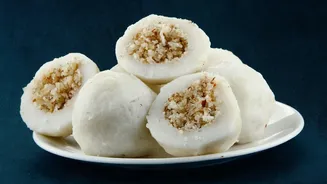
For Indians, the modak is more than just a sweet; it's a sacred offering steeped in tradition. It is famously considered the favourite food of Lord Ganesha and is prepared with devotion during Ganesh Chaturthi. The most popular version, 'ukadiche modak', features a soft, steamed outer shell made from rice flour. This delicate casing holds a fragrant and much sweeter filling of freshly grated coconut and jaggery, often spiced with cardamom or nutmeg. The process of forming the pleats by hand and steaming the dumplings to perfection is a skill passed down through generations. While fried versions ('talalele modak') and modern variants with fillings like chocolate or pistachio exist, the classic steamed modak remains an enduring symbol of festive feasting and faith.
The Key Qualification: More Than Shape
Here lies the crucial difference mentioned in the headline. While a Japanese 'kiku' wagashi and an Indian modak share a silhouette, they are fundamentally different creations. The primary distinction is in their core ingredients and preparation. The modak’s shell is a simple rice flour dough, while the wagashi’s is a carefully prepared mixture of bean paste and rice flour. The fillings are worlds apart: a wagashi holds smooth, earthy red bean paste ('anko'), whereas a modak bursts with the sweet, textured mixture of coconut and jaggery. Furthermore, their cooking methods differ significantly. Ukadiche modaks are steamed, giving them a soft, tender texture. Many intricate wagashi, however, are a form of edible sculpture; the pliable bean-paste dough is simply shaped and served raw, never cooked. There is a specific Japanese sweet called 'kangidan' which is deep-fried and offered to the Japanese equivalent of Ganesha, Kangiten, but the more common modak lookalikes are the un-cooked artistic wagashi.
A Tale of Two Cultures
The cultural context of each sweet is the final and most important differentiator. The modak is intrinsically a religious offering, its preparation and consumption tied directly to Hindu rituals, particularly the worship of Ganesha. Its shape and recipe are defined by tradition. Wagashi, on the other hand, are expressions of seasonal beauty and artistic craftsmanship, served as part of the Japanese tea ceremony to celebrate nature. An artisan might create dozens of different designs throughout the year to reflect the changing seasons—a testament to transience and aesthetics. The modak-like chrysanthemum shape is popular in autumn, symbolising longevity in Japanese culture. So, while they may look like long-lost twins, they don’t share a common ancestry. They are a beautiful example of convergent evolution in the culinary world, where two distinct cultures independently arrived at a similar design to express very different ideas.