



A Ghost of an Ocean
The idea of a Martian ocean isn't new, with scientists proposing it as far back as the 1980s based on images from the Viking orbiters. However, the evidence was debated for years. More recent and higher-resolution data from multiple orbiters, including
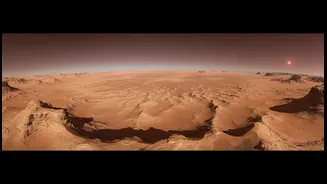
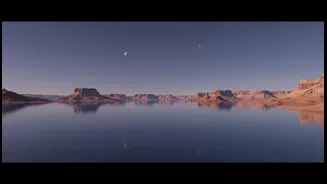
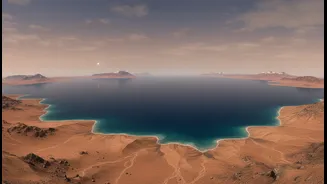
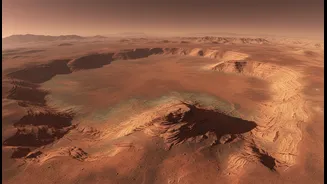
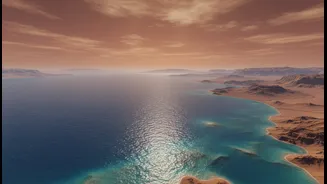
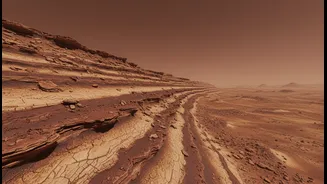
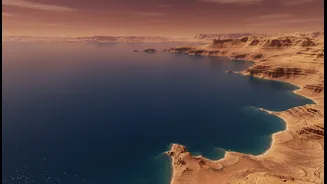
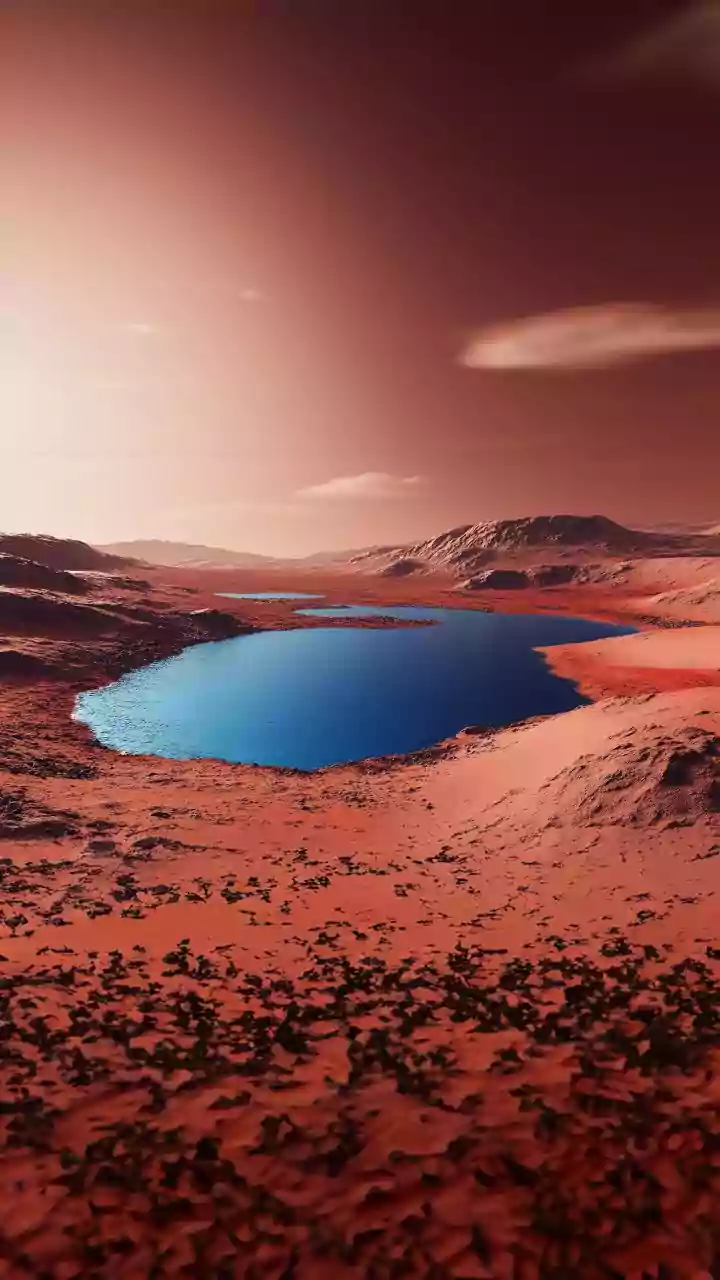
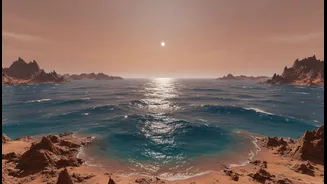
those from NASA and the European Space Agency, has begun to paint a much clearer picture. Recent studies have identified what appears to be a massive coastal shelf, similar to the continental shelves on Earth that lie beneath our oceans. This 'bathtub ring' is a more stable and convincing feature than previously identified, subtle shorelines that varied confusingly in elevation. This feature suggests an ocean existed in the northern hemisphere of Mars for potentially millions of years.
More Than Just Puddles
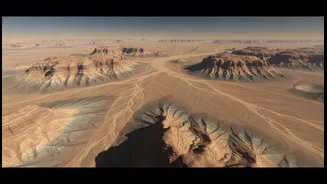
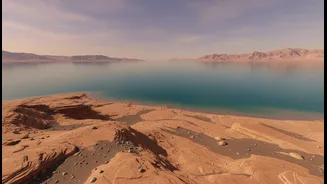
Past missions confirmed that Mars once had lakes and rivers. But the latest evidence points to something on a planetary scale. Researchers have identified widespread geological formations that strongly resemble river deltas emptying into a large body of water. By mapping dozens of these delta deposits, scientists found that many lie at a consistent elevation, marking what would have been the boundary of a massive sea. Data from China's Zhurong rover has added another layer of proof, using ground-penetrating radar to find buried sedimentary structures consistent with an ancient beach, right where the ocean was hypothesised to be. Combined, these findings suggest the northern third of Mars was covered by an ocean, potentially as large as Earth's Arctic Ocean, roughly 3.5 billion years ago.
Changing the Stakes for Life
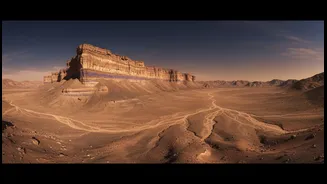
The existence of a long-lasting ocean completely changes the stakes in the search for extraterrestrial life. On Earth, life began in the oceans. A stable, massive body of water on Mars for millions of years would have provided the perfect environment for life to emerge. Such an ocean implies a very different ancient Mars—one with a thicker atmosphere to maintain liquid water, and a global water cycle with rain and clouds. The coastal sediments and ancient river deltas identified by researchers are now prime targets for future missions. Just as on Earth, these areas are ideal for preserving the chemical signatures of any microbial life that may have existed. The search is no longer just for traces of water, but for fossils in the sediment of a lost world.
A New Roadmap for Exploration
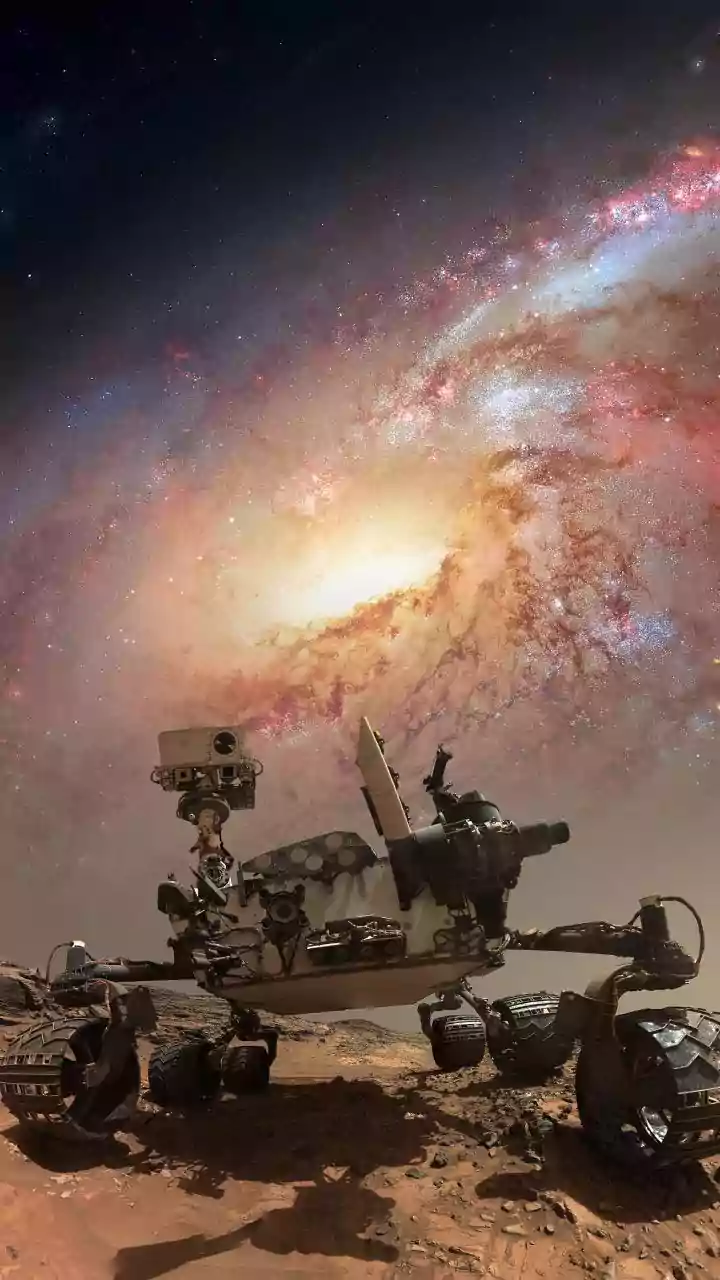
This reinforced theory of a Martian ocean provides a new roadmap for exploration. It helps scientists pinpoint the most promising locations to send rovers and, eventually, humans. Identifying an ancient coastline gives us specific places to dig. The European Space Agency's Rosalind Franklin rover, for example, is slated to explore Mars with these kinds of questions in mind. Understanding how Mars transformed from a potentially life-bearing 'blue planet' into the frozen desert it is today is a critical piece of the puzzle. Learning what happened to its atmosphere and water could teach us invaluable lessons about planetary habitability and how fragile a world's climate can be, offering a profound perspective on our own planet's future.