






The Poha Texture Problem
For countless Indians, the day starts with a warm plate of poha. It's quick, comforting, and endlessly adaptable. Yet, for all its simplicity, there's a common struggle in kitchens everywhere: the quest for the perfect texture. We've all been there. One
moment you have dry, unyielding flakes, and with a splash too much water, you're left with a sad, mushy clump. Achieving that ideal state where each flattened rice flake is soft, separate, and fluffy can feel like a delicate balancing act. Many home cooks have their own trusted methods, from quick rinsing to timed soaking, but the risk of a watery disaster always looms. This textural challenge is so common that it often separates a good plate of poha from a truly great one.
An Unexpected Kitchen Hero
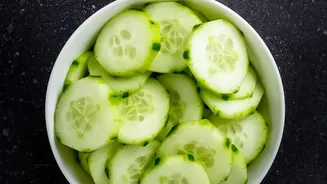
Enter the humble cucumber. It might seem like an unlikely addition to a warm dish, but this refreshing salad staple holds the key to solving the poha texture problem. In Maharashtrian cuisine, variations like Kakdi Poha (Cucumber Poha) and Dadpe Pohe have used this technique for ages. The idea is simple but brilliant: instead of using tap water to soften the poha flakes, you use the natural moisture content of grated cucumber. This method introduces just enough hydration to soften the flakes slowly and gently, completely eliminating the risk of making them waterlogged. The cucumber doesn't just add moisture; it infuses the dish with a subtle, refreshing flavour and a delightful, almost imperceptible crunch, transforming the entire eating experience.
The Science of Softness
So, why does this work so well? It comes down to the way poha, or flattened rice, is made. The rice is parboiled and then flattened, which means it's already partially cooked and designed to absorb moisture quickly. When you rinse or soak poha in water, it's easy to oversaturate the delicate flakes. Grated cucumber, on the other hand, releases its water gradually. When mixed with dry poha and a little salt, the salt draws moisture out of the cucumber through osmosis. This cucumber-infused water is then slowly absorbed by the poha flakes. This gentle process ensures the flakes are hydrated from the inside out, becoming perfectly soft and fluffy without ever being drenched. You get all the softness with none of the sogginess.
How to Make Perfect Cucumber Poha
Ready to try this transformative technique? Here is a simple, no-fail recipe for a refreshing and perfectly textured poha. Ingredients: 2 cups thick poha 1 medium cucumber, peeled and grated 1 small onion, finely chopped (optional) 1/2 cup fresh grated coconut 2-3 green chillies, finely chopped 1 tsp sugar Salt to taste Juice of half a lemon 2 tbsp chopped coriander For the tempering (tadka): 2 tbsp oil, 1 tsp mustard seeds, a pinch of asafoetida (hing), 8-10 curry leaves, and 2 tbsp peanuts. Method: 1. Do NOT wash the poha. In a large bowl, combine the dry poha, grated cucumber, onion, green chillies, sugar, and salt. Mix well. Let this mixture rest for 15-20 minutes. The moisture from the cucumber and onion will soften the poha flakes. 2. After resting, the poha should be soft and fluffy. Gently mix in the grated coconut and chopped coriander. 3. For the tadka, heat oil in a small pan. Add the peanuts and fry until golden and crunchy. Remove the peanuts and set aside. 4. In the same oil, add mustard seeds. Once they splutter, add the curry leaves and asafoetida. 5. Pour the hot tempering over the poha mixture. Add the fried peanuts and lemon juice. 6. Gently toss everything together until well combined. Serve immediately.
Tips for the Best Results
While the recipe is straightforward, a few extra tips can elevate your cucumber poha even further. First, always use thick poha for this method; the thin variety is more likely to turn mushy even with this gentle technique. Taste your cucumber before grating—a bitter cucumber can ruin the dish. Some recipes suggest lightly squeezing the grated cucumber to remove excess water if you prefer a less moist final dish, but for the fluffiest texture, it's best to use all its natural juice. This dish is often served at room temperature, making it a fantastic and refreshing option for breakfast or a light snack, especially during warmer months.