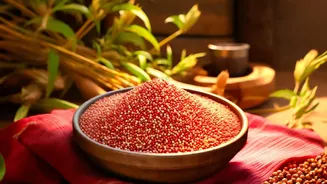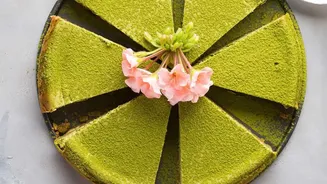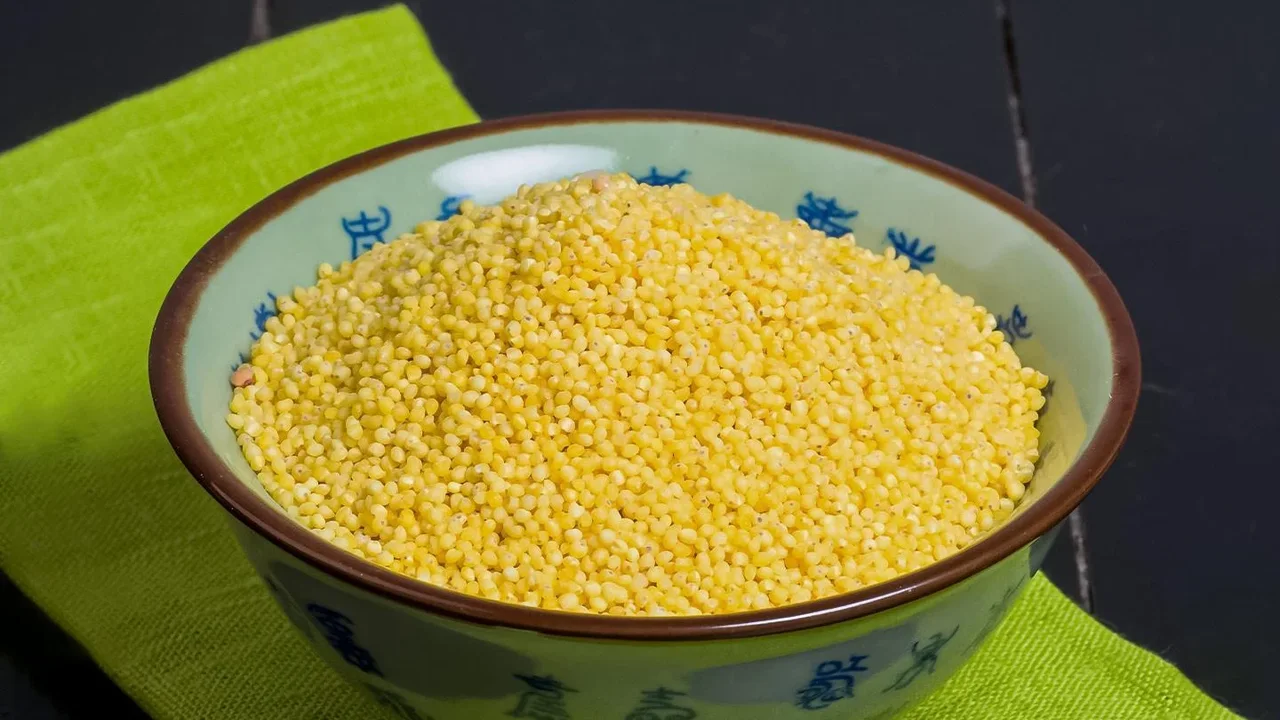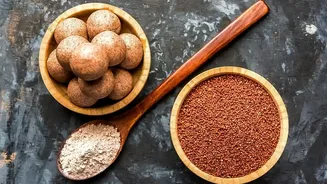




From Humble Staple to Dessert Star
Not long ago, millets like ragi, jowar, and bajra were primarily seen as traditional staples, often overshadowed by wheat and rice. Today, they are having a major moment, especially in the most unexpected of places: the dessert menu. This resurgence is driven
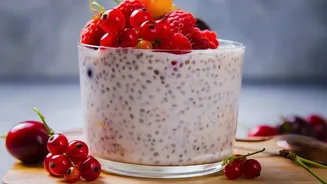
by a wave of health consciousness across India, with consumers actively seeking nutritious alternatives to sweets made with refined flour (maida) and sugar. Government initiatives promoting millets as 'super grains' have also significantly boosted their profile, encouraging both home cooks and professional chefs to experiment. As a result, modern millet desserts are changing perceptions, with everything from ragi brownies and foxtail millet laddoos to jowar apple crumbles appearing in cafes and home kitchens.
The Nutritional Powerhouse in Your Payasam
The primary driver behind the millet dessert trend is health. Millets are nutritional powerhouses, packed with fibre, protein, and essential minerals like iron and calcium. Unlike refined flour, which is stripped of most nutrients, millets offer a wholesome alternative. They are naturally gluten-free, making them an excellent choice for individuals with gluten sensitivity. Furthermore, many millets have a lower glycemic index compared to refined grains, which means they release sugar into the bloodstream more slowly. This quality helps in managing blood sugar levels, making millet-based sweets a comparatively safer indulgence for many.
The Big Question: Do They Actually Taste Good?
This is the question on everyone's mind. While the health benefits are clear, the taste and texture of millet desserts can be a mixed bag. Millets have a distinct, often nutty or earthy flavour that can be unfamiliar in a sweet dish. Their gluten-free nature also means they can result in denser, crumblier textures, especially in baked goods like cakes and cookies. However, culinary innovation is solving these challenges. Chefs and home bakers are learning to balance the flavours by pairing millets with complementary ingredients like jaggery, coconut, chocolate, and fruits. Techniques like roasting the flour to enhance its aroma or blending different millet flours are also used to achieve a more desirable taste and texture.
A Modern Twist on Traditional Sweets
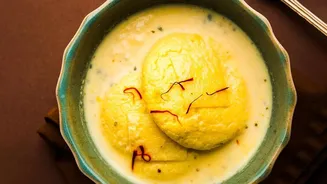
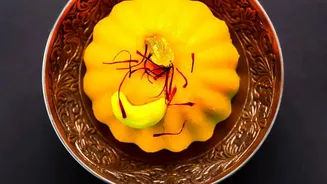
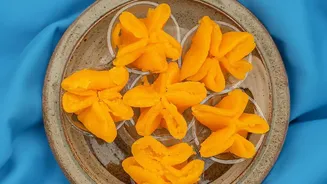
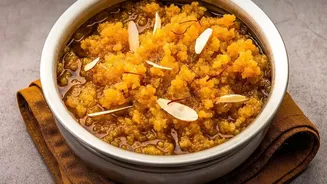
The creativity in millet desserts is vast. Traditional Indian sweets are being reimagined with a healthy twist. You can find ragi malpua, barnyard millet kesari, and little millet payasam. At the same time, there is a surge in modern and western-style desserts getting a millet makeover. Bakeries and health-conscious foodies are creating ragi dark chocolate cake, bajra carrot cake, millet cupcakes, and even millet cookies that are both delicious and nutritious. These innovations prove that millets are versatile enough for both classic recipes like ladoos and kheer, and contemporary treats.
The Baker's Challenge: Working with Millets
Baking with millet flour presents a unique set of challenges primarily because it lacks gluten, the protein that gives wheat-based goods their structure and elasticity. This can make batters and doughs difficult to work with and can result in dry, crumbly outcomes. To overcome this, bakers often use binding agents like flaxseed powder, yogurt, or mashed bananas to hold the mixture together. It's also common to blend millet flour with other flours, such as oat or almond flour, to improve the texture. Since millets absorb more moisture, recipes often require more liquid, and adding ingredients like grated vegetables or ghee can help retain softness. Success with millet baking often requires patience and a willingness to experiment.