



The Classic: Palappam and Kallappam
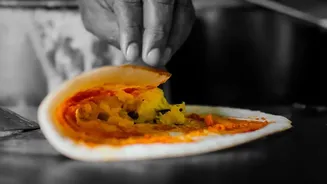
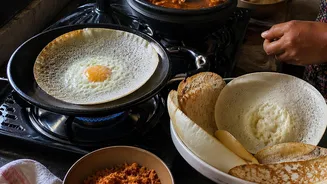
In Kerala, the heartland of appam, the most famous version is Palappam. Made from a fermented batter of rice and coconut milk, its defining feature is the lacy, crisp skirt that surrounds a soft, fluffy centre. Traditionally, the batter was fermented using
'kallu' or palm toddy, which lent the dish its other name, Kallappam. While yeast has largely replaced toddy in modern kitchens, the name persists. These appams are the perfect vessel for mopping up a creamy vegetable or meat stew, often referred to as 'ishtoo', a delicately spiced coconut milk-based curry.
The Cousin: Vellayappam, The Softer Pancake
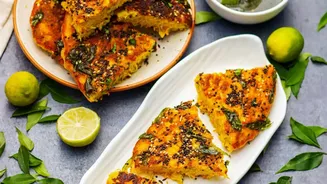
Often confused with Palappam due to overlapping names, Vellayappam is a distinctly different preparation. It's typically thicker, softer, and more like a small, fluffy pancake without the crispy lattice edges. The batter is similar but often thicker and may include additions like cumin seeds and shallots for flavour. Unlike Palappam, which is cooked in a deep 'appachatti', Vellayappam is often made on a flat 'tava' and cooked on both sides. It pairs beautifully with robust curries, where its spongy texture can absorb all the rich gravy.
The Sweet Snack: Achappam, The Rose Cookie
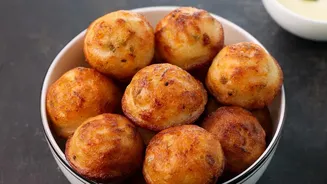
Venturing into the snack territory, Achappam is an 'appam' that shares a name but not much else with its pancake relatives. This is a deep-fried, crunchy snack, often called a rose cookie because of its intricate, flower-like shape. It's made from a batter of rice flour, coconut milk, sugar, and eggs, which is poured into a heated decorative iron mould ('achu') and then deep-fried until golden. It’s a popular festive treat, especially during Christmas in Christian households in Kerala. Believed to be influenced by Dutch colonists, similar rosette cookies can be found across the globe.
The Noodle Form: Idiyappam, The String Hopper
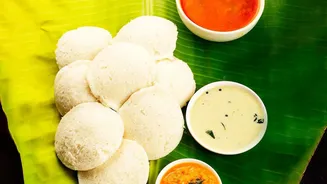
Idiyappam, or string hoppers, stretch the definition of appam even further. Made from a dough of rice flour and water, it is pressed through a mould to create fine, noodle-like strands, which are then steamed into delicate, disc-shaped cakes. While its form is different, it occupies a similar place on the breakfast table. In Kerala and Tamil Nadu, it's commonly served with sweetened coconut milk or a range of curries. In Sri Lanka, where they are known simply as 'hoppers', they are a staple often paired with 'pol sambol', a spicy coconut relish.
The Sacred Loaf: Pesaha Appam
Pesaha Appam holds a special religious significance for the Nasrani (Saint Thomas Christian) community of Kerala. Prepared only once a year on Maundy Thursday ('Pesaha Vyazham'), this unleavened rice cake commemorates the Last Supper. Unlike other appams, its batter is made without any fermenting agent like yeast or toddy, resulting in a firm, dense bread. A cross, made from palm leaves blessed on the previous Palm Sunday, is placed on top of the batter before it is steamed. It is served at night by the head of the family, dipped in a sweet 'paal' made of jaggery and coconut milk.