





A Station Like No Other
Nestled in Punjab's Amritsar district, just three kilometres from the India-Pakistan border at Wagah, Attari is the last railway outpost in India on the historic Amritsar-Lahore line. What makes it extraordinary is its dual identity. On one hand, it's
a domestic station under the Northern Railway's Firozpur division, connecting the local region. On the other, it functions as a full-fledged Integrated Check Post (ICP), complete with customs and immigration facilities, making it a gateway to Pakistan. This unique status means it's one of the most secured railway stations in the country, constantly monitored by military and security personnel. For years, entry to this station was forbidden without a valid passport and Pakistani visa, a rule that underscored its geopolitical significance.
Echoes of Partition and a Legacy of Peace
The station's story is deeply intertwined with the history of the subcontinent. Opened in 1862, it existed long before the borders were redrawn in 1947. During Partition, it witnessed the heart-wrenching migration of millions, with trains arriving bearing the scars of a divided land. In the decades that followed, it transformed into a symbol of peace and connection. In 1976, following the Shimla Agreement, it became a crucial stop for the Samjhauta Express. The name 'Samjhauta' itself means 'agreement' or 'compromise', and the train was a vital link, reuniting families and enabling pilgrimages for over four decades. Passengers from Delhi would travel to Attari, clear immigration, and then board the train for the short 3 km journey to Wagah in Pakistan.
The Suspended Symbol
Today, the platforms of Attari station are much quieter. The Samjhauta Express, a bi-weekly service that was a lifeline for many, stands suspended. Pakistan suspended the service in August 2019 following India's revocation of Article 370 in Jammu and Kashmir. This wasn't the first interruption; the train's journey had been halted previously during periods of high tension, including after the 2001 Parliament attack and the 2007 assassination of Benazir Bhutto. However, the current suspension is the longest in its history, and the once-bustling international platform now serves as a poignant reminder of the fragile relationship between the two nations.
A Place of History and Honour
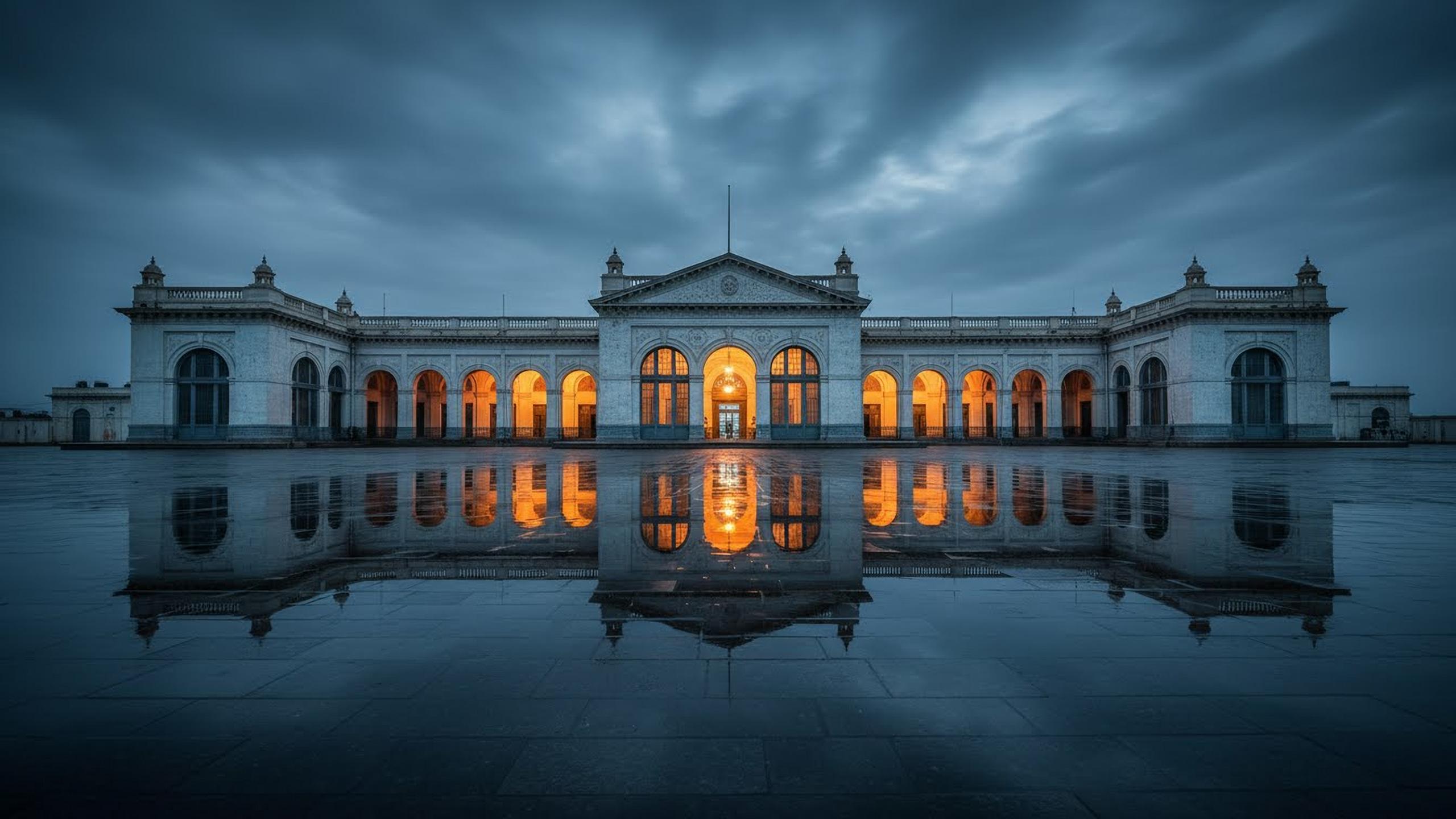
Beyond its geopolitical role, the station holds deep historical importance for the region. In 2015, it was renamed Attari Sham Singh Railway Station to honour General Sham Singh Attariwala, a celebrated general in the army of Maharaja Ranjit Singh. The Attariwala family were influential figures in the Sikh Empire, and the general himself was a native of Attari village. This renaming grounds the station not just in the recent history of the India-Pakistan border, but in the deeper martial and cultural heritage of Punjab. The station's architecture itself, a blend of Indo-Islamic and Victorian styles, tells a story of the bygone eras it has witnessed.