


Beyond the Bustle of Group Gatherings
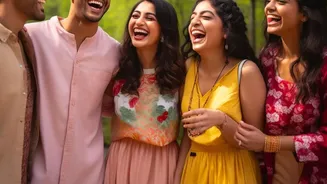
Indian festivals are synonymous with togetherness. Houses fill with the laughter of cousins, the wisdom of elders, and the energy of children. These large gatherings are the bedrock of our cultural celebrations, creating a vibrant tapestry of shared identity
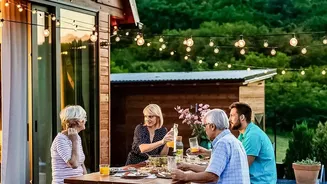
and joy. Shared meals and rituals reinforce a sense of belonging and continuity, which is psychologically comforting. However, in the noise and excitement, it's easy to have a dozen conversations that barely scratch the surface. We might spend a whole day surrounded by loved ones yet leave feeling like we haven't truly connected with anyone on a deeper level. While group activities strengthen our collective identity, they can sometimes lack the space for intimate, personal connection. The very scale that makes these events memorable can also make individual family members feel a little lost in the crowd.
The Unique Power of One-to-One Time
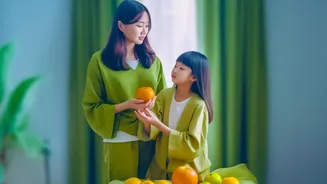
This is where the magic of one-to-one time comes in. Carving out even small pockets of time to be with a single family member can transform relationships. It's in these quiet moments that real conversations happen. You move beyond pleasantries and into sharing thoughts, concerns, and dreams. According to psychologists, this kind of focused attention is crucial for strengthening bonds. It communicates value and respect, making the other person feel seen and heard in a way that's difficult to achieve in a group setting. For a child, a quiet chat with a parent builds self-esteem. For a parent, a walk with their adult child can bridge generational gaps. These interactions build a foundation of trust and emotional safety, creating a support system that helps family members navigate life's challenges together. It's the difference between being in the same room and being truly present with each other.
Simple Ways to Create One-to-One Moments
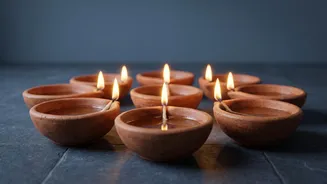
Finding these moments doesn't require a separate schedule or grand plans. It’s about being intentional. Start by sharing a morning cup of chai with your mother before the day's festivities begin. Offer to help a grandparent with a simple task, creating a natural opportunity to listen to their stories. Take a short walk with a sibling or cousin to the local market. Even 15 minutes of uninterrupted conversation can be more meaningful than hours of distracted group time. Another idea is to involve a child in a specific festive preparation, like making rangoli or arranging diyas, just the two of you. These activities aren't about adding another item to your to-do list; they are about transforming existing tasks into opportunities for connection.
Reimagining Your Group Activities
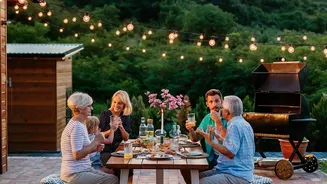
This focus on individual connection doesn't mean sidelining group fun. In fact, it can make it better. The key is to plan inclusive activities that encourage active participation over passive observation. Instead of everyone watching TV, bring out the board games or start a game of antakshari. Organise a family cooking session where everyone, from the youngest to the oldest, has a role to play in preparing a festive meal. Sharing family recipes can be a powerful way to connect generations. You could also create a DIY decoration station or have a family photoshoot where kids choose the theme. These activities create shared memories and foster teamwork, strengthening the family unit as a whole. They turn the idea of 'family time' from an obligation into a joyful, collaborative experience.