







Putting the Shift in Perspective
Recent data from the Kharif 2026 season reveals a dramatic trend: the area dedicated to cotton cultivation in Punjab has plummeted to a historic low, falling below 100,000 hectares. This year alone, the acreage is down by around 40,000 hectares from last
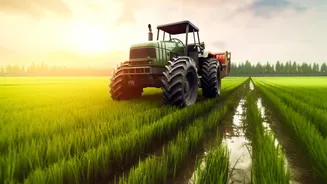
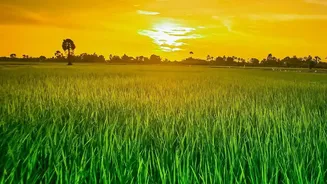
year. Much of this abandoned cotton land, estimated to be around 80,000 hectares when compared to historical norms, is not being left fallow. Instead, farmers are planting paddy. This shift is particularly alarming because for years, the government has been actively trying to persuade farmers to diversify away from the water-guzzling paddy crop to save the state's rapidly depleting groundwater. The move represents a reversal of policy goals and highlights a deep-seated conflict between short-term economic needs and long-term environmental sustainability.
The Push Away From Cotton
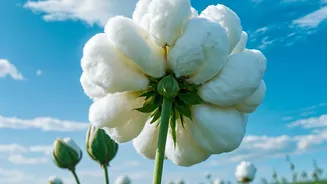
Farmers are not leaving cotton by choice, but out of necessity. For four consecutive years, the cotton crop has been ravaged by pest infestations, most notably the pink bollworm. This destructive pest attacks cotton bolls, drastically reducing both the quantity and quantity of the yield and often leading to complete crop failure. Despite heavy pesticide use, which accounts for a disproportionately large share of farm input costs, losses remain unacceptably high. Farmers have reported yields dropping to as low as two quintals per acre, compared to a standard of 8-10 quintals. This recurring financial devastation, compounded by unpredictable weather and fluctuating market prices, has shattered farmers' confidence in cotton as a viable cash crop.
The Irresistible Pull of Paddy
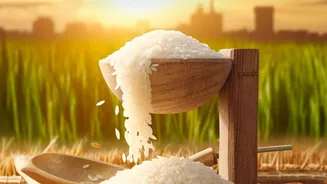
In the face of cotton's volatility, paddy offers something invaluable: security. The primary driver for its cultivation is the government's Minimum Support Price (MSP) and the robust procurement system that comes with it. While cotton also has an MSP, the market infrastructure and government purchasing for paddy are far more reliable. This system guarantees farmers a buyer and a stable, predictable income. For the 2026-27 season, the MSP for common paddy was set at ₹2,441 per quintal. For small farmers with limited financial staying power, the guaranteed return from paddy outweighs the potential, but risky, profits from other crops. This economic safety net makes it the default choice, even when other factors advise against it.
The Staggering Environmental Cost
This shift back to paddy spells disaster for Punjab's water resources. The state's agriculture has become synonymous with groundwater over-exploitation, with some estimates suggesting that 79% of its administrative blocks are over-exploited. Paddy is an incredibly water-intensive crop; growing one kilogram of rice can require around 3,000 litres of water. The relentless cultivation of paddy over decades is the primary reason for the alarming decline in Punjab's water table, which is dropping by over half a meter each year in many areas. The increased reliance on tubewells to sustain paddy cultivation has only accelerated this crisis, with water levels in some districts now deeper than 150-200 metres. More paddy means more water extraction, pushing the state closer to an ecological point of no return.
A Vicious Cycle of Policy
The 80,000-hectare shift exposes a fundamental policy paradox. On one hand, government bodies and agricultural experts have for years warned about the dangers of the paddy-wheat monoculture and have pushed for crop diversification. On the other hand, the government's own policies—namely the powerful incentive of MSP for paddy and free or subsidized electricity for tubewells—make paddy the most logical economic choice for farmers. Efforts to promote alternatives like maize, pulses, and oilseeds have largely failed to gain traction because they lack the same level of institutional support and guaranteed procurement. As long as paddy remains the only crop backed by strong economic and institutional safeguards, Punjab’s mission to save its water and soil will continue to struggle against the current of rational economic decisions made by its farmers.