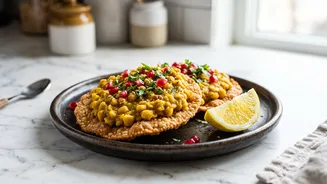

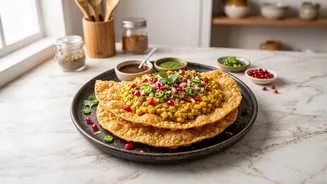

A beloved Sindhi breakfast, Dal Pakwan is a delightful harmony of textures and flavours. It combines a crispy, fried flatbread with a hearty lentil curry. The secret to a truly memorable version lies in the simple, yet perfect, preparation of its dal.
Understanding the Classic Duo
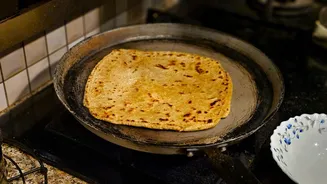
Dal Pakwan is a hallmark of Sindhi cuisine, a community known for its rich culinary heritage. The dish consists of two core components: 'pakwan', a deep-fried, crisp bread often flavoured with cumin or carom seeds, and 'dal', a comforting curry typically made from chana dal (split Bengal gram). This combination of a crunchy base with a soft, savoury topping is a textural delight. Traditionally a special breakfast or brunch for Sundays and festive occasions, its popularity has also made it a common street food offering in many parts of India.
The Foundation: Preparing the Chana Dal
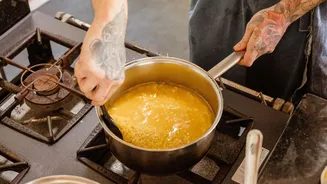
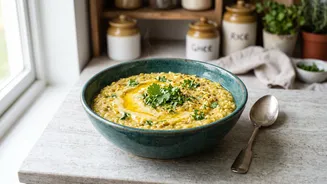
The soul of the dish is its dal, and using the right lentil is key. Chana dal is the traditional choice because it holds its shape when cooked, providing a pleasant texture that isn't completely mushy. The first and most important step is to soak the dal for at least two to three hours, or even overnight. Soaking helps the lentils soften, ensures even cooking, and reduces the overall cooking time. After soaking, the dal is typically pressure-cooked with water, salt, and a pinch of turmeric powder until it is tender but the grains are still distinct. The ideal consistency is creamy, yet with some lentils still whole, which can be achieved by lightly mashing the dal with the back of a spoon after cooking.
Building Flavour with a Simple Tadka
While the dal itself is cooked simply, its flavour is elevated by a 'tadka' or tempering. This is a quick process where spices are sizzled in hot oil or ghee and then poured over the cooked dal. A classic tadka for Dal Pakwan involves heating ghee or oil, adding cumin seeds until they crackle, and sometimes a pinch of asafoetida (hing), which adds a unique savoury depth and aids digestion. Some variations also include slit green chillies, curry leaves, or red chilli powder in the tempering for extra heat and aroma. This final infusion of spices is what gives the dal its characteristic, aromatic flavour.
The Final Touch: Why Lemon is Essential
The squeeze of lemon at the end is not just a garnish; it is a critical step that transforms the dish. The acidity from the lemon juice brightens the earthy, savoury flavours of the dal, cutting through its richness and adding a refreshing tang. This practice has nutritional benefits as well. Dal is a good source of plant-based iron, and the vitamin C in lemon juice significantly enhances the body's ability to absorb this iron. Furthermore, the citric acid can aid digestion, which is helpful as legumes can sometimes feel heavy. For the best effect, the lemon juice should be added just before serving, after the dal has been taken off the heat, as heat can diminish the potency of vitamin C.
How to Serve Dal Pakwan
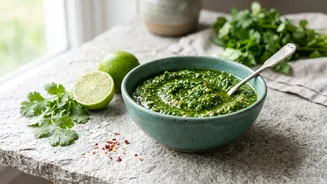
The presentation of Dal Pakwan is part of its charm. The most common way to serve it is to place a pakwan (or a few broken pieces) on a plate and generously ladle the warm dal over it. This allows the bread to soak up some of the dal while remaining partially crisp. The dish is then topped with an assortment of accompaniments that add further layers of flavour and texture. Finely chopped raw onions are almost mandatory for their sharp crunch. Other popular toppings include a drizzle of sweet tamarind chutney and a spicy green chutney, which create a perfect balance of sweet, tangy, and spicy notes.