


The Introduction: A Global Tuber Finds an Indian Home
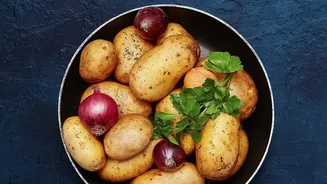
Few ingredients are as universally loved and adaptable as the potato. First brought to India's shores by Portuguese traders in the 17th century, this South American native was initially met with some hesitation. However, its ability to thrive in varied
climates and, more importantly, to absorb the vibrant spices of regional cuisines, ensured its place on the Indian plate. The British further popularised its cultivation, cementing its role as a staple. Today, from street food stalls to family dinner tables, the 'aloo' is a cornerstone of Indian cooking, transformed into countless dishes that reflect the nation's rich culinary tapestry.
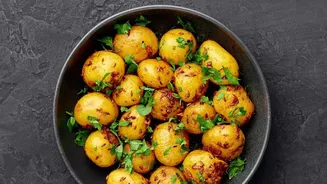
Pahari Aloo ke Gutke (Uttarakhand)
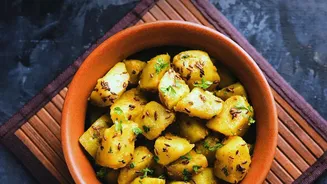
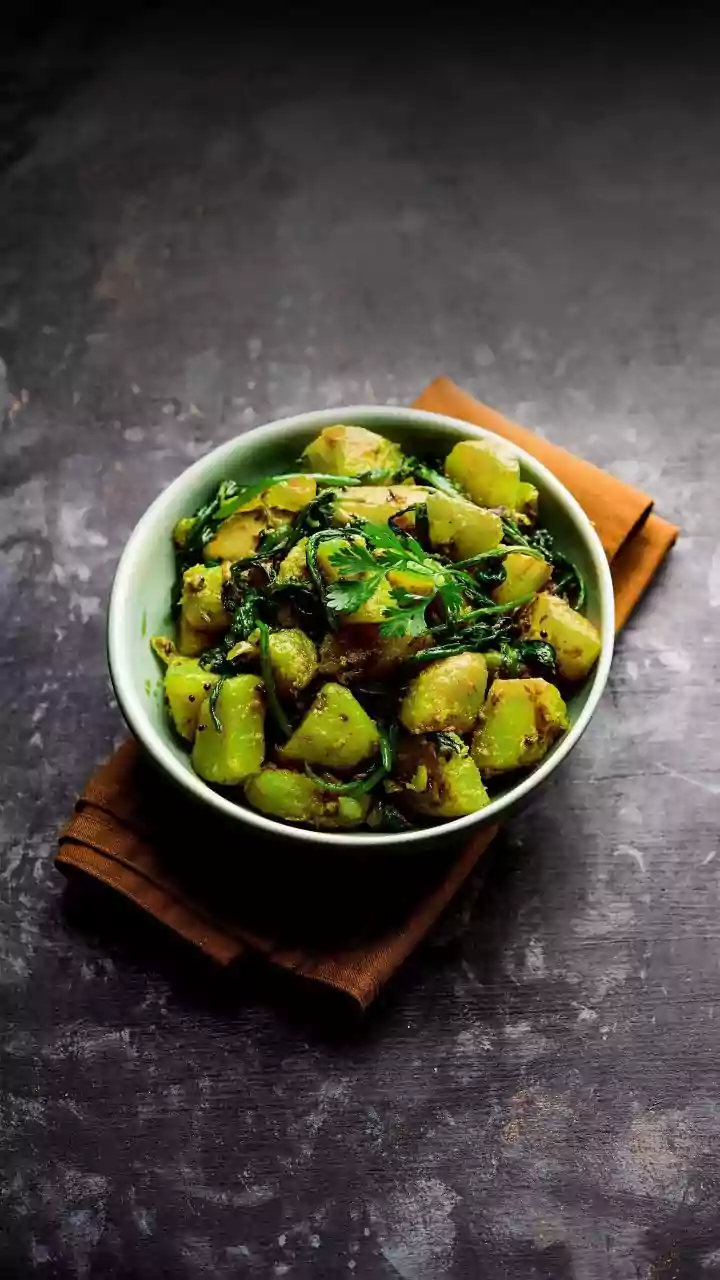
From the Kumaon hills of Uttarakhand comes Aloo ke Gutke, a simple yet profoundly flavourful dish. 'Gutke' simply means 'pieces', and this dish consists of boiled potato chunks stir-fried in mustard oil. The magic lies in the local spices; traditionally, it's tempered with Jakhiya, a wild mustard-like seed that gives a unique crunchy texture and aroma. Combined with dry red chillies, cumin, and coriander powder, this dish is a perfect example of Pahari food — rustic, wholesome, and deeply satisfying.
Aloo Posto (West Bengal)
Travel east to Bengal, and you'll find the iconic Aloo Posto, a dish that holds immense cultural value. Here, potatoes are cooked in a creamy, nutty paste of white poppy seeds (posto). The story goes that after the British began extensive poppy cultivation for opium, the leftover seeds became a resourceful ingredient for farmers' wives, and a culinary classic was born. Cooked with the pungent kick of mustard oil, fiery green chillies, and often just a pinch of nigella seeds, Aloo Posto is a comforting, minimalist preparation that is typically served with rice and dal.
Batata Vada (Maharashtra)
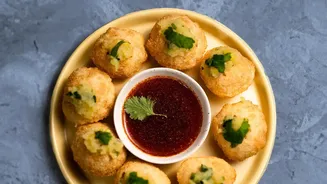
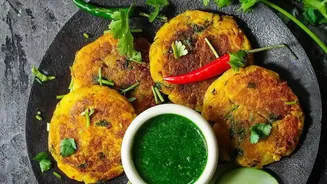
Head west to Maharashtra, and the potato becomes the heart of Mumbai's most famous street food. The Batata Vada is a spiced mashed potato ball seasoned with ginger, garlic, green chillies, and curry leaves. This flavourful sphere is then dipped in a thick gram flour (besan) batter and deep-fried to golden perfection. Crispy on the outside and soft on the inside, it's a beloved snack on its own, often served with chutneys, but it achieves legendary status when tucked inside a soft bread roll (pav) to create the iconic Vada Pav.
Kashmiri Dum Aloo (Kashmir)
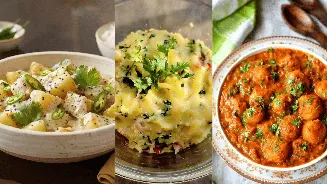
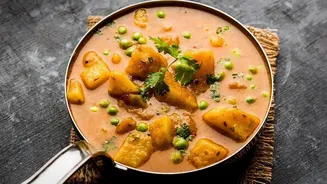
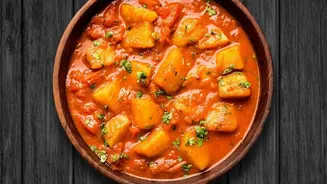
In the Kashmir Valley, the potato is given a royal treatment in the form of Dum Aloo. The authentic Kashmiri Pandit version of this dish features baby potatoes that are first fried and then slow-cooked ('dum' style) in a vibrant, yoghurt-based gravy. Eschewing onion and garlic, the curry gets its intense aroma and flavour from spices like fennel powder, dry ginger powder, and Kashmiri red chilli powder, which imparts a brilliant colour without overwhelming heat. The result is a tangy, aromatic curry where the potatoes have absorbed all the complex flavours of the gravy.
Urulai Kizhangu Varuval (Tamil Nadu)
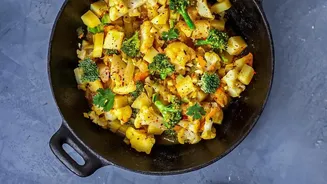
Down south in Tamil Nadu, the potato is transformed into a spicy and crispy delight known as Urulai Kizhangu Varuval. In this dish, diced potatoes are slow-roasted or pan-fried with a blend of spices until they are crispy on the outside and tender inside. The seasoning often includes mustard seeds, urad dal, curry leaves, and a generous amount of sambar powder or a mix of chilli and coriander powder, giving it a distinctively South Indian flavour. It’s a versatile side dish that pairs perfectly with sambar, rasam, or curd rice.
Aloo Pitika (Assam)
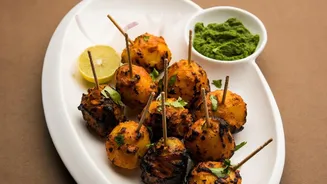
From the Northeast, Assam offers Aloo Pitika, the ultimate comfort food. It is a simple, soulful mash of boiled or roasted potatoes. What elevates it is the sharp, pungent flavour of raw mustard oil, combined with finely chopped raw onions, green chillies, and fresh coriander. Sometimes, the potatoes are roasted in embers, which adds a beautiful smoky dimension to the mash. Aloo Pitika is a staple side dish in Assamese meals, cherished for its simplicity and the robust flavours it brings to the plate alongside rice and dal.