


The Strategic Shop
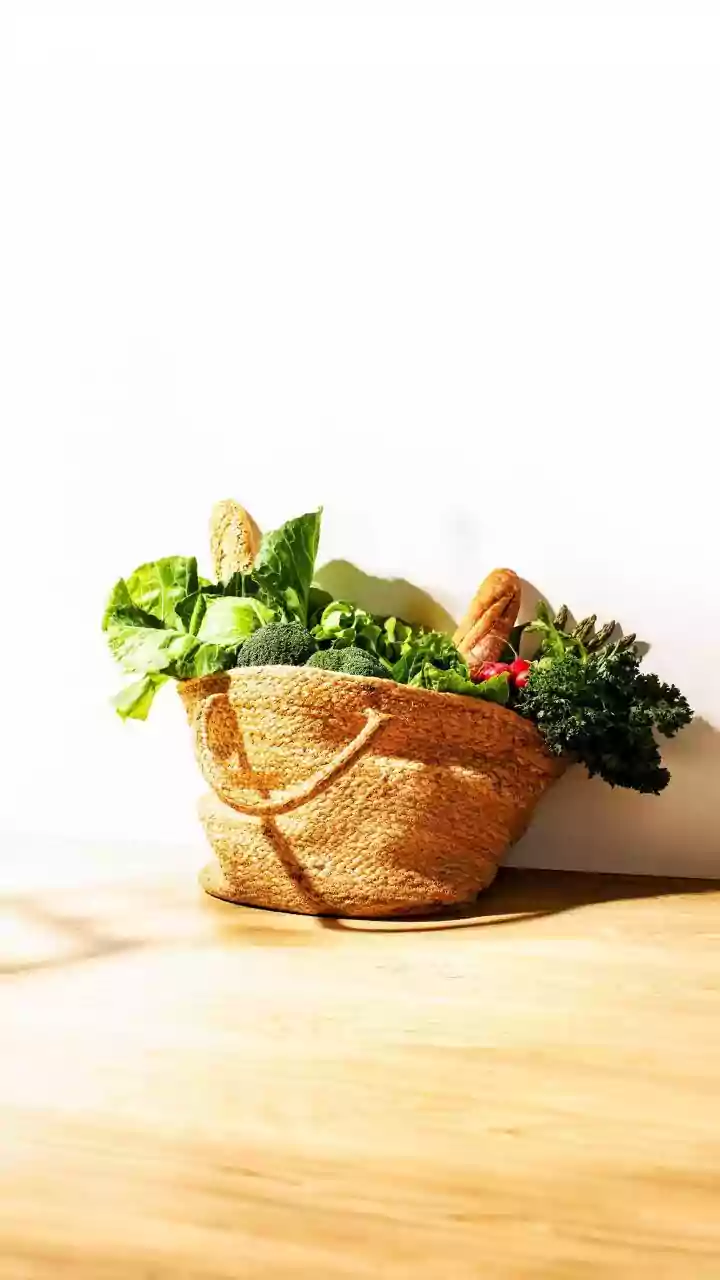
The foundation of successful solo cooking begins at the grocery store. It requires shifting your mindset away from family-sized packaging and embracing precision. Plan one or two recipes you genuinely want to make for the week and build a list from there.
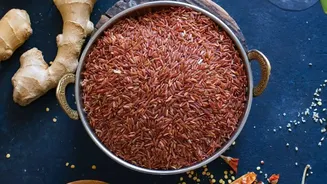
Before you go, take stock of your pantry and fridge to avoid buying duplicates. When you're at the store, the bulk bins are your best friend, allowing you to buy the exact amount of grains, nuts, or spices you need. For produce, buy loose items instead of pre-bagged ones. Need half a bell pepper for a recipe? Just buy one, not a pack of three. The same goes for the deli and butcher counters; ask for the precise number of slices or the exact weight of meat or cheese you require. This strategy not only drastically reduces food waste but also frees up your budget and fridge space.
Embrace Component Cooking
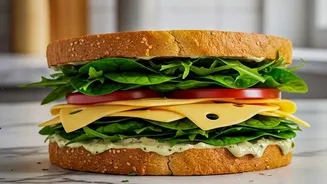
Instead of preparing one large, monolithic meal, think in terms of components. This involves batch-cooking individual ingredients at the start of the week that can be mixed and matched to create different meals. For example, cook a pot of quinoa or rice, roast a sheet pan of versatile vegetables like broccoli and carrots, and grill a few chicken breasts. One night, these components can become a hearty grain bowl. The next day, you can wrap the chicken and veggies in a tortilla for a quick lunch. Later in the week, the remaining roasted vegetables can be tossed with pasta or added to a soup. This approach keeps your meals from feeling repetitive and gives you the flexibility to assemble a meal based on your cravings, rather than being locked into the same dish for days on end.
Make Your Freezer a Second Pantry
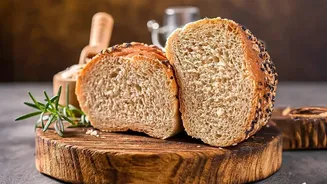
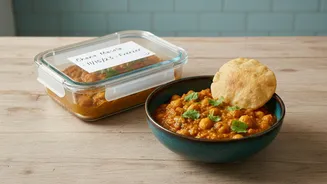
Your freezer is arguably the most crucial tool in the solo cook's kitchen. It allows you to break the cycle of food spoilage and provides a library of ready-to-go meal components. Get into the habit of portioning everything. When you buy a loaf of bread, freeze half of it. If you cook a large pot of chili, soup, or stew, let it cool and then freeze it in single-serving containers like mason jars or reusable bags. This also works beautifully for things like meatballs, pasta sauce, and pulled pork. To prevent items from clumping together, you can 'flash freeze' them: spread items like burger patties or breakfast muffins on a baking sheet, freeze until solid, and then transfer them to a freezer bag. Properly labeled, these frozen portions become your personal stash of fast, home-cooked meals.
Build a Versatile Ingredient Arsenal
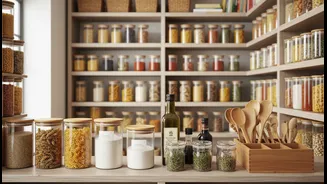
Stocking your pantry with versatile, long-lasting ingredients gives you a powerful foundation for countless meals. These are the flavor-packed staples that can pivot from one cuisine to another. Items like canned beans, canned tomatoes, rice, and pasta are essential. Eggs can become a quick omelet, a binder for meatloaf, or part of a stir-fry. Onions, carrots, and celery are the base for countless soups and sauces. A good block of cheese, a lemon, and high-impact condiments like Dijon mustard or soy sauce can elevate simple ingredients into a satisfying meal. Don't overlook the frozen aisle either; frozen fruits and vegetables are just as nutritious as fresh, won't spoil quickly, and allow you to use only what you need.