







Onigiri: The Ultimate Portable Snack
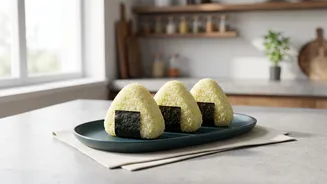
Onigiri, or Japanese rice balls, are a cornerstone of snacking in Japan. These satisfying parcels are traditionally made with short-grain rice and can be filled with a variety of ingredients, making them endlessly adaptable for vegetarians. While classic
fillings include pickled plum (umeboshi) or kombu seaweed, the fresh look for home cooks involves getting creative. Think spicy mushroom fillings, a mix of edamame and corn, or even a paneer-based creation with a touch of soy sauce. The key is to use slightly warm, seasoned rice, which makes it easier to shape. You don't need a special mould; salted, wet hands will prevent sticking and allow you to form the traditional triangle or ball shapes. For a final touch, wrap them in a strip of nori (seaweed) for easy handling.
Agedashi Tofu: Crispy, Savoury and Simple
Agedashi Tofu is a classic dish that proves tofu is anything but boring. It consists of firm tofu cubes, lightly dusted in potato or corn starch and fried until golden brown. The result is a delightful contrast: a crispy, thin crust giving way to a soft, silky interior. The “fresh look” for this dish comes from its simplified sauce and presentation. While traditionally served in a dashi-based broth (which often contains fish), a simple vegetarian version can be made at home using soy sauce, mirin (sweet rice wine), and a little ginger. Serve the crispy tofu in a shallow bowl with the warm sauce poured over it, and garnish with chopped spring onions for a restaurant-quality appetiser that takes minutes to prepare.
Vegetable Tempura: Light and Crispy Bites
Tempura is the art of deep-frying ingredients in a light, airy batter. For vegetarians, the options are plentiful: sweet potato, brinjal, bell peppers, green beans, and pumpkin all work beautifully. The secret to a modern, home-cook-friendly tempura is a simple batter and the right oil temperature. A basic batter of flour and ice-cold water is all you need for a crispy finish. The cold water is crucial as it inhibits gluten development, keeping the coating light. Don't overmix; a few lumps are perfectly fine. Fry in batches until just lightly golden, and serve immediately with a simple dipping sauce of soy sauce mixed with a bit of grated ginger or radish. It's a satisfyingly crunchy snack that highlights the natural sweetness of the vegetables.
Spicy Edamame: A Fiery Twist on a Classic
Edamame, or young soybeans, are a staple in Japanese pubs (izakayas). Usually, they are simply boiled and salted. But for a more dynamic flavour, a spicy stir-fry is the way to go. This modern take is incredibly easy and elevates the humble bean into a star snack. After boiling the pods, toss them in a hot pan with a little oil, garlic, chilli paste, and a touch of miso or soy sauce for a savoury, umami kick. The combination of heat, garlic, and salt makes for an addictive snack that’s perfect for sharing. Be sure to serve them hot and have a napkin ready. This fresh approach turns a simple appetiser into a conversation starter.
Mochi and Dango: Sweet Chewy Dumplings
Mochi and dango are traditional Japanese sweets made from glutinous rice flour, known for their uniquely chewy texture. While artisan mochi-making is a complex process, home cooks can easily create dango, which are simple dumplings often served on a skewer. To make them, just mix glutinous rice flour with water (and sometimes tofu for a softer texture) to form a dough, roll it into small balls, and boil them until they float. The fresh take is all about the topping. Instead of a traditional sweet soy glaze, try dusting them with kinako (roasted soybean flour), coating them in black sesame paste, or serving them alongside fresh fruit. These sweets are a wonderful canvas for creativity and a delightful departure from typical desserts.