






The Big Picture: The Delhi-Amritsar-Katra Expressway
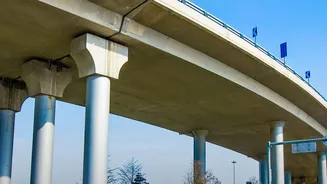
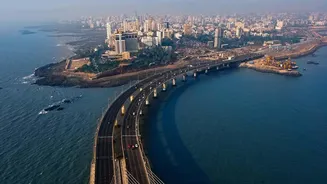
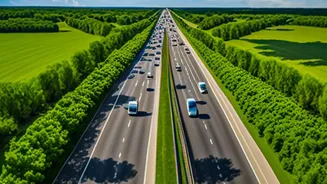
The Delhi-Amritsar-Katra Expressway is a massive, 670-kilometre-long, access-controlled highway being developed under the government's Bharatmala Pariyojana initiative. This greenfield project is not just about laying new roads; it's about creating a high-speed
economic corridor that connects the national capital with key economic and religious centres in Haryana, Punjab, and Jammu & Kashmir. Once fully completed, it is poised to become one of North India's most critical transport arteries, providing a modern, faster alternative to the often-congested National Highway 44. The entire project is being built at an estimated cost of around ₹38,905 crore and is designed as a four-lane highway that can be expanded to eight lanes in the future.
What's New? The Inaugurated Stretches
In a significant development for the region, Prime Minister Narendra Modi recently inaugurated key stretches of the expressway. This includes the first 157.92 km in Haryana (Packages 1 to 5) and a crucial 30.9 km section in Jalandhar, Punjab (Package 6). The newly operational four-lane stretch in Haryana, built at a cost of roughly ₹9,680 crore, marks the opening of the initial phase of this mega project. These inaugurations signify that large portions of the expressway are now open to the public, bringing the project's ambitious goals one step closer to full realisation.
The Game-Changing Time Savings
For travellers, the most significant benefit is the dramatic reduction in travel time. Once the entire 670 km corridor is operational, the journey from Delhi to Katra, the base camp for the Vaishno Devi shrine, is expected to be cut from a gruelling 14 hours to just six hours. Similarly, the travel time between Delhi and Amritsar will be halved, dropping from about eight hours to a much more manageable four hours. These time savings will redefine weekend trips, business travel, and pilgrimages, making destinations more accessible than ever before. The speed limit for light vehicles is set at 120 km/hr, ensuring a swift and smooth journey.
A Boon for Pilgrims and Tourists
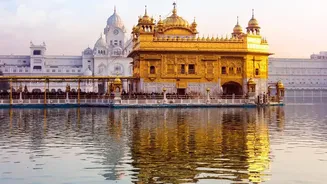
This expressway is a game-changer for religious tourism. The drastically reduced travel time will provide immense relief to the lakhs of pilgrims who visit the Shri Mata Vaishno Devi shrine in Katra and the Golden Temple in Amritsar each year. The corridor is specifically designed to improve connectivity for pilgrims and tourists. Beyond these two major sites, the expressway also enhances access to other important Sikh religious destinations, including Sultanpur Lodhi, Goindwal Sahib, and Khadoor Sahib. This improved accessibility is expected to transform road tourism, encouraging more self-drive holidays and boosting local economies in Punjab and Jammu & Kashmir.
Beyond Speed: Economic and Strategic Impact
The benefits of the expressway extend far beyond faster travel. This access-controlled corridor is expected to catalyse industrial and logistics development all along its route. It will connect numerous industrial centres, agricultural markets, and logistics parks, creating a seamless network for freight movement. The strategic importance is also notable, as the improved infrastructure will facilitate faster mobility for armed forces near the international border. The project includes modern amenities like trauma centres, bus bays, and truck stops, ensuring a safer and more comfortable journey for all users.