






More Than Just a Stretch
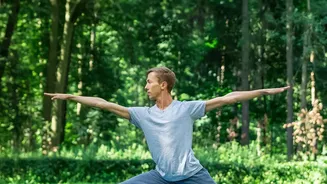
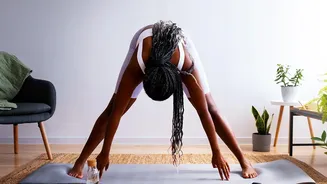
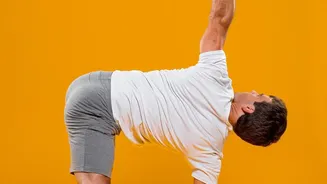
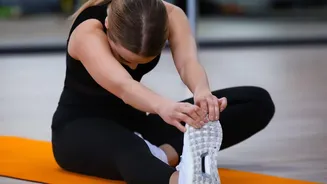
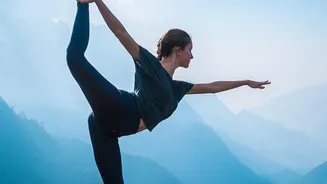
Gentle yoga is a slow-paced, supportive style of yoga designed to feel welcoming rather than demanding. Its focus is on ease of movement, breath awareness, and building a positive connection with your body without strain. Unlike more vigorous forms of yoga,
this practice uses modified poses and often incorporates props like blankets or blocks to ensure comfort and stability. The goal isn't to achieve pretzel-like flexibility, but to calmly increase mobility, reduce stiffness, and quiet the nervous system. It's an ideal starting point for beginners, older adults, or anyone seeking a low-impact way to move their body and relieve stress. By emphasising slow, intentional movements, gentle yoga helps activate the body's relaxation response, making it a powerful tool for mental and physical balance.
The Simple Joy of a Seated Twist
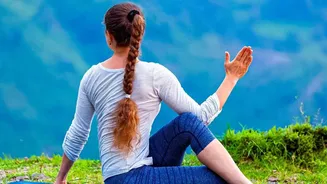
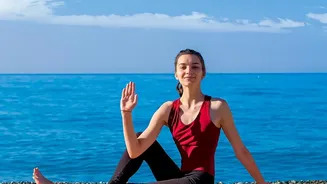
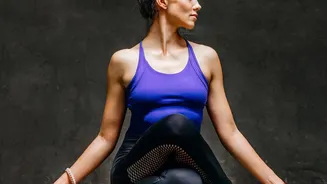
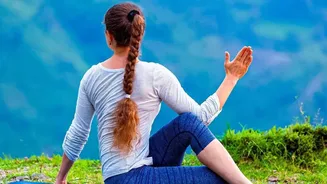
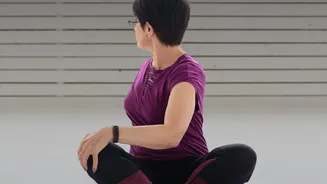
Seated twists are a cornerstone of gentle yoga, offering significant benefits without requiring you to even stand up. These poses are excellent for improving spinal mobility, especially for those who spend many hours sitting. A simple seated twist, performed in a chair or on the floor, can help relieve tension in the upper back, shoulders, and neck. The twisting motion gently massages the abdominal organs, which can aid digestion and promote a sense of internal cleansing. The key is to move with your breath—inhaling to lengthen the spine and exhaling to gently deepen the twist, never forcing the movement. This mindful action not only stretches the muscles along your spine but also helps ground your energy and calm your nervous system.
Finding Stillness in Resting Positions
In a world that constantly demands our energy, the act of intentional rest is revolutionary. Restorative or resting poses are a critical part of gentle yoga, teaching the body and mind to truly relax. Poses like Savasana (Corpse Pose), where you simply lie on your back, or Balasana (Child's Pose) allow your muscles to completely release. Using props like blankets under your knees or a pillow for your head can deepen this relaxation. Holding these still positions for several minutes helps shift your nervous system from a state of 'fight-or-flight' to 'rest-and-digest', which can lower blood pressure, slow your heart rate, and reduce feelings of anxiety. This practice is not about 'doing nothing'; it is an active process of letting go, which supports healing, boosts the immune system, and improves your capacity for managing stress.
A Perfect Partner for Healthy Habits
Gentle yoga doesn't exist in a vacuum; its benefits are magnified when paired with other ordinary healthy habits. For instance, a consistent yoga practice is shown to improve sleep quality, and in turn, getting good rest provides the energy needed for your practice. The mindfulness cultivated on the mat can extend to your meals, encouraging you to make more nourishing food choices. Yoga also complements other forms of exercise, like walking. While walking provides cardiovascular benefits, gentle yoga improves flexibility, balance, and joint health, reducing stiffness and preventing injury. By integrating yoga, you create a holistic wellness routine where each habit supports the others, leading to more profound and lasting well-being.
How to Weave It All Together
Incorporating gentle yoga into your life doesn't require a huge commitment. Start small by dedicating just 10 to 15 minutes each day. You could begin your morning with a few gentle stretches and seated twists to awaken your body or end your day with a restorative pose to unwind before sleep. Create a quiet, clutter-free space in your home to make your practice more inviting. The most important rule is to listen to your body and never push into pain. Consistency is more important than intensity. A short daily practice is far more beneficial than a long, infrequent one. Remember, the goal is not perfection but presence. It's about showing up for yourself, moving with awareness, and finding a sense of peace amidst the demands of daily life.