



Why Barley Is a Blood Sugar Superhero
The secret to barley's success lies in its impressive fibre content, particularly a soluble fibre called beta-glucan. When you eat barley, this beta-glucan forms a gel-like substance in your gut. This process slows down digestion and the absorption of
sugar into your bloodstream. The result is a more gradual rise in blood sugar and insulin levels, preventing the sharp spikes and subsequent crashes that can leave you feeling tired and craving more sugar. In fact, barley has one of the lowest glycemic index (GI) scores of all grains, with some studies placing it as low as 28. Foods with a low GI are ideal for managing blood sugar because they are digested slowly, leading to a steady release of energy.
Hulled vs. Pearled: The Better Barley Choice
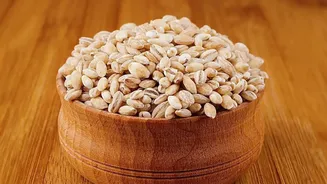
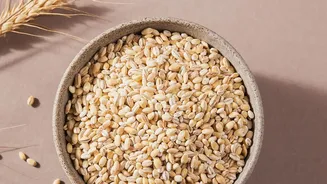
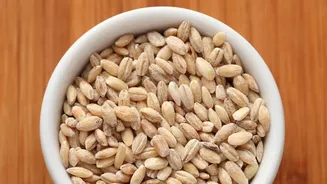
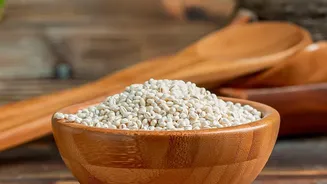
When you're at the grocery store, you’ll likely see two main types of barley: hulled and pearled. For the biggest blood sugar benefit, hulled barley is the superior option. Hulled barley is the whole-grain version, meaning only the tough, inedible outer husk has been removed. This leaves the bran and germ intact, which is where most of the fibre and nutrients reside. Pearled barley, the more common variety, has been polished to remove the bran layer. While it cooks faster and has a softer texture, this refining process strips away a significant amount of its beneficial fibre. Although pearled barley is still a decent source of nutrients and better than a refined grain like white rice, hulled barley's higher fibre content makes it the champion for blood sugar control.
Building the Perfect Barley Breakfast Bowl
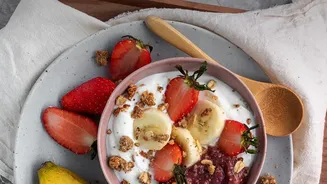
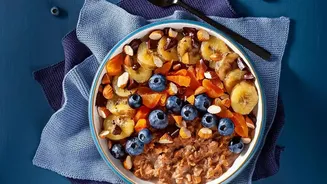
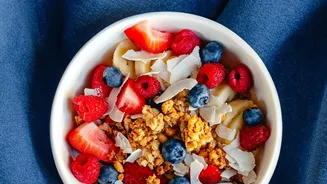
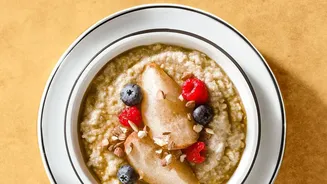
Creating a balanced, blood-sugar-friendly barley bowl is simple. Think of it as a formula: cooked barley as your base, plus protein, healthy fats, and low-sugar toppings. Start with a serving of cooked hulled barley. To make it a complete meal that promotes satiety and stable energy, it's crucial to add protein and healthy fats. These macronutrients further slow down carbohydrate absorption. For protein, consider mixing in a scoop of plain Greek yogurt, cottage cheese, or a sprinkle of protein powder. Healthy fats can come from a spoonful of nut butter, a handful of almonds or walnuts, or a sprinkle of chia and flax seeds. These additions not only boost the nutritional value but also make the bowl more satisfying, helping to control hunger throughout the morning.
Smart Toppings and Flavor Boosters
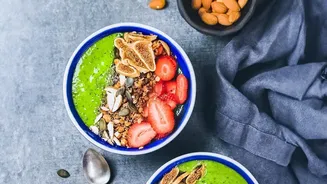
Toppings are where you can add flavour and texture, but it's important to choose wisely to keep your bowl blood-sugar-friendly. Fresh or frozen berries like blueberries, raspberries, and strawberries are excellent choices as they are high in fibre and lower in sugar compared to other fruits. A dash of cinnamon can add natural sweetness and has been shown to have a positive effect on blood sugar levels. Nuts and seeds like pistachios, almonds, pumpkin seeds, or sunflower seeds add a satisfying crunch and a dose of healthy fats and protein. Avoid toppings high in added sugars, such as honey, maple syrup, and large amounts of dried fruit, as these can counteract the blood-sugar-stabilizing benefits of the barley itself. If you need a touch of sweetness, a very small amount of a natural sweetener or a few extra berries is a better choice.
More Than Just a Breakfast Food
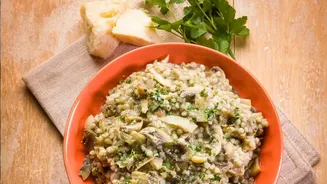
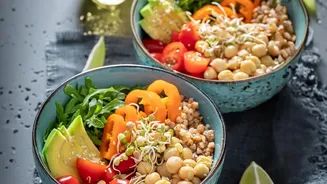
While barley shines in a breakfast bowl, its versatility makes it a great addition to other meals. Its chewy texture and nutty flavour work well in soups, stews, and salads. You can use it as a substitute for rice or other grains in pilafs or even mix it into stuffed peppers. Incorporating this grain into your diet regularly can contribute to better overall metabolic health. Studies have linked whole-grain consumption to a lower risk of chronic conditions like type 2 diabetes. By making barley a staple in your pantry, you’re not just making a healthy breakfast choice; you’re investing in your long-term wellness.