

The Food Lover's Dilemma
We have all been there. Standing at the entrance to a bustling khau galli or a vibrant food court, the air is thick with the competing aromas of sizzling tikkis, spicy chaat, and rich pav bhaji. Your eyes dart from stall to stall, each one promising a unique
taste of a different region. The desire to try everything is overwhelming, but you know the sad reality: order one full plate of chole bhature, and your culinary adventure is likely over. The generous portion sizes that offer great value for money become a delicious obstacle for the curious foodie who craves variety over volume. This common predicament forces a tough choice between indulging in a favourite or exploring something new, leaving you wondering about all the flavours you missed.
Embrace the 'Small Plate' Strategy
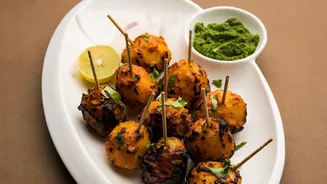
The solution is surprisingly simple: order less at each stop. Instead of committing to a full portion, which at many Indian eateries can be large enough for two people, adopt a tasting mindset. This approach re-frames your goal from having a single, hearty meal to creating a multi-course tasting menu of your own design. The idea is to have just enough to appreciate the dish's unique character before moving on. Many street food items are naturally portioned for this style of eating. Think of single pani puris, a plate of momos, a skewer of kebabs, or a small bowl of jhalmuri. These dishes are designed for a quick, flavourful bite, making them perfect entry points for your culinary crawl. For other dishes, it means actively seeking out or requesting smaller portions.
Your Game Plan for a Food Crawl
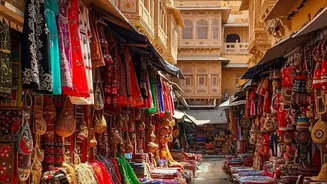
Executing this strategy works best with a partner or a small group. The golden rule is to share. Instead of each person ordering a separate dish, order one dish for the group to split. This immediately cuts down on individual consumption and allows everyone to sample more. Approach a stall and order a single plate. Everyone takes a few bites, discusses the flavours, and then you move on to the next stall. If a vendor doesn't explicitly offer a 'half plate', don't be shy to ask. Many smaller, family-run stalls are accommodating and understand the desire to sample. In places with high foot traffic like Delhi's Chandni Chowk or Indore's Sarafa Bazaar, vendors are accustomed to serving crowds with diverse appetites. The key is to see it as a journey, not a destination. Each stall is a stop on your flavour map.
Navigating the Stalls Smartly
Not all food stalls are created equal when it comes to portion sizes. While a chaat stall is built for small bites, a place selling full thalis or biryani might not be able to scale down. This is where a little observation pays off. Before committing, take a walk down the entire lane. Identify the stalls that naturally serve smaller, individual items. Prioritise these. Stalls selling snacks like vada pav, dabeli, kachori, and samosas are your best friends in this endeavour. These are typically single-serving items that deliver a full flavour experience without filling you up completely. Save the vendors selling heavier, gravy-based dishes or large platters for when you have a larger group to share with, or for a day when you are ready to commit to a single, satisfying meal.
The Social and Sensory Advantage
This method of eating offers benefits beyond just tasting more food. It transforms a simple meal into a dynamic and social activity. Sharing dishes sparks conversation, allowing you and your friends to compare notes, debate the best dishes, and create shared memories. It encourages you to slow down and truly savour each bite, rather than mindlessly finishing a large plate. From a sensory perspective, it prevents 'palate fatigue'—that feeling where every dish starts to taste the same because you're too full. By constantly introducing new textures and flavours in small amounts—the crispiness of a puri, the softness of a dabeli bun, the tang of tamarind chutney, the spice of a kebab—you keep your taste buds engaged and appreciative. It is a more mindful and ultimately more satisfying way to engage with India’s incredible culinary diversity.