




The Heart of the Matter
The FSSAI has put forward a draft amendment that targets 'analogue' products—items designed to look and feel like dairy but made from non-milk ingredients. The proposal, named the Food Safety and Standards (Prohibition and Restrictions on Sales) Amendment
Regulations, 2026, would prohibit products made from constituents not derived from milk from using the term 'paneer' in their name, packaging, or marketing. If this draft becomes law, any product currently licensed under the 'Analogue in Dairy Context' category would need to drop the word 'paneer' entirely. The primary goal, according to the regulator, is to prevent consumers from being misled about the composition of the food they are buying and to ensure transparency in the marketplace.
Why Is This Happening Now?
The move doesn't come out of the blue. It follows growing scrutiny over 'fake paneer' and actions already taken by several states. States like Maharashtra, Gujarat, Karnataka, and others have recently imposed their own restrictions or bans on the sale of analogue paneer. In Maharashtra, for instance, a one-year ban was implemented after a significant percentage of paneer samples failed quality tests due to adulteration with vegetable fat. These analogue products, often made from cheaper ingredients like palm oil, starch, and vegetable proteins, can be sold at nearly half the price of authentic milk-based paneer. This price difference makes them an attractive, if potentially misleading, option for some restaurants and consumers, prompting regulators to step in to protect both consumer interests and the integrity of the dairy industry.
What is 'Analogue' Paneer?
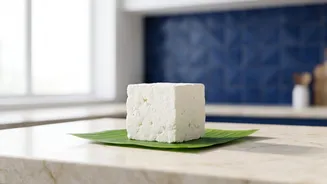
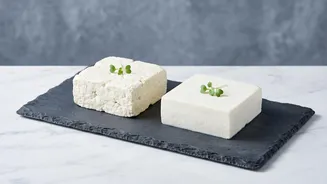
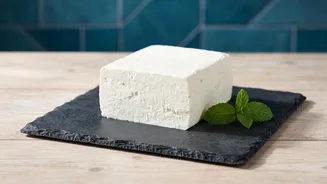
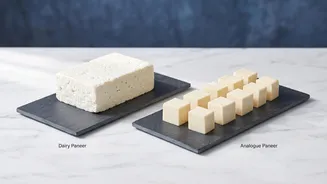
Analogue paneer is a substitute designed to mimic the texture, appearance, and cooking properties of traditional paneer. Instead of being made by coagulating fresh milk, these products use alternative ingredients. The most common substitutes for milk fat and milk protein are vegetable oils, fats, and various plant proteins. While these products are not illegal, the issue arises when they are passed off as the real thing. FSSAI's existing rules already define paneer as a product obtained from milk. The new proposal aims to close a loophole that allowed cheese analogues, in particular, to be sold as paneer, creating confusion for shoppers and diners.
The Impact on Consumers and Businesses
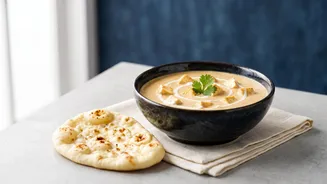
For consumers, the proposed change promises greater clarity. When you buy a block labelled 'paneer' or order a paneer tikka, you should be confident you are getting a milk-based product. The FSSAI's regulations would also require food businesses like hotels, restaurants, and caterers to be upfront about their use of dairy analogues, likely requiring clear declarations on menus. For manufacturers of plant-based and analogue products, this represents a significant challenge. They will need to rebrand and relabel their products, finding new terminology that accurately describes their food without using the protected term 'paneer'. This debate mirrors global conversations around terms like 'oat milk' or 'veggie burger', highlighting the tension between food innovation and traditional definitions.